Preserving America’s Jazz Musical Legacy
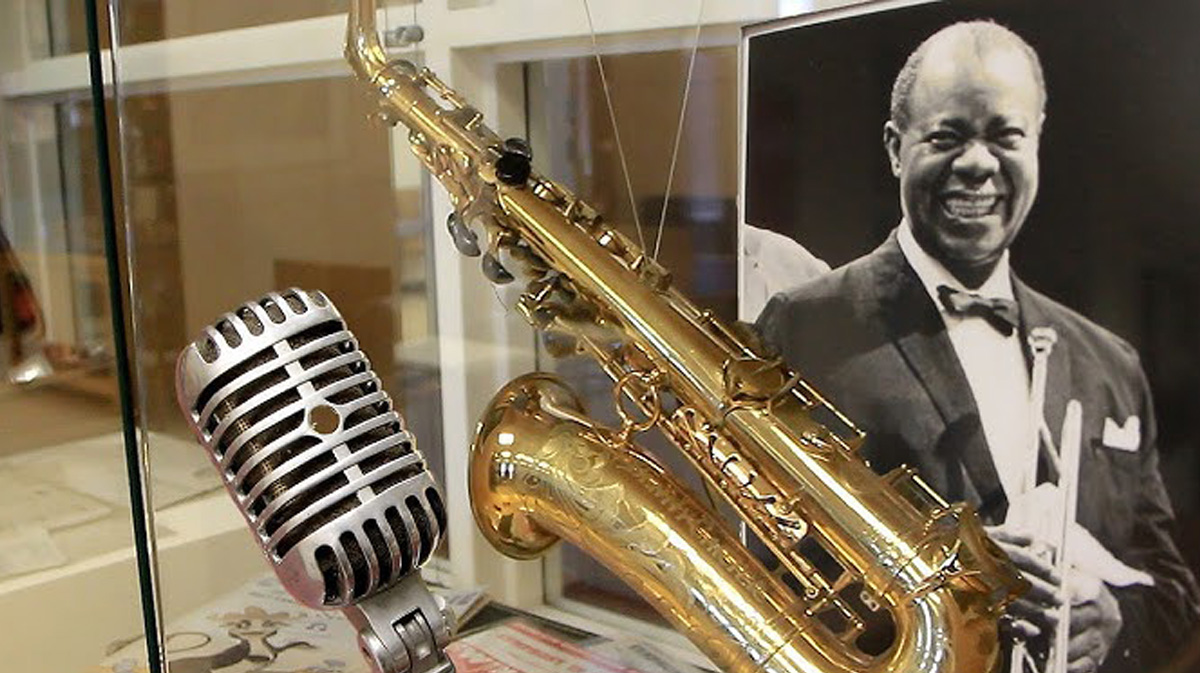
The Institute of Jazz Studies at Rutgers University houses one of the most extensive and historically significant jazz collections in the world. Located in Newark, New Jersey, it serves as a vital resource for scholars, musicians, and enthusiasts seeking to explore the rich history of jazz. Its holdings span decades of musical evolution, offering insight into the development of one of America’s most influential art forms.
Established in 1952 by jazz scholar Marshall Stearns, the collection began as a private archive dedicated to preserving jazz recordings, documents, and memorabilia. Stearns recognized early on that jazz, as a uniquely American art form, deserved serious academic study and preservation. His vision laid the foundation for what would become a globally respected institution.
In 1966, the Institute of Jazz Studies found a permanent home at Rutgers University. This move provided the resources and institutional support necessary for the collection to grow significantly. Over time, it expanded to include hundreds of thousands of recordings, photographs, manuscripts, and rare artifacts.
One of the most remarkable aspects of the collection is its vast archive of sound recordings. These include rare 78 rpm records, vinyl albums, CDs, and digital formats, documenting the evolution of jazz from its early roots to contemporary expressions. Researchers can trace stylistic shifts and innovations through these recordings, gaining a deeper understanding of the genre’s progression.
The Institute also houses an impressive array of personal papers and manuscripts from legendary musicians. Collections related to figures like Duke Ellington and Mary Lou Williams provide invaluable insight into their creative processes. These materials often include handwritten scores, correspondence, and unpublished works.
Photographic archives are another cornerstone of the collection. Thousands of images capture iconic moments in jazz history, from live performances to candid behind-the-scenes scenes. These photographs not only document the musicians themselves but also the cultural environments in which jazz flourished.
Beyond physical materials, the Institute plays an active role in promoting jazz scholarship and education. It hosts lectures, exhibitions, and public programs that engage both academic audiences and the general public. These initiatives help ensure that jazz remains a living, evolving tradition rather than a static historical artifact.
The collection is particularly valuable for students and researchers pursuing studies in music history, cultural studies, and African American history. Jazz is deeply intertwined with broader social and political movements, and the archives provide context for understanding these connections. As a result, the Institute serves as a multidisciplinary research hub.
Digitization efforts have further expanded access to the collection. By converting recordings and documents into digital formats, the Institute allows a global audience to engage with its resources. This modernization ensures that the collection remains relevant in an increasingly digital world.
The Institute of Jazz Studies also collaborates with other cultural and academic institutions. These partnerships facilitate exhibitions, research projects, and educational initiatives that extend the reach of the collection. Such collaborations reinforce its role as a central node in the global jazz community.
Importantly, the collection preserves not only the music but also the stories of the people behind it. Oral histories, interviews, and personal documents provide a human dimension to the archive. These narratives help bring the history of jazz to life, making it more accessible and meaningful.
Ultimately, the Institute of Jazz Studies at Rutgers University stands as a testament to the enduring legacy of jazz. By preserving, studying, and sharing this rich cultural heritage, it ensures that future generations can continue to learn from and be inspired by the music and its creators.