Newark Decides Its Future
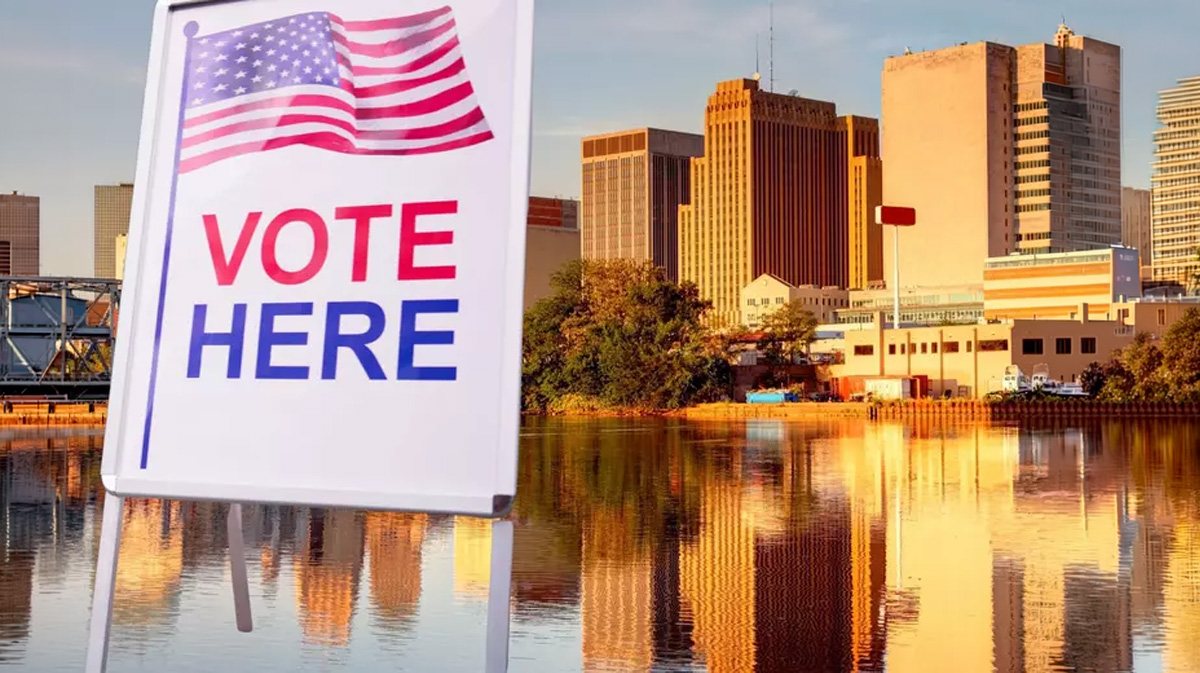
Tomorrow’s municipal election in Newark is far more than a routine political event. It is a defining moment that will shape the city’s direction for years to come. Voters are not simply choosing candidates; they are deciding what kind of Newark they want to become. The outcome will influence housing, public safety, economic development, education, and the overall vision for one of America’s most historically significant Black cities.
At the center of this election stands Ras Baraka, a leader whose political identity has long been tied to grassroots activism, education, and community empowerment. Since first taking office in 2014, Baraka has positioned himself as a mayor deeply connected to Newark’s neighborhoods and cultural history. His leadership style has emphasized investment in residents rather than outside interests, making tomorrow’s vote a referendum on that approach.
Supporters of Baraka argue that his administration has helped stabilize and reimagine Newark during a critical period of transition. The city has seen increased development, expanded cultural programming, and greater national attention while maintaining a focus on local identity. Many residents believe his leadership has protected Newark from becoming disconnected from the communities that built it.
This election is also important because Newark continues to face serious challenges that require experienced leadership. Issues such as affordable housing, public safety, youth opportunity, and economic inequality remain central concerns for many families. For Baraka supporters, continuity matters. They see his line as the most prepared to continue addressing these complex issues while maintaining accountability to longtime residents.
The significance of this election extends beyond Newark itself. As New Jersey’s largest city, Newark often serves as a political and cultural bellwether for the state. Decisions made here can influence statewide conversations around education, policing, development, and racial equity. A strong showing for Baraka’s line would signal continued support for progressive urban leadership rooted in community engagement.
Baraka’s political story is deeply intertwined with Newark’s identity. The son of legendary poet and activist Amiri Baraka, he emerged from Newark’s activist tradition and built his career as an educator and principal before entering city politics. That background has helped him maintain credibility among residents who value leaders with authentic ties to the city’s struggles and aspirations.
Tomorrow’s election is also about protecting political representation in communities that have historically fought to have their voices heard. Newark has long been a center of Black political power, and many voters see participation in municipal elections as essential to preserving that legacy. Low turnout can shift the future of the city into the hands of a small minority, making voter participation especially important.
Another reason this election matters is the connection between the mayor’s office and the city council. Newark voters will also select council members whose decisions directly affect local policy and neighborhood resources. Supporting Baraka’s line means supporting a broader governing coalition that many residents believe can work together effectively rather than operate through division and gridlock.
Critics and challengers have attempted to position themselves as alternatives, but Baraka enters the election with significant visibility and organizational support. Reports leading into the election have noted that he remains the dominant figure in Newark politics, with opponents struggling to match his citywide recognition and political infrastructure.
For many supporters, Baraka represents more than politics. He symbolizes a vision of Newark centered on culture, activism, and self-determination. His administration has consistently highlighted arts, youth engagement, and public dialogue as essential parts of city life. That emphasis has resonated with residents who believe Newark’s future should be shaped by the people who live there rather than outside political or corporate interests.
The urgency surrounding tomorrow’s election is heightened by the broader national climate. Across the country, cities are debating questions about economic inequality, public investment, and democratic participation. Newark’s election becomes part of that larger story. Voters are being asked whether they want leadership that prioritizes grassroots connection and local accountability or a shift in direction at a pivotal moment.
Ultimately, tomorrow’s election is about the future of Newark and the power of its residents to shape that future. Supporting Ras Baraka’s line means supporting continuity, community-centered leadership, and a vision rooted in Newark’s history and resilience. In a city with such deep cultural and political significance, every vote carries weight, and tomorrow’s results will help define Newark’s next chapter.