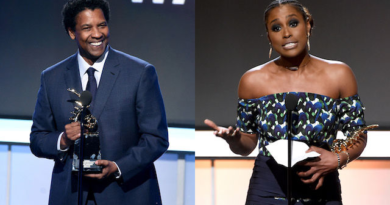
Nia DaCosta: Redefining Modern Filmmaking

Nia DaCosta is one of the most compelling voices in contemporary cinema, known for her ability to blend genre storytelling with sharp social insight. As a filmmaker, she has consistently demonstrated a fearless approach to narrative, tackling complex themes around race, identity, power, and trauma while working within popular cinematic forms. Her work signals a new era of Hollywood storytelling—one that is bold, inclusive, and intellectually rigorous.
Born in Brooklyn, New York, DaCosta grew up immersed in the cultural diversity and creative energy of the city. That environment shaped her worldview and artistic sensibility, instilling in her an awareness of how personal stories intersect with larger social realities. From an early age, she gravitated toward visual storytelling as a means of expression.
DaCosta studied film at New York University’s Tisch School of the Arts, where she honed her craft and developed her distinctive voice. During her time at NYU, she explored themes of alienation, intimacy, and social tension—ideas that would later become central to her professional work. Her education provided both technical grounding and creative freedom.
Her feature film debut, Little Woods (2018), marked her arrival as a director to watch. The film, a quiet and emotionally grounded drama, follows two sisters struggling to survive on the economic margins of North Dakota. Praised for its restraint and empathy, Little Woods showcased DaCosta’s ability to draw powerful performances and tell intimate stories with social resonance.
DaCosta gained widespread recognition with Candyman (2021), a bold reimagining of the classic horror film. As the first Black woman to direct a studio film with a budget over $100 million, she made history while delivering a film that reframed horror as a vehicle for exploring systemic racism and collective memory. The film was both a critical and commercial success.
What distinguishes DaCosta’s work is her mastery of genre as a storytelling tool rather than a constraint. She uses horror, drama, and spectacle to engage audiences emotionally while challenging them intellectually. Her films invite viewers to confront uncomfortable truths without sacrificing entertainment value.
In 2023, DaCosta further cemented her place in Hollywood by directing The Marvels, becoming the youngest filmmaker and one of the few women of color to helm a Marvel Studios project. The film placed her at the center of one of the industry’s most powerful franchises, demonstrating her ability to navigate large-scale productions while maintaining her creative voice.
Despite working within blockbuster systems, DaCosta remains committed to storytelling that centers marginalized perspectives. She has spoken openly about the importance of representation behind the camera and the responsibility filmmakers have to challenge dominant narratives. Her career reflects a careful balance between artistic integrity and mainstream success.
DaCosta’s visual style is marked by deliberate pacing, strong composition, and a focus on character-driven storytelling. She often uses silence, framing, and atmosphere to heighten emotional impact, allowing moments to linger rather than rushing toward resolution. This approach gives her films a sense of depth and emotional authenticity.
Beyond her directing work, DaCosta has become an influential figure in conversations about diversity and equity in film. Her success challenges long-standing industry norms and opens doors for a new generation of filmmakers who see themselves reflected in her achievements.
As her career continues to evolve, DaCosta remains a filmmaker unafraid to take risks. Whether working on intimate dramas or massive studio films, she approaches each project with intention and clarity of vision. Her work suggests that meaningful storytelling and commercial viability do not have to exist in opposition.
Nia DaCosta represents the future of cinema—one where stories are inclusive, genres are reimagined, and filmmakers are empowered to tell the truth as they see it. With each project, she continues to redefine what is possible on screen and who gets to shape the narratives we consume.