Women Shaping Burkina Faso’s Future
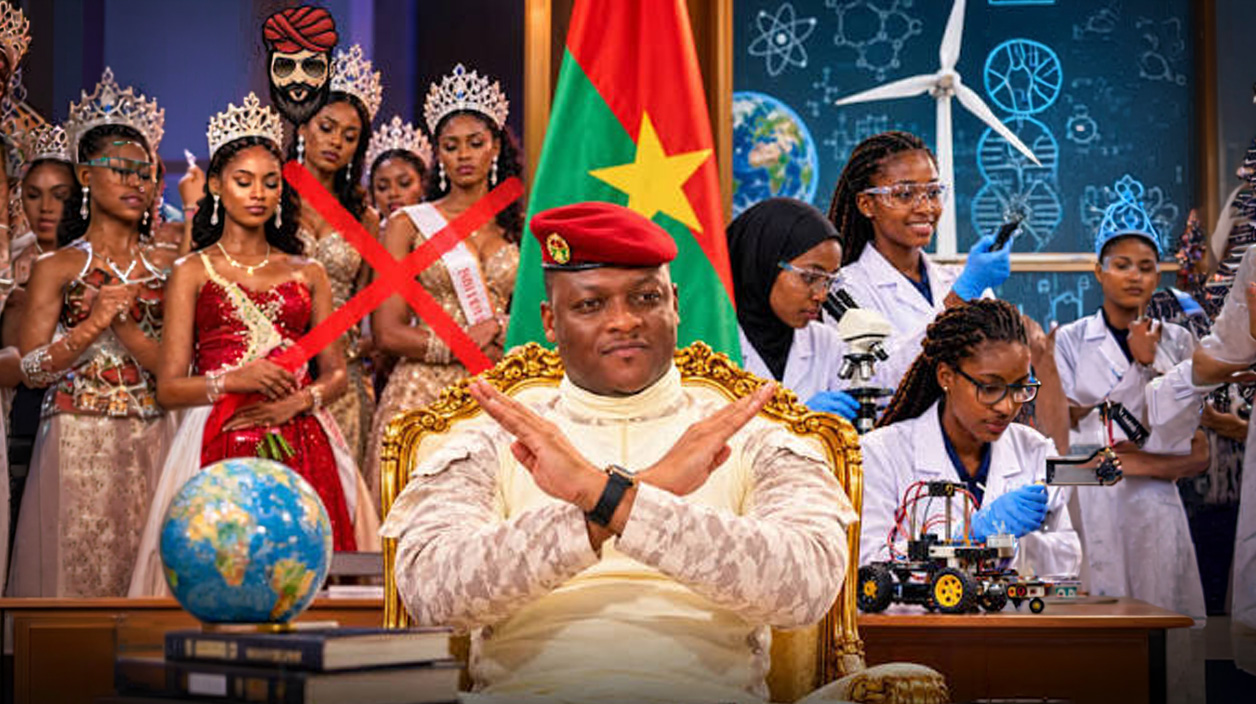
Hakili Mousso is an initiative in Burkina Faso that celebrates women’s intelligence, potential, and contributions to the country’s development. Its name evokes ideas associated with thought, intelligence, and womanhood, reflecting a broader vision of recognizing women’s abilities and creating opportunities for their advancement. The initiative highlights the importance of investing in young women as future leaders, professionals, and innovators.
Burkina Faso, a landlocked country in West Africa, possesses a rich cultural heritage shaped by numerous ethnic communities, including the Mossi, Fulani, Bobo, and Lobi peoples. Women have long played essential roles in agriculture, commerce, family life, artistic expression, and the preservation of cultural traditions. Their contributions sustain communities and strengthen the national economy, even when their leadership receives limited public recognition.
Despite their achievements, women and girls in Burkina Faso face challenges involving access to education, economic opportunities, healthcare, and leadership positions. These obstacles can be particularly difficult for those living in rural communities, where educational resources and employment opportunities may be limited. Initiatives such as Hakili Mousso seek to challenge these barriers by recognizing female talent and encouraging greater participation in education and professional life.
In 2026, Hakili Mousso gained national attention through a scientific excellence competition designed to encourage young women to pursue careers in science and technology. The initiative was launched under the leadership of Burkina Faso’s president, Captain Ibrahim Traoré. Its central message is that scientific achievement should not be limited by gender and that the country must recognize and cultivate the intellectual abilities of its young women.
The inaugural competition brought together 84 young women who had completed their scientific baccalaureate examinations in 2026. Participants competed in mathematics, physics, and chemistry after a period of preparation in Ouagadougou, the nation’s capital. Their participation demonstrated the academic potential of young women from across Burkina Faso and offered a national platform for celebrating their accomplishments.
Hakili Mousso also challenges traditional stereotypes that have discouraged girls from pursuing mathematics, engineering, technology, and other scientific disciplines. When young women see science presented as an opportunity rather than an obstacle, they may become more confident in their abilities and ambitions. Public recognition of female achievement can also encourage families, teachers, and communities to support girls who wish to pursue demanding academic careers.
Beyond examinations, the initiative has emphasized exposure to professional environments and opportunities to learn from women working in technical fields. Such experiences help students understand how their education can lead to careers in telecommunications, engineering, research, and technological innovation. They also allow aspiring scientists to envision themselves in positions that may previously have seemed inaccessible.
The program’s inaugural awards ceremony took place on September 19, 2026, recognizing 15 outstanding candidates across mathematics, physics, and chemistry. Prizes included financial awards, computers, motorcycles, scholarships, and assistance with university-related expenses. Teachers who contributed to the students’ preparation were also recognized, acknowledging the important role educators play in nurturing talent and helping young people achieve their potential.
The broader significance of Hakili Mousso extends to Burkina Faso’s economic and technological future. Countries seeking to strengthen their independence and improve living standards need skilled professionals capable of advancing healthcare, communications, agriculture, scientific research, and industry. By encouraging women to enter these fields, Burkina Faso can expand its talent pool and ensure that more of its population participates in national development.
However, a competition by itself cannot eliminate the obstacles facing girls and women. Long-term progress requires accessible schools, qualified teachers, financial assistance, mentorship, and meaningful employment opportunities. Young women who receive recognition must also have the resources to continue their education and build successful careers. The initiative’s lasting value will depend on how effectively it supports these opportunities beyond the awards ceremony.
Ultimately, Hakili Mousso represents an important statement about the value of women’s intelligence and the role of education in shaping Burkina Faso’s future. By celebrating young women who excel in science, it challenges outdated assumptions and encourages a new generation to pursue ambitious goals. Its greatest achievement may be inspiring girls across the country to recognize their own potential and understand that their ideas, discoveries, and leadership have a place in building the nation.