Colonial Legacies and Economic Dependency
The relationship between France and many African nations is long, complicated, and deeply rooted in the history of colonialism. When people say that France is “exploiting” African countries to the tune of $500 billion, they are often referring to a broader critique of historical extraction, economic dependency, and modern financial arrangements that some analysts argue continue to favor French interests. To understand this claim, it is essential to examine the colonial past, post-independence monetary systems, corporate involvement, and the debate among scholars and activists about the true scale and nature of economic imbalance.
France established vast colonial territories across West and Central Africa in the nineteenth and early twentieth centuries. Countries such as Senegal, Mali, Ivory Coast, and Cameroon were integrated into what became known as French West Africa and French Equatorial Africa. During colonial rule, raw materials—including gold, cocoa, timber, and uranium—were extracted and shipped to Europe. Infrastructure like railways and ports was often built primarily to facilitate export rather than local development, shaping economic patterns that would persist long after independence.
Formal independence began in 1960 for many of these countries, yet critics argue that economic independence was more limited. One central issue has been the CFA franc system, a shared currency arrangement originally tied to the French treasury. The CFA franc was guaranteed by France and pegged first to the French franc and later to the euro. Supporters argue that this system provided monetary stability and low inflation. Critics, however, claim it restricted monetary sovereignty and required member countries to deposit significant foreign reserves in accounts overseen by France, limiting domestic policy flexibility.
The CFA franc is used by countries including Benin, Burkina Faso, Niger, and Chad. For decades, these arrangements fueled debates about whether France maintained disproportionate influence over the financial systems of its former colonies. Some African economists have argued that the inability to devalue currency or independently adjust monetary policy limited industrial growth and reinforced dependence on exporting raw materials.
Beyond currency, French multinational corporations have played a significant role in sectors such as energy, mining, telecommunications, and infrastructure. For example, TotalEnergies has maintained investments in oil and gas projects across the continent. Uranium mining in Niger, long associated with French energy security, has frequently been cited by critics as a symbol of unequal exchange. France relies heavily on nuclear power, and uranium sourced from West Africa has historically contributed to fueling that system.
The claim that France extracts or benefits from Africa to the tune of $500 billion is controversial and not universally accepted. Some activists and political commentators use large cumulative figures to describe the long-term value of natural resources, favorable contracts, capital flight, and profit repatriation over decades. However, precise calculations vary widely, and many mainstream economic studies do not confirm a single agreed-upon figure of that magnitude. Instead, they emphasize structural trade imbalances, historical legacies, and governance challenges.
It is also important to note that African leaders and governments have agency in negotiating contracts and managing resources. Corruption, weak institutions, and political instability within certain states have contributed to uneven development outcomes. While external influence has undeniably shaped economic patterns, internal governance factors also play a critical role in determining how national wealth is distributed and invested.
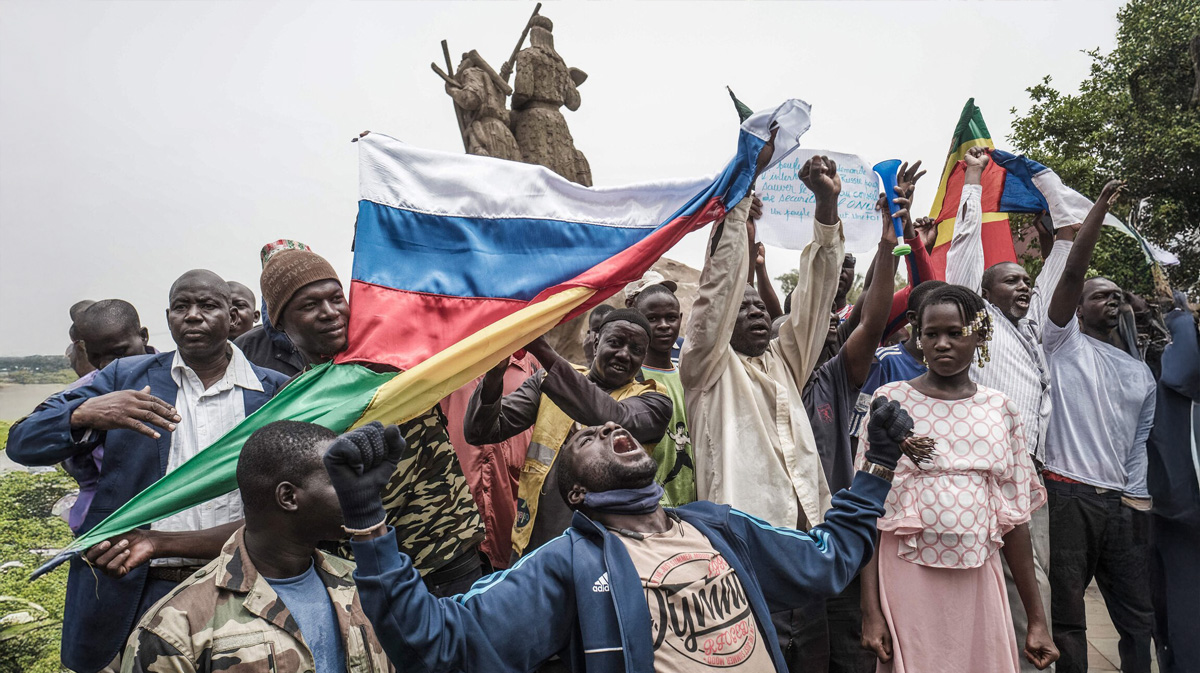
In recent years, anti-French sentiment has grown in parts of West Africa. Political shifts in countries such as Mali and Burkina Faso have included calls to reassess military cooperation and economic ties with Paris. Protesters have accused France of maintaining neocolonial influence through security agreements, economic leverage, and diplomatic pressure.
France, for its part, has argued that its partnerships are mutually beneficial and that it provides security assistance, development aid, and investment. French officials have emphasized reforms to the CFA franc system, including steps to reduce the requirement that foreign reserves be held in the French treasury. Some West African states have discussed transitioning to a new regional currency, the Eco, as part of broader efforts to assert greater financial autonomy.
The broader issue of economic exploitation in Africa is not limited to France alone. Global powers—including China, the United States, and various European nations—have significant investments and trade relationships across the continent. The debate over exploitation versus partnership often centers on whether trade terms, debt arrangements, and resource contracts enable sustainable development or perpetuate dependency.
Historical extraction during colonial rule unquestionably transferred enormous wealth from Africa to Europe. Scholars of colonial economics document how forced labor, taxation, and resource extraction enriched imperial powers. The long-term impact of those policies continues to shape infrastructure, trade routes, and industrial capacity today. However, assigning a precise contemporary dollar figure—such as $500 billion—to ongoing exploitation requires careful economic modeling and remains contested.
Civil society organizations across Africa have increasingly demanded transparency in resource contracts and stronger regional integration. Pan-African movements argue that economic sovereignty requires diversifying trade partners, investing in manufacturing, and strengthening local institutions. These efforts seek to break patterns established during colonial rule and reinforced by global commodity markets.
Ultimately, discussions about France and Africa involve questions of power, sovereignty, and historical accountability. There is broad agreement that colonialism had profound and damaging economic effects. There is less agreement on the exact scale of current financial flows or whether they constitute deliberate exploitation or complex interdependence shaped by global capitalism.
A balanced analysis recognizes both the enduring legacies of colonial structures and the evolving nature of international partnerships. Claims of $500 billion in exploitation reflect deep frustrations with inequality and perceived neocolonial dynamics. At the same time, meaningful reform depends on transparent data, accountable governance, and equitable economic agreements that allow African nations to fully control and benefit from their own resources.