The Story of the Buffalo Soldiers
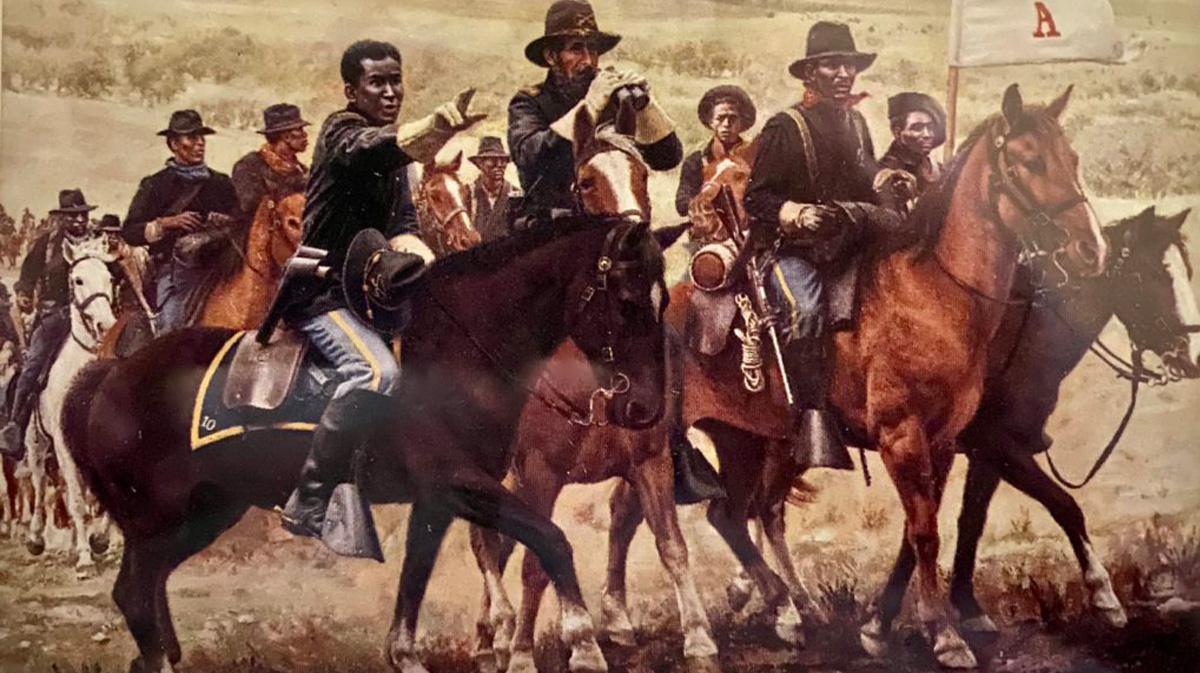
The history of the Buffalo Soldiers is closely tied to the United States’ expansion across the western frontier during the late nineteenth century. These soldiers were African American men who served in segregated units of the U.S. Army at a time when the nation was pushing deeper into lands already inhabited by Indigenous nations. Their service represents a complex period in American history, as formerly enslaved men sought stability and opportunity in military life while the army carried out federal policies that often placed them in conflict with Native communities.
In 1866, Congress authorized the creation of several all-Black military units, including the 9th and 10th Cavalry and the 24th and 25th Infantry regiments. These units were formed during a period when the federal government was expanding its military presence across the West. The soldiers assigned to these regiments became an important part of that effort, helping to establish and maintain military control in territories that were rapidly changing.
The name “Buffalo Soldiers” was reportedly given to these troops by Indigenous people of the Plains. Some historians believe the nickname referred to the soldiers’ hair texture, which resembled the coat of a buffalo, while others believe it was a term of respect for their strength and endurance in battle. Regardless of its exact origin, the name eventually became widely associated with these regiments and remains a lasting part of their identity.
During the period known as the American Indian Wars, the U.S. Army fought numerous campaigns against Native nations who resisted losing their lands and autonomy. Buffalo Soldier regiments were often stationed at isolated forts in places such as Texas, Arizona, New Mexico, and the Great Plains. Their duties included patrolling large areas, protecting settlers and railroad workers, escorting travelers, and participating in military operations against Indigenous resistance.
Many of these assignments involved enforcing federal policies that aimed to relocate Native communities onto reservations. These policies were frequently implemented after broken treaties or increasing pressure from settlers moving westward. As a result, Buffalo Soldiers were often on the front lines of confrontations between the U.S. government and Native groups defending their homelands.
The 9th and 10th Cavalry became particularly active in the Southwest, where they took part in campaigns against Apache groups during the 1870s and 1880s. Some of these operations involved long pursuits across difficult desert landscapes, including efforts to track and capture the Apache leader Geronimo and his followers.
Beyond these campaigns, Buffalo Soldiers also carried out numerous scouting missions and military expeditions throughout the Plains region. Their tasks ranged from gathering intelligence to attempting to force the surrender of Native leaders who resisted relocation. These operations were often directed by commanding officers who depended heavily on the soldiers’ discipline and stamina.
Despite their dedication, Buffalo Soldiers faced significant challenges. They frequently served in harsh environments with limited supplies and outdated equipment, enduring long patrols in extreme heat, cold, and rugged terrain. Even within the army, they encountered discrimination, as most of their commanding officers were white and opportunities for promotion were limited.
For many of these soldiers, however, military service represented one of the few pathways to economic security and respect in the decades following the end of slavery. Their presence became a significant part of the U.S. military presence in the West, with African American troops making up a substantial portion of the cavalry forces stationed in frontier territories.
The legacy of the Buffalo Soldiers remains complicated. They broke racial barriers and demonstrated courage and resilience within the U.S. Army, yet their service also supported government policies that contributed to the displacement of Indigenous nations. Understanding their history requires recognizing both aspects of their story and the difficult realities of the era in which they lived.