Black Theater Renaissance in New Jersey
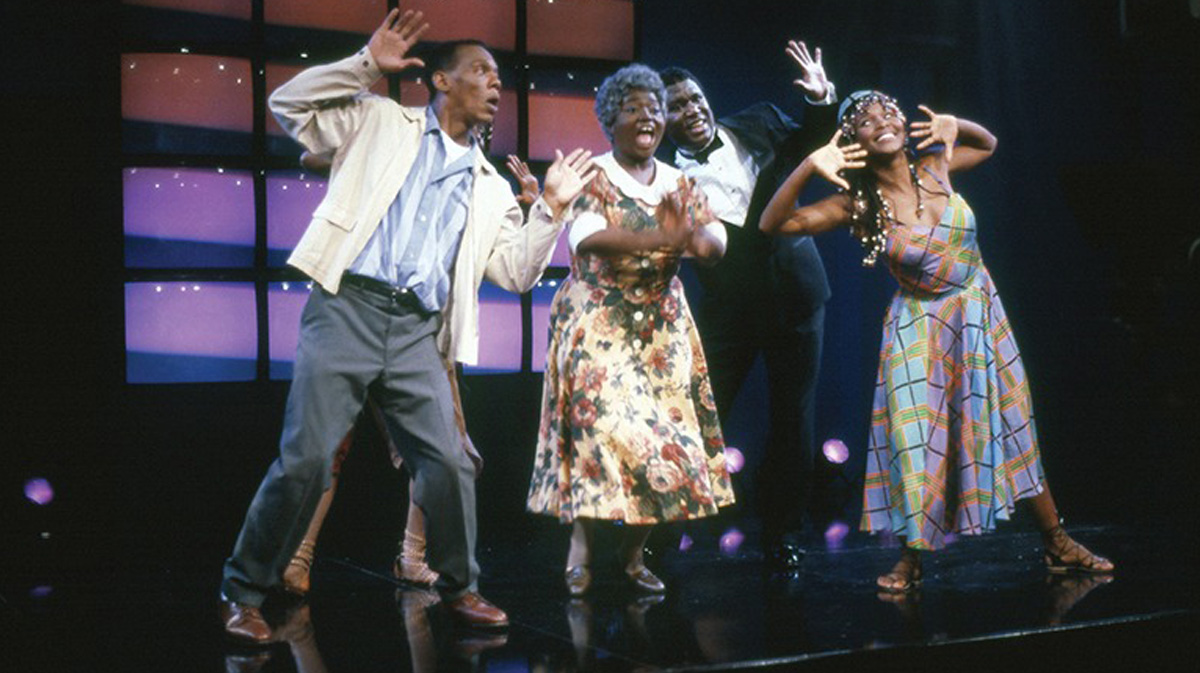
Founded in 1978, Crossroads Theatre became the first major Black theatrical institution in New Jersey that featured plays rooted in the Black experience. Based in New Brunswick, Crossroads became New Jersey’s Black off-Broadway theater filled with plays that rivaled New York’s Black theaters and, at times, Broadway. New Jersey’s residents flocked to see the productions in theater groups from churches, schools, organizations, and neighborhoods. The high-quality productions also became the destination of white theater patrons.
“At that time, nobody was doing Black theater in New Jersey,” said Crossroads Co-founder Ricardo Khan, who founded the theater with L. Kenneth Richardson. “The number of shows we were doing and our constant season of plays allowed our audience to build a relationship with us. It was not based on just one play. Crossroads became a part of their lives. After 20 years, in 1999 Crossroads got the Tony Award for Outstanding Regional Theater in the United States.”
At Crossroads, Khan produced and directed plays that not only went to Broadway, but toured globally. The Colored Museum and Spunk, both by George C. Wolfe; Black Eagles by Leslie Lee; The Love Space Demands by Ntozake Shange; South Africa’s Sheila’s Day by Mbongeni Ngema; and Two Ha Ha’s and a Homeboy written by and starring Ruby Dee, Ossie Davis and Guy Davis. He was the originating producer of Paul Robeson starring Avery Brooks, which went from Crossroads to Broadway in 1988, and the Tony Award-nominated Broadway musical It Ain’t Nothin’ But the Blues. He was associate producer for a number of Crossroads productions at the Public Theater-NYC for the late Joseph Papp.
“In early days we had actors like CCH Pounder, Earl Hyman, Arthur French, and actress/playwright Anna Deavere Smith. They came not because they were stars, or that they needed the money; they came because we were doing the work, and we were doing it well. We had a reputation for high standards. Not just from what you see on stage, but how you get there,” said Khan, a graduate of Rutgers University’s Mason Gross School of the Arts. “Actress Denise Nicholas wrote her first play at Crossroads. It was Buses, about
Crossroads’ mission is also to celebrate the African Diaspora. In addition to touring plays through the Caribbean, Crossroads was known for plays on apartheid. From May 19–June 14, the acclaimed South African play, Sizwe Banzi is Dead, will be at the theater. “We were doing South African work with South African artists during apartheid. Many of them were in exile. South Africa was very much a part of Crossroads,” Kahn said, noting the sudden passing of Mbongeni Ngema—a brilliant performer, composer, director, writer, and activist. He was known worldwide for how his work in theater played a key role in South Africa’s resistance movement during the days of Apartheid. He was most popularly known for Sarafina and Woza Albert. We remember Mbongeni for Sheila’s Day, first developed at Crossroads before its world premiere here in 1988. It went on to perform all over the world, moving hearts and changing lives.”
For many years, Khan left Crossroads to work as an independent cultural director and producer. During this period, his credits included works at the Negro Ensemble Company, Manhattan Theater Club, Lincoln Center, the Signature Theater, and the world famous Apollo Theater. He was also the producer and director of the 2016 acclaimed opening gala ceremonies for the Smithsonian’s new National Museum of African American History and Culture in Washington, DC, featuring Ava Duvernay, Savion Glover, Oprah Winfrey, and Stevie Wonder. During the COVID crisis in 2020, Khan returned to Crossroads as artistic director and created virtual programming.
“There are historic collaborations across art forms at Crossroads,” said Managing Director Ezra Ezzard. “Ntozake Shange was collaborating with dancer Dianne McIntyre. Gregory Hines was there the same time George Wolf was there. There were so many artists across many different disciplines all in one room. I’m hoping as we go forward to create that same type of energy.”
Ezzard brings corporate media and performing arts experience as a dancer and producer. He worked first at BBC Studios, then BritBox/BBC Studios where he led partnerships; he founded ARTIFICATION, a media company that distributes documentaries and as producer at The Apollo Stages at The Victoria. He is a graduate of The Alvin Ailey American Dance Theater/Fordham University BFA program, and serves on the board of directors at the Harlem School of the Arts, at The Apollo Stages at The Victoria.
“I’m a nontraditional thinker, a nontraditional executive. I have worked in media; I think the application and commercial models bode well for the future of the theater,” he said. “Crossroads has been in existence longer than I’ve been alive. Those younger than I am need to know the importance of its history and legacy—understanding we are standing on the shoulders of those who came before Rick Khan and Kenneth Richardson and all the artists they supported. I think we have a really great opportunity to do some wonderful things. It was special seeing the way young people responded to the theatre; seeing school groups come in was one of the best things ever. It crystallizes the reason you do this work. What we are doing is having this multigenerational conversation around our stories.”
From April 7-12, Crossroads will showcase its popular “Genesis Festival of New Voices and New Plays.” Under the direction of dramaturg Sydne Mahone, plays will be presented by new storytellers from the African Diaspora.
A revival of Crumbs from the Table of Joy by Pulitzer Prize-winning Playwright Lynn Nottage was staged there in October to kick off its 47th season. “It was amazing to see high school students be so engaged in the work—the many layers of these complex characters set in 1950s Brooklyn. It’s so special to witness that,” Ezzard said. “Opening night was beautiful. Lynn Nottage attended, people were dressed to the nines, coming to Crossroads just like the old days I’ve heard about and seen in the photos.
“It was really special for me to see the commitment from folks attending Crossroads, like our seniors who have been coming to Crossroads for 45 years,” said Ezzard. “There were members of the NAACP chapters, the Divine 9, and churches—we have some wonderful, supportive audiences. I’m looking forward to bringing in even more churches to a production. You look at the significance of the Black church within our community; I liken Crossroads to being a place where creativity amplifies who we are spiritually.”
Crossroads’ mission is also to celebrate the African Diaspora. In addition to touring plays through the Caribbean, Crossroads was known for plays on apartheid. From May 19–June 14, the acclaimed South African play, Sizwe Banzi is Dead, will be at the theater. “We were doing South African work with South African artists during apartheid. Many of them were in exile. South Africa was very much a part of Crossroads,” Kahn said, noting the sudden passing of Mbongeni Ngema—a brilliant performer, composer, director, writer, and activist. He was known worldwide for how his work in theater played a key role in South Africa’s resistance movement during the days of Apartheid. He was most popularly known for Sarafina and Woza Albert. We remember Mbongeni for Sheila’s Day, first developed at Crossroads before its world premiere here in 1988. It went on to perform all over the world, moving hearts and changing lives.”
For many years, Khan left Crossroads to work as an independent cultural director and producer. During this period, his credits included works at the Negro Ensemble Company, Manhattan Theater Club, Lincoln Center, the Signature Theater, and the world famous Apollo Theater. He was also the producer and director of the 2016 acclaimed opening gala ceremonies for the Smithsonian’s new National Museum of African American History and Culture in Washington, DC, featuring Ava Duvernay, Savion Glover, Oprah Winfrey, and Stevie Wonder. During the COVID crisis in 2020, Khan returned to Crossroads as artistic director and created virtual programming.
“There are historic collaborations across art forms at Crossroads,” said Managing Director Ezra Ezzard. “Ntozake Shange was collaborating with dancer Dianne McIntyre. Gregory Hines was there the same time George Wolf was there. There were so many artists across many different disciplines all in one room. I’m hoping as we go forward to create that same type of energy.”
Ezzard brings corporate media and performing arts experience as a dancer and producer. He worked first at BBC Studios, then BritBox/BBC Studios where he led partnerships; he founded ARTIFICATION, a media company that distributes documentaries and as producer at The Apollo Stages at The Victoria. He is a graduate of The Alvin Ailey American Dance Theater/Fordham University BFA program, and serves on the board of directors at the Harlem School of the Arts, at The Apollo Stages at The Victoria.
“I’m a nontraditional thinker, a nontraditional executive. I have worked in media; I think the application and commercial models bode well for the future of the theater,” he said. “Crossroads has been in existence longer than I’ve been alive. Those younger than I am need to know the importance of its history and legacy—understanding we are standing on the shoulders of those who came before Rick Khan and Kenneth Richardson and all the artists they supported. I think we have a really great opportunity to do some wonderful things. It was special seeing the way young people responded to the theatre; seeing school groups come in was one of the best things ever. It crystallizes the reason you do this work. What we are doing is having this multigenerational conversation around our stories.”
From April 7-12, Crossroads will showcase its popular “Genesis Festival of New Voices and New Plays.” Under the direction of dramaturg Sydne Mahone, plays will be presented by new storytellers from the African Diaspora.
A revival of Crumbs from the Table of Joy by Pulitzer Prize-winning Playwright Lynn Nottage was staged there in October to kick off its 47th season. “It was amazing to see high school students be so engaged in the work—the many layers of these complex characters set in 1950s Brooklyn. It’s so special to witness that,” Ezzard said. “Opening night was beautiful. Lynn Nottage attended, people were dressed to the nines, coming to Crossroads just like the old days I’ve heard about and seen in the photos.
“It was really special for me to see the commitment from folks attending Crossroads, like our seniors who have been coming to Crossroads for 45 years,” said Ezzard. “There were members of the NAACP chapters, the Divine 9, and churches—we have some wonderful, supportive audiences. I’m looking forward to bringing in even more churches to a production. You look at the significance of the Black church within our community; I liken Crossroads to being a place where creativity amplifies who we are spiritually.”