Bronx Builds Hip Hop Home
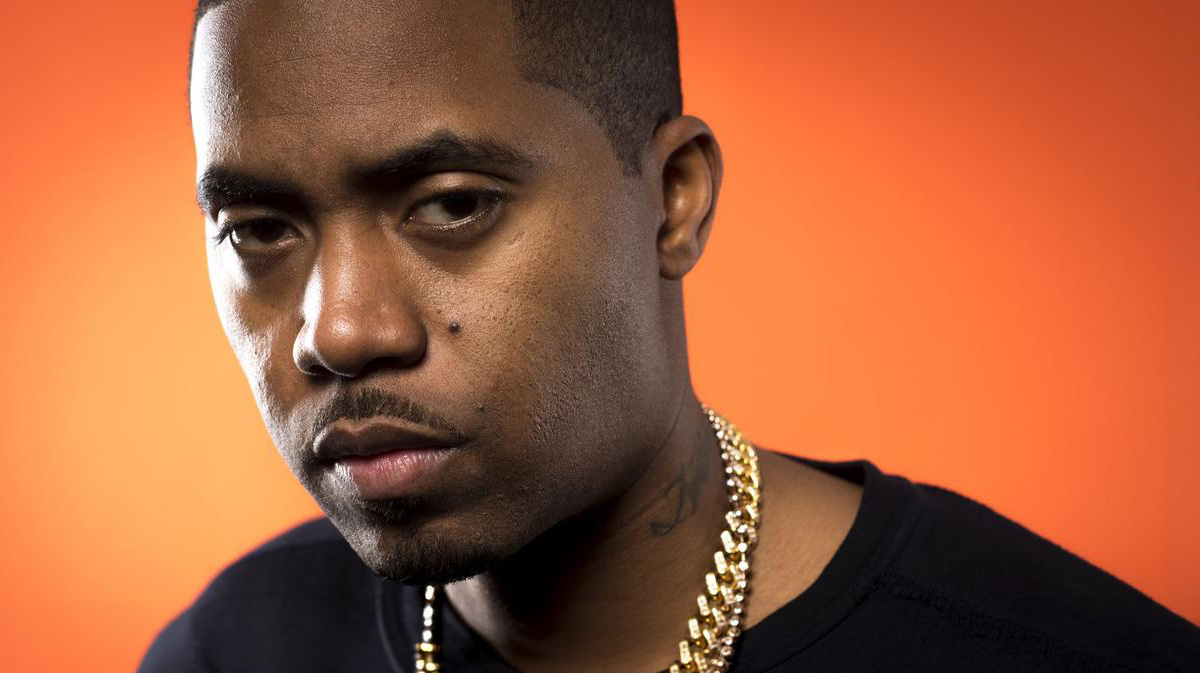
Nas’ latest move is about more than money; it’s about cementing hip-hop’s story in the borough where it was born. With a $2 million commitment alongside Resorts World New York City, he’s helping build a permanent home for the culture in the Bronx.
Long before press releases and gala stages, hip-hop began as a local survival language in the Bronx, crafted by young people who used turntables, breakbeats, and block parties to rewrite the rules of what music and community could be. That legacy has since grown into a global culture, shaping fashion, film, politics, business, and technology, yet its origins have often lived more in memory than in brick and mortar institutions. The announcement that The Hip Hop Museum will rise in the Bronx Point complex is an answer to a decades-long question: when will the culture that changed the world get a home worthy of its influence in the place where it started.
At the center of this new chapter is a combined $2 million donation from hip-hop icon Nas and Resorts World New York City, unveiled during the museum’s second annual benefit gala. The gift is more than a headline number; it’s a public signal that major corporate players and cultural legends are willing to invest in preserving hip-hop’s story on its own terms. For Resorts World, it extends a 15‑year pattern of backing cultural institutions across all five boroughs, while for Nas, it is another step in a long evolution from Queensbridge storyteller to architect of urban revitalization.
The Hip Hop Museum is being built at 585 Exterior Street, inside the Bronx Point complex, a mixed‑use development that blends affordable housing, public spaces, and cultural facilities. That address is more than a line on a blueprint; it situates the museum in a landscape designed for everyday life, not isolated from it. Visitors will not enter a glass box removed from reality, but a hub where families live, children play, and the energy of the Bronx moves through the same sidewalks the museum occupies.
From the start, the institution is being framed as a center for community and education as much as a showcase for artifacts. The vision is a place where the turntable sits beside the classroom, where the origin stories of DJs and emcees are taught not just as nostalgia but as case studies in innovation, resilience, and Black creativity. By dedicating itself to the preservation of hip-hop’s global legacy, the museum promises to connect local Bronx history to a worldwide movement that now touches every continent.
In the official announcement, Kevin Jones, chief legal and chief strategy officer at Resorts World New York City, framed hip-hop as a mirror of New York’s culture, from its birth in the Bronx to the rise of Queens’ own Nas. His words underscored a shift in how institutions talk about hip-hop: no longer as a fringe genre, but as a defining force of the city’s identity. Coming from a gaming and entertainment powerhouse, the statement reads as both respect and recognition that cultural credibility in New York now runs straight through hip-hop history.
This museum gift does not stand alone in Nas’ relationship with Resorts World and its parent company, Genting Americas. In 2024, AFROTECH™ reported that Nas had partnered with them on a $5 billion expansion plan in Queens, a project that has since grown to $5.5 billion and secured community advisory board approval in September 2025. That trajectory reveals a broader ambition: using large‑scale development, from casinos to cultural spaces, to reshape neighborhoods while putting hip-hop voices at the decision‑making table rather than outside the building knocking to be let in.
For Nas, the museum is not a side project to the casino; it’s a milestone in hip-hop’s journey from marginalized sound to institutional power. He has described the creation of this space as something the culture has needed for a long time, framing the museum as both a safeguard for history and a spark for the next generation. In his view, contributing alongside Resorts World is not just philanthropy but a way of helping to “bring this vision to life,” turning years of informal storytelling into a curated, intergenerational conversation.
Nas’ public statement makes the museum feel less like a monument and more like a living reminder. He speaks of it as a place that anchors where hip-hop came from while celebrating everything it continues to be, a dual focus that resists freezing the culture in its so‑called golden age. In that framing, every gallery, video clip, or archival photo becomes part of an ongoing narrative, inviting visitors to see themselves not as passive observers but as future chapters.
Behind the scenes, Rocky Bucano, founder and CEO of The Hip Hop Museum, is steering the institution’s capital campaign and public mission. He described the $2 million gift as a highlight of the gala and a decisive push toward opening the museum’s doors in 2026. For Bucano, Nas’ involvement is as symbolic as it is financial, a demonstration of “leading by example” that he hopes will inspire others to invest in preserving hip-hop’s global legacy and protecting its culture.
The museum’s capital campaign is moving with the urgency of a culture that has already given the world fifty years of history and refuses to see its earliest chapters lost. Each dollar committed, each public partnership announced, edges the project closer to its planned 2026 opening. When the doors finally swing open, the institution will not just debut as another museum, but as a long overdue archive for a genre that has too often been documented by outsiders rather than its own architects.
The choice of location also reframes the narrative around the Bronx itself. For generations, the borough has been shorthand in mainstream media for crisis—blackouts, burned‑out buildings, and budget cuts—while the creativity born from those conditions went on to generate billions for industries far beyond its borders. By embedding a world‑class cultural institution dedicated to hip-hop in the Bronx Point development, the city is scripting a different story: one where the borough is recognized as a source of genius worthy of sustained investment, not just a backdrop for grit.
The partnership between Nas, Resorts World, and The Hip Hop Museum offers a glimpse of a new blueprint for cultural institutions rooted in Black art forms. It pairs corporate capital with community‑driven leadership and positions a living artist—still evolving, still recording, still investing—as a central figure in how his culture will be archived. If successful, the model could influence how future museums, centers, and archives are built around Black music, making it standard for the people who created the culture to also own the narrative and the keys.
As the calendar moves toward 2026, the scaffolding rising at 585 Exterior Street carries a weight that can’t be measured only in dollars or square footage. It carries the weight of park jams, cracked vinyl, hand‑painted flyers, mixtapes sold out of trunks, and lyrics written in cramped apartments across the five boroughs. With Nas and Resorts World now formally on board, The Hip Hop Museum becomes more than a construction site — it becomes a promise that the culture that changed the world will have a permanent home in the borough that first gave it a beat.