Harvard Study Changed Black Music
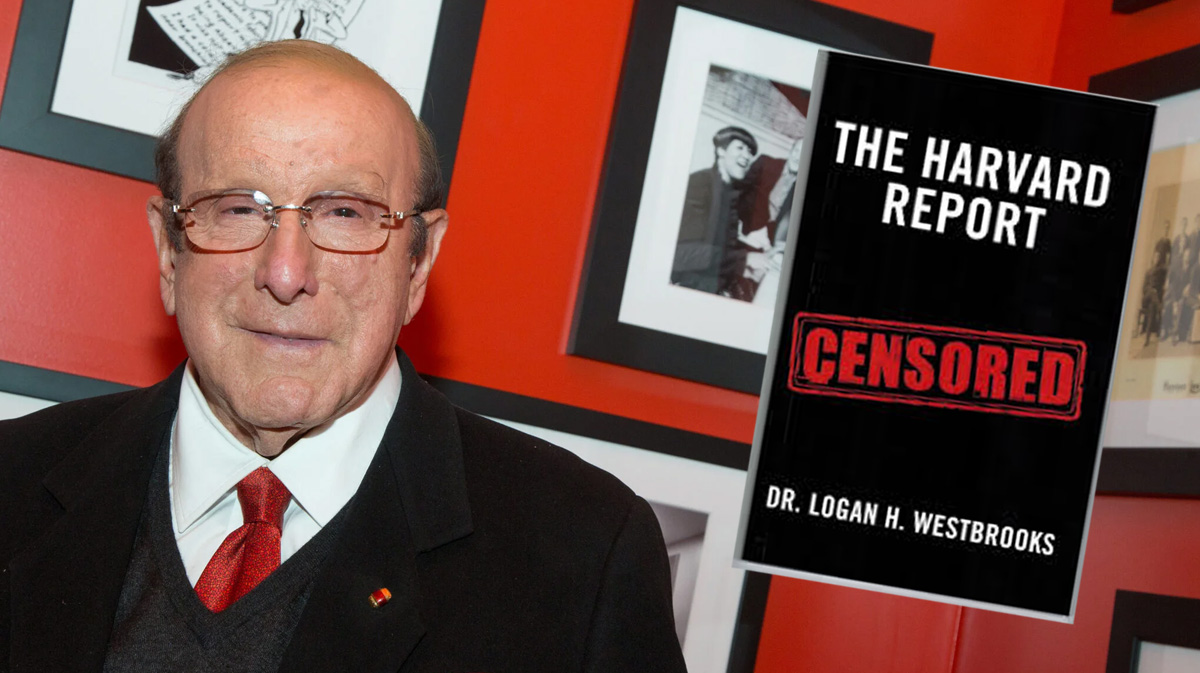
In the early 1970s, Black music had become one of the fastest-growing forces in the American recording industry. Soul, rhythm and blues, gospel, jazz, and emerging funk were attracting audiences that crossed racial, geographic, and generational boundaries. Yet despite the commercial success of many Black artists, the music industry remained overwhelmingly controlled by White-owned corporations. Record companies were beginning to recognize that Black music was not simply a niche market but a major driver of record sales.
During this period, Clive Davis, then president of CBS Records, sought to better understand the expanding market for soul music. Under his leadership, CBS commissioned a comprehensive study that became known as the Harvard Report. Conducted with researchers associated with Harvard Business School and developed in collaboration with CBS Black Music Marketing Director Logan H. Westbrooks, the study examined how Black music was being marketed and how its audience was evolving.
The report’s primary goal was to analyze the business environment surrounding soul music. Researchers examined record sales, radio programming, concert attendance, consumer demographics, and the increasing crossover appeal of Black artists. They concluded that Black music had become one of the recording industry’s most valuable assets and that major record companies should devote greater resources to promoting it.
One of the report’s most significant findings was that Black music appealed to listeners far beyond African American communities. White audiences were increasingly purchasing albums by Black artists, while radio stations that had once maintained rigid musical boundaries were beginning to expand their playlists. The report suggested that successful marketing should recognize this broader audience while continuing to respect the music’s cultural roots.
Supporters of the Harvard Report viewed it as a landmark achievement. They argued that it helped convince major record companies that Black artists deserved larger promotional budgets, stronger distribution networks, and equal consideration alongside mainstream pop performers. In this interpretation, the report helped create new opportunities for Black singers, musicians, songwriters, producers, and industry executives.
The study also highlighted the importance of hiring more Black professionals within record companies. Executives such as Logan H. Westbrooks believed that authentic marketing required people who understood Black communities, Black radio, and Black culture. As a result, more major labels established Black music departments and expanded their efforts to recruit Black executives into leadership positions.
Not everyone, however, viewed the report as a positive development. Some historians and former music executives argue that it unintentionally provided a strategic blueprint for large corporations to dominate the Black music marketplace. Rather than strengthening Black-owned record labels, they contend that the report encouraged major companies to compete directly with them by investing heavily in their own Black music divisions.
Critics often point to the struggles of independent labels during the 1970s as evidence of this shift. Companies such as Stax Records, once among the most influential Black-owned labels in America, faced increasing financial pressure while competing against multinational corporations with far greater resources. Although many factors contributed to Stax’s eventual collapse—including financial challenges, distribution problems, and management decisions—some scholars believe the changing corporate landscape accelerated those difficulties.
Another important aspect of the Harvard Report was its recognition that Black music had become a central part of American popular culture rather than a separate musical category. Genres such as soul and funk influenced rock, pop, jazz, and eventually disco and hip-hop. The report anticipated that Black musical innovation would continue shaping the industry’s future, a prediction that has proven remarkably accurate over the decades.
The report itself remained relatively unknown to the public for many years. While it circulated within the music industry, few people outside executive circles had access to it. Interest in the document grew decades later when Logan H. Westbrooks and Schuyler Traughber published Power 101: The Harvard Report, Soul Music and the American Dream, bringing renewed attention to its contents and its historical significance.
Today, the Harvard Report remains the subject of lively debate among music historians. Some see it as an important milestone that helped open doors for Black artists within the mainstream recording industry. Others believe it symbolizes the growing corporate control of Black music and the decline of many independent Black-owned labels. Both perspectives acknowledge that the report reflected a pivotal moment when Black music had become too influential for the industry to ignore.
More than fifty years after it was commissioned, the Harvard Report continues to raise important questions about culture, commerce, and ownership. It reminds us that music is both an artistic expression and a powerful business. Whether viewed as a catalyst for opportunity or as a blueprint for corporate consolidation, the study remains a significant chapter in the history of Black music and its lasting impact on the American recording industry.
If you’d like, I can also write a version that explores the more controversial interpretation of the Harvard Report in greater depth while clearly distinguishing documented facts from debated claims.