Enduring Grace Upon Broadway’s Stage
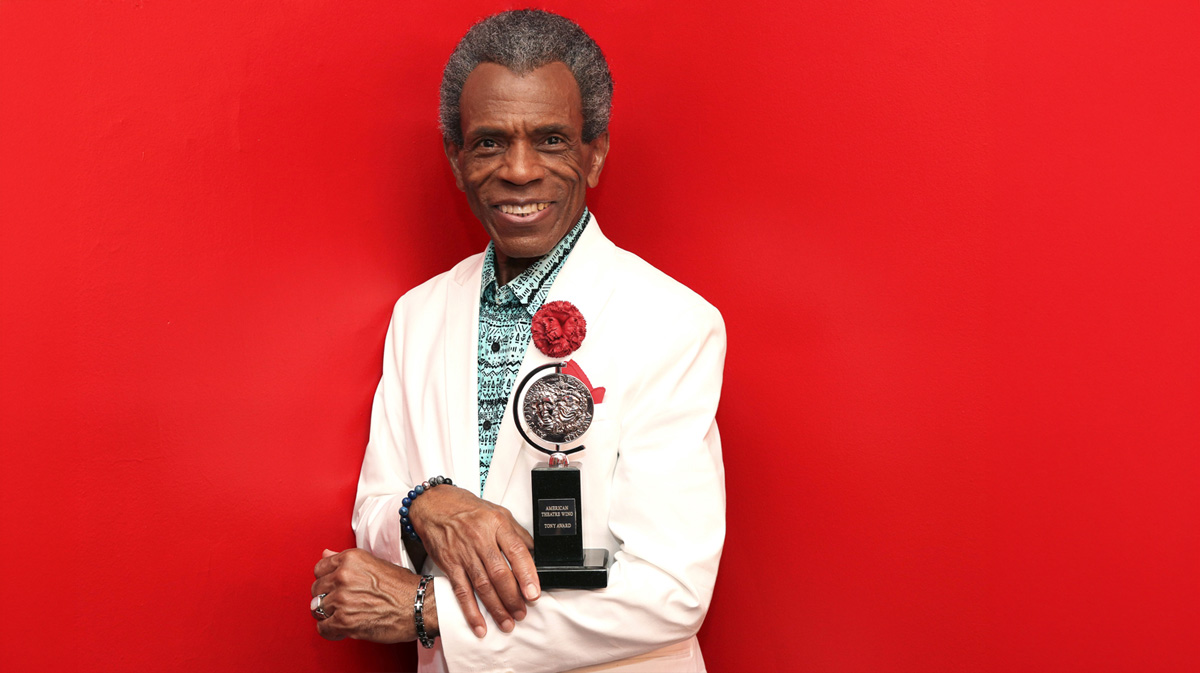
André De Shields has spent more than five decades building one of the most distinguished careers in American theater. Known for his commanding voice, elegant stage presence, and intellectual approach to performance, he has become a living institution on Broadway. His longevity is remarkable not simply because of the number of years he has performed, but because he has remained artistically relevant across generations of theater audiences.
Born in Baltimore, Maryland, De Shields developed an early appreciation for literature, music, and performance. He studied at the University of Wisconsin–Madison before moving into professional theater, where his charisma quickly drew attention. In an industry often shaped by trends and fleeting fame, he built his career through discipline, versatility, and a commitment to excellence.
Many theater fans first came to know De Shields through his groundbreaking work in The Wiz, where he originated the role of the Wiz. His performance brought style, humor, and swagger to the production and helped establish the musical as a landmark reinterpretation of The Wonderful Wizard of Oz through Black culture and music. The success of the show helped expand opportunities for Black performers on Broadway during the 1970s.
Throughout the following decades, De Shields continued appearing in major productions including Ain’t Misbehavin’, The Full Monty, and The Wiz revivals. His performances were often marked by sophistication and emotional intelligence. He became known not only as a performer, but also as a mentor and advocate for younger artists entering the theater world.
De Shields reached an entirely new audience with his celebrated portrayal of Hermes in Hadestown. His role as the smooth and philosophical narrator earned him a Tony Award in 2019 and introduced his artistry to a younger generation of theatergoers. Critics praised his magnetic storytelling and poetic delivery, and his Tony acceptance speech instantly became one of Broadway’s most quoted modern moments.
His success in “Hadestown” confirmed that De Shields was not simply a veteran actor returning for nostalgia. Instead, he demonstrated that age could deepen an artist’s power. At a time when many performers retire from demanding stage work, De Shields entered a late-career renaissance that reinforced his reputation as one of Broadway’s most respected figures.
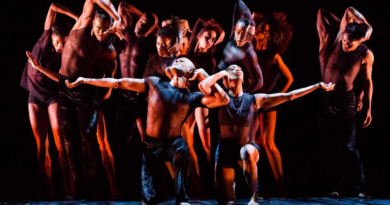
Now, De Shields has once again reinvented himself through Cats: The Jellicle Ball, a bold reimagining of Andrew Lloyd Webber’s famous musical. Rather than presenting the traditional feline fantasy audiences remember from earlier productions, this new version places the story within the world of Black and Latino ballroom culture. The production transforms the musical into an immersive celebration of fashion, dance, queer identity, and community.
In the production, De Shields plays Old Deuteronomy, the wise and respected elder figure of the Jellicle community. His commanding presence gives the character extraordinary dignity and emotional weight. Critics and audiences alike have praised how naturally he embodies the role, bringing wisdom, humor, and spiritual authority to the stage.
The Broadway revival itself has generated tremendous excitement because of its fusion of ballroom culture with classic musical theater traditions. Directors Zhailon Levingston and Bill Rauch, along with choreographers Omari Wiles and Arturo Lyons, reshaped the production into what many critics describe as one of the most innovative Broadway revivals in years. De Shields serves as a bridge between traditional Broadway history and the contemporary cultural energy of the show.
Audience reactions to De Shields’ performance have been especially enthusiastic. Theatergoers on social media and discussion forums frequently describe his portrayal as “perfect casting,” praising the authority and elegance he brings to Old Deuteronomy. Some audience members have commented on his remarkable stamina and stage command even at eighty years old.
One of the most moving aspects of De Shields’ current success is how his work continues to center representation and cultural history. “Cats: The Jellicle Ball” honors ballroom culture, a creative movement historically shaped by Black and LGBTQ communities. By participating in this production, De Shields once again aligns himself with groundbreaking theatrical work that expands the boundaries of Broadway storytelling.
De Shields has often described theater as an act of healing and transformation. In interviews surrounding “Cats,” he has reflected on gratitude, artistic purpose, and the importance of carrying wisdom forward for younger generations of performers. His career has therefore become more than entertainment; it represents perseverance, artistic integrity, and cultural leadership.
As “Cats: The Jellicle Ball” continues its celebrated Broadway run, André De Shields remains a symbol of endurance and reinvention. Few performers can claim success across so many eras of American theater, from “The Wiz” in the 1970s to “Hadestown” and now this daring new interpretation of “Cats.” His presence onstage reminds audiences that true artistry does not fade with time. Instead, it grows richer, wiser, and even more powerful.