Trailblazing Voice In American Politics
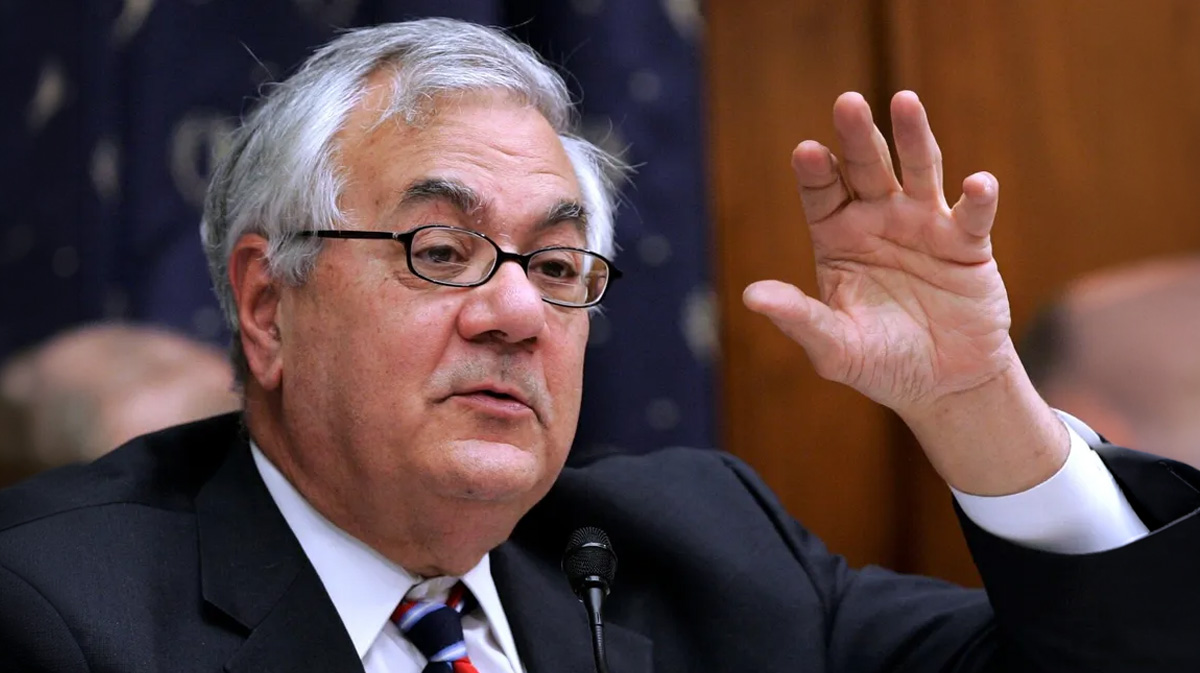
Barney Frank was one of the most influential and outspoken American politicians of the late twentieth and early twenty-first centuries. Born on March 31, 1940, in Bayonne, Frank grew up in a working-class Jewish family that valued education, public service, and political awareness. From an early age, he displayed remarkable intelligence, humor, and a gift for debate. Those qualities would later make him one of the most recognizable figures in the United States Congress.
Frank attended Harvard University, where he earned his undergraduate degree in 1962. While at Harvard, he developed a strong interest in government and public policy. He later attended the law school at Harvard Law School but left before completing his degree to pursue politics full time. His sharp political instincts and deep knowledge of legislative issues quickly gained attention among Democratic leaders in Massachusetts.
Before entering Congress, Frank worked as a political aide to Kevin White, the longtime mayor of Boston. He became known as a brilliant strategist and policy expert. In 1972, Frank won a seat in the Massachusetts House of Representatives, where he built a reputation for advocating affordable housing, civil rights, and economic fairness. His political style combined humor with fierce determination, making him both respected and controversial.
In 1980, Frank was elected to the United States House of Representatives, representing Massachusetts. During his long congressional career, he became a leading liberal voice on banking reform, housing policy, and social justice. He possessed an extraordinary ability to explain complicated financial issues in plain language. Even critics acknowledged his intelligence and command of legislative detail.
One of the most historic aspects of Frank’s career was his role as one of the first openly gay members of Congress. In 1987, he publicly acknowledged his sexuality, becoming a groundbreaking figure in American politics during a time when openly LGBTQ public officials were extremely rare. His openness helped pave the way for greater acceptance and representation in government. Frank often argued that visibility itself could challenge prejudice and misinformation.
Frank became especially influential during the financial crises of the 2000s. As chairman of the House Financial Services Committee, he helped shape the government’s response to the 2008 economic collapse. Working closely with lawmakers and financial experts, he co-authored the landmark Dodd–Frank Wall Street Reform and Consumer Protection Act alongside Senator Chris Dodd. The law aimed to strengthen oversight of banks and reduce the chances of another devastating financial crisis.
Frank’s political style was famous nationwide. He was known for sharp wit, direct answers, and little patience for political theater. Journalists often sought him out because he delivered memorable comments with honesty and humor. One of his most famous remarks was, “Government is simply the name we give to the things we choose to do together.” The quote reflected his belief that government could serve as a positive force for solving social problems.
Another widely remembered Barney Frank quote was, “These two things are not contradictory: the rich should contribute more to society, and society should not hate the rich.” This statement demonstrated Frank’s pragmatic liberalism. He believed economic fairness was essential, but he also rejected simplistic political divisions. Frank often positioned himself as a practical problem solver rather than an ideological extremist.
Frank also became known for his criticism of political fearmongering and discrimination. One of his most quoted observations was, “Anti-gay prejudice is far more widespread than anti-gay violence, and it is the former that is far more damaging to the quality of life of gay people.” Through comments like this, Frank encouraged Americans to think deeply about the social consequences of prejudice beyond physical violence alone.
Outside of politics, Frank was admired for his intellect and self-awareness. He frequently appeared on television news programs and lecture panels after retiring from Congress in 2013. He also wrote the memoir Frank: A Life in Politics from the Great Society to Same-Sex Marriage, in which he reflected on his career, personal struggles, and changing American society. The memoir offered insight into both the victories and disappointments of modern political life.
Frank married Jim Ready in 2012, becoming one of the first members of Congress to enter a same-sex marriage while in office. The event symbolized the dramatic cultural changes that had occurred during Frank’s lifetime. For many supporters, his marriage represented progress in the fight for equal rights and recognition for LGBTQ Americans.
Barney Frank passed away on January 11, 2025, leaving behind a legacy of courage, intellect, and public service. Whether admired or criticized, he undeniably changed American politics through his leadership, honesty, and advocacy for marginalized communities. His impact on financial reform, LGBTQ representation, and liberal politics continues to shape national conversations today. Barney Frank’s career demonstrated how one determined public servant could influence both laws and cultural attitudes across generations.