Bringing Healthcare Closer to Home
A Community Healthcare Access Initiative from
HCCI, MedPod, and Twin City Outreach Mission
For many individuals and families, accessing healthcare can be challenging. Everyday barriers such as transportation, caregiving scheduling, mobility limitations, and trepidation about navigating the healthcare system keep people from accessing the healthcare they need.
Whether it’s a senior who struggles just to get to an appointment or a veteran who postpones care because of difficult and exhausting travel, the problems lead to delay or lack of care. Often, a manageable condition becomes a serious issue.
Preventive care—arguably the most effective form of healthcare—is often out of reach because of a lack of consistent care relationships with primary care providers. Instead, emergency interventions occur when delayed appointments cause conditions to worsen.
A new, community-based healthcare access initiative addresses these issues and more. A strategic partnership between Harlem Congregations for Community Improvement (HCCI), MedPod, and Twin City Outreach Mission brings healthcare access, wellness support, and coordinated services closer to the people that need them most. A simple but transformative idea grounds the initiative: healthcare should be easy to access, consistent, and closer to the communities where people live.
A Community-Centered Partnership
HCCI has decades of experience in housing and community development, with a deep understanding of the structural challenges that affect residents’ daily lives.
Twin City Outreach Mission brings direct, grassroots engagement—working closely with families, seniors, veterans, and underserved populations.
MedPod contributes innovative healthcare technology designed to expand access through remote consultations and diagnostic capabilities.
Together, these partners are building a healthcare model that connects community organizations, housing providers, healthcare professionals, and local leadership around a shared goal: improving access to care in practical, scalable ways.
“Healthcare should be easy to access, consistent, and closer to the communities where people live.”
Technology Supporting Better Access
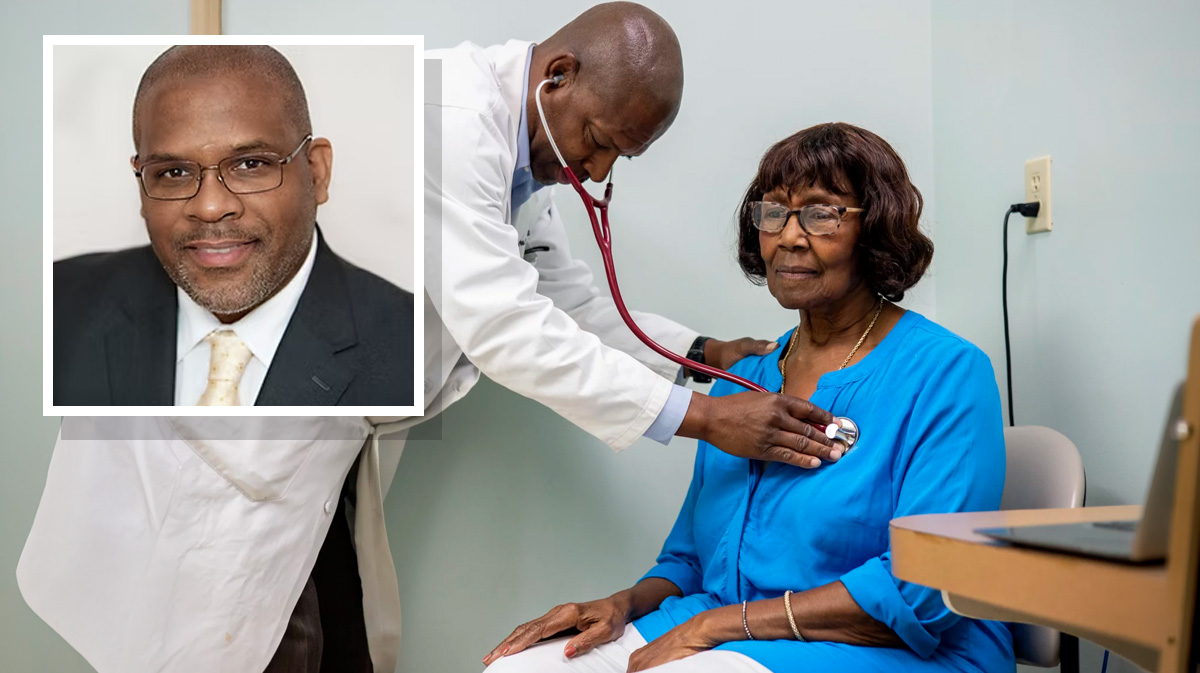
Accessible healthcare technology is at the center of this initiative. MedPod’s platform enables remote medical visits supported by clinical tools such as digital stethoscopes, otoscopes, high-resolution video examination systems, and vital sign monitoring devices. These tools allow healthcare providers to evaluate patients in real time—without requiring travel for routine consultations.
This approach does not replace traditional healthcare systems. Hospitals, physicians, and emergency services remain essential. Instead, the initiative strengthens the continuum of care by addressing the gap between everyday health needs and formal medical intervention. It focuses on early engagement, preventive care, and consistent access—factors that are critical to improving long-term health outcomes.
The importance of this model becomes especially clear in communities where barriers to care are persistent. Transportation limitations, shortages of nearby providers, mobility challenges, and economic constraints all contribute to delayed treatment and poorer health outcomes. By reducing these barriers, the initiative creates opportunities for earlier diagnosis, more consistent monitoring, and better overall wellness.
Building Trust Through Community Connections
What distinguishes this effort is its emphasis on working with trusted community institutions rather than around them. Community-based organizations already maintain close relationships with the individuals and families they serve. They understand local needs, recognize emerging challenges, and often serve as the first point of contact for individuals seeking support.
Housing providers, in particular, have a unique window into the daily realities of residents—whether those involve chronic health conditions, isolation, or difficulty accessing services.
By integrating healthcare access into these existing networks, the initiative builds on trust and familiarity. It creates a framework where support systems are not fragmented but coordinated—where housing stability, wellness, and healthcare access are treated as interconnected components of quality of life.
For housing organizations and property managers, this model provides a practical way to support residents facing health-related challenges. For caregivers and families, it reduces the burden of coordinating transportation and appointments. For seniors and veterans, it offers greater convenience, dignity, and continuity of care.
“Healthcare should begin earlier—through prevention, connection, and accessibility.”
Expanding Community Impact
Equally important, the initiative opens new opportunities for community organizations to expand their impact. By incorporating healthcare access into their service offerings, organizations can enhance their role as comprehensive support systems—addressing not only housing or social needs, but also the health and well-being of the populations they serve.
The broader vision behind the HCCI–MedPod–Twin City Outreach Mission partnership is to create healthier, more connected communities through integration. It brings together housing, healthcare access, technology, and community engagement into a unified approach that is both practical and scalable.
Call to Action
Community organizations, houses of worship, housing providers, healthcare partners, and local leaders are invited to explore how this healthcare access initiative can support the populations they serve.
Now is the time to act—strengthen partnerships, expand access points, and invest in solutions that bring care closer to where people live.
To learn more, connect with HCCI, MedPod, or Twin City Outreach Mission and explore opportunities to collaborate, pilot programs, or implement this model within your community.
Improving healthcare access begins with a shared commitment: ensuring that no individual is left without the care, connection, and support they need to live a healthy and dignified life.
L–R: David Tawil, Dr. Malcolm A. Punter, Rev. Dr. Keith W. Roberson, Phillip Rucker, Ed Miller
- Healthcare should not begin only when conditions become urgent.
- Healthcare should begin earlier—through prevention, connection, and accessibility.
- And it should be delivered in ways that meet people where they are.
As healthcare systems across the country continue to face growing demand and complexity, community-based models like this one offer a compelling path forward. They demonstrate how partnerships can bridge gaps in access, reduce strain on emergency services, and improve outcomes by focusing on early intervention and ongoing support.
They also highlight a critical truth: improving healthcare access is not solely the responsibility of medical institutions. It requires collaboration across sectors—housing, technology, community development, and local leadership—to create solutions that are both effective and sustainable.
“Bringing healthcare closer to home is not simply a concept. It is a strategy.”
Bringing healthcare closer to home is not simply a concept. It is a strategy—one that recognizes the realities people face and responds with innovation, partnership, and purpose.