Changing Lives Through Education
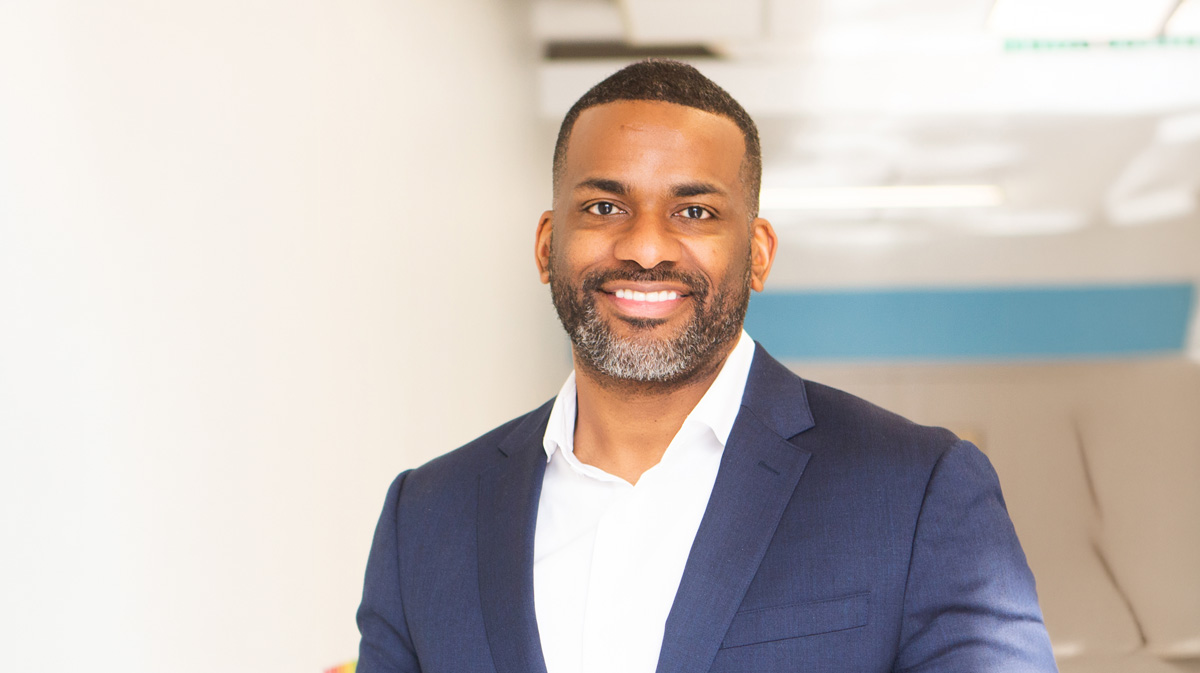
Shavar Jeffries has dedicated much of his career to expanding educational opportunities for low-income students, believing that a child’s ZIP code should never determine the quality of education they receive. Growing up in Newark, New Jersey, Jeffries experienced firsthand both the challenges and the possibilities that exist within urban communities. Those experiences have shaped a lifelong commitment to ensuring that every child has access to excellent schools, strong teachers, and the resources needed to succeed.
Jeffries often speaks about education as one of the most powerful tools for breaking cycles of poverty. He has argued that students from underserved neighborhoods deserve the same opportunities as children from more affluent communities, including rigorous academic programs, safe learning environments, and pathways to college and meaningful careers. His advocacy has consistently focused on helping students realize their full potential regardless of economic circumstances.
Throughout his career, Jeffries has supported innovative approaches to improving public education. He has emphasized accountability, high academic expectations, and expanding quality educational options for families. While some of his positions—particularly his support for public charter schools—have generated debate, his central message has remained that students should always come first when education policies are developed.
As Chief Executive Officer of the KIPP Foundation, Jeffries now leads one of the nation’s largest public charter school organizations. KIPP supports hundreds of schools serving students across the United States, many of whom come from historically underserved communities. His leadership places him at the forefront of efforts to improve educational outcomes for children whose families often face economic hardship.
In his role as CEO, Jeffries has focused on strengthening KIPP’s mission of preparing students for success in college, careers, and life. The organization emphasizes academic excellence while also investing in character development, leadership skills, and long-term student support. Jeffries has highlighted the importance of creating schools where every child feels valued, challenged, and inspired to achieve ambitious goals.
Jeffries also believes that education extends beyond classroom instruction. Under his leadership, KIPP has continued to expand programs that support students’ social and emotional development, recognizing that academic achievement is closely connected to mental wellness, family engagement, and community partnerships. This holistic approach reflects his belief that educating the whole child produces stronger long-term outcomes.
Beyond his executive responsibilities, Jeffries has devoted considerable time to nonprofit organizations dedicated to youth development, mentoring, and educational equity. He has served on numerous boards that work to create opportunities for young people, particularly those from communities that have historically lacked adequate educational and economic resources. His nonprofit work reflects a commitment that extends well beyond his professional titles.
Mentorship has remained a central theme throughout Jeffries’ public service. He has frequently emphasized the importance of providing young people with positive role models who encourage academic achievement, leadership, and civic responsibility. By supporting organizations that connect experienced professionals with students, he has helped promote networks of encouragement that can influence lives for generations.
Educational equity has also been a consistent focus of Jeffries’ advocacy. He has argued that equality in education means more than simply offering every student the same resources—it requires addressing longstanding disparities that affect access to quality schools, experienced educators, advanced coursework, and extracurricular opportunities. His work has sought to reduce those barriers while expanding opportunities for students from historically marginalized communities.
Jeffries’ leadership style combines legal expertise, policy knowledge, and personal experience. Having overcome significant adversity during his own childhood, he brings both professional credentials and lived experience to conversations about educational reform. His journey has reinforced his belief that every child deserves adults who are willing to invest in their future.
Supporters point to Jeffries’ career as evidence that meaningful educational change requires collaboration among educators, families, nonprofit organizations, policymakers, and community leaders. Whether working through national organizations, local initiatives, or nonprofit boards, he has consistently encouraged partnerships that place children’s needs above political or ideological divisions.
As CEO of the KIPP Foundation and an advocate for educational opportunity, Shavar Jeffries continues to influence conversations about how America can better serve its students. Through his leadership, nonprofit involvement, and dedication to mentoring the next generation, he has sought to expand opportunities for young people from low-income communities while advancing the broader goal of educational equity for all.Changing Lives Through Education
Shavar Jeffries has dedicated much of his career to expanding educational opportunities for low-income students, believing that a child’s ZIP code should never determine the quality of education they receive. Growing up in Newark, New Jersey, Jeffries experienced firsthand both the challenges and the possibilities that exist within urban communities. Those experiences have shaped a lifelong commitment to ensuring that every child has access to excellent schools, strong teachers, and the resources needed to succeed.
Jeffries often speaks about education as one of the most powerful tools for breaking cycles of poverty. He has argued that students from underserved neighborhoods deserve the same opportunities as children from more affluent communities, including rigorous academic programs, safe learning environments, and pathways to college and meaningful careers. His advocacy has consistently focused on helping students realize their full potential regardless of economic circumstances.
Throughout his career, Jeffries has supported innovative approaches to improving public education. He has emphasized accountability, high academic expectations, and expanding quality educational options for families. While some of his positions—particularly his support for public charter schools—have generated debate, his central message has remained that students should always come first when education policies are developed.
As Chief Executive Officer of the KIPP Foundation, Jeffries now leads one of the nation’s largest public charter school organizations. KIPP supports hundreds of schools serving students across the United States, many of whom come from historically underserved communities. His leadership places him at the forefront of efforts to improve educational outcomes for children whose families often face economic hardship.
In his role as CEO, Jeffries has focused on strengthening KIPP’s mission of preparing students for success in college, careers, and life. The organization emphasizes academic excellence while also investing in character development, leadership skills, and long-term student support. Jeffries has highlighted the importance of creating schools where every child feels valued, challenged, and inspired to achieve ambitious goals.
Jeffries also believes that education extends beyond classroom instruction. Under his leadership, KIPP has continued to expand programs that support students’ social and emotional development, recognizing that academic achievement is closely connected to mental wellness, family engagement, and community partnerships. This holistic approach reflects his belief that educating the whole child produces stronger long-term outcomes.
Beyond his executive responsibilities, Jeffries has devoted considerable time to nonprofit organizations dedicated to youth development, mentoring, and educational equity. He has served on numerous boards that work to create opportunities for young people, particularly those from communities that have historically lacked adequate educational and economic resources. His nonprofit work reflects a commitment that extends well beyond his professional titles.
Mentorship has remained a central theme throughout Jeffries’ public service. He has frequently emphasized the importance of providing young people with positive role models who encourage academic achievement, leadership, and civic responsibility. By supporting organizations that connect experienced professionals with students, he has helped promote networks of encouragement that can influence lives for generations.
Educational equity has also been a consistent focus of Jeffries’ advocacy. He has argued that equality in education means more than simply offering every student the same resources—it requires addressing longstanding disparities that affect access to quality schools, experienced educators, advanced coursework, and extracurricular opportunities. His work has sought to reduce those barriers while expanding opportunities for students from historically marginalized communities.
Jeffries’ leadership style combines legal expertise, policy knowledge, and personal experience. Having overcome significant adversity during his own childhood, he brings both professional credentials and lived experience to conversations about educational reform. His journey has reinforced his belief that every child deserves adults who are willing to invest in their future.
Supporters point to Jeffries’ career as evidence that meaningful educational change requires collaboration among educators, families, nonprofit organizations, policymakers, and community leaders. Whether working through national organizations, local initiatives, or nonprofit boards, he has consistently encouraged partnerships that place children’s needs above political or ideological divisions.
As CEO of the KIPP Foundation and an advocate for educational opportunity, Shavar Jeffries continues to influence conversations about how America can better serve its students. Through his leadership, nonprofit involvement, and dedication to mentoring the next generation, he has sought to expand opportunities for young people from low-income communities while advancing the broader goal of educational equity for all.