Federal Reserve For The Hood
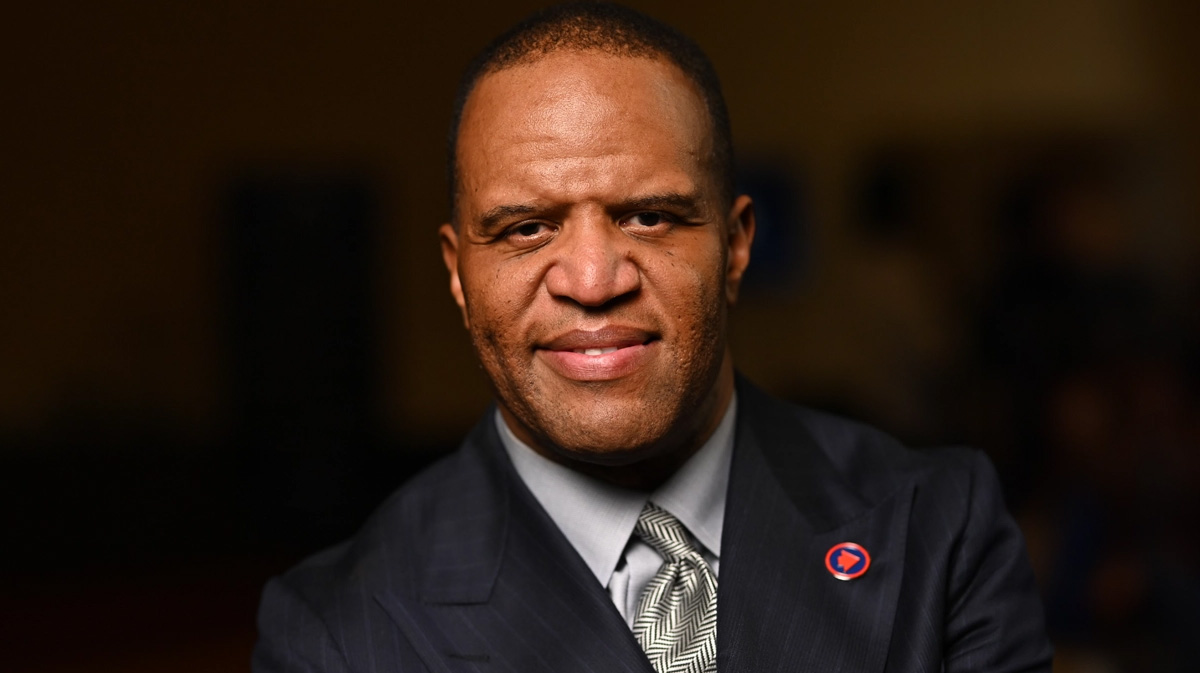
John Hope Bryant has long argued that the greatest civil rights challenge of the 21st century is not only discrimination, but also financial illiteracy and the lack of access to capital. The entrepreneur, author, and founder of Operation HOPE believes that economic empowerment is the key to creating lasting change in underserved communities. Rather than waiting for outside institutions to solve persistent wealth gaps, Bryant has urged Black Americans to build financial strength from within.
Central to Bryant’s vision is what he calls becoming the “Federal Reserve for the hood.” The phrase is both symbolic and practical. It reflects his belief that neighborhoods that have historically been excluded from mainstream banking and investment systems must develop their own networks of financial education, lending, entrepreneurship, and wealth creation. Instead of relying solely on government assistance, Bryant argues that communities should become producers of capital rather than simply consumers of it.
Bryant often points out that while money flows through Black communities in enormous amounts each year, too little of that wealth stays within those communities. He believes that increasing financial literacy, improving credit scores, expanding homeownership, and encouraging investment can create a cycle in which local dollars generate local prosperity. In his view, capital should circulate through neighborhoods just as effectively as it does in thriving business districts.
Another cornerstone of Bryant’s philosophy is his ambitious goal of helping create one million Black-owned businesses across America. He argues that business ownership has historically been one of the most effective paths to building generational wealth. Entrepreneurs not only create income for themselves, but also generate jobs, provide services, mentor future business leaders, and strengthen the economic foundation of their communities.
Bryant believes that many aspiring entrepreneurs already possess the creativity and determination needed to succeed but often lack access to affordable financing, experienced mentors, and practical business education. Through Operation HOPE and related initiatives, he has promoted coaching programs, financial counseling, small-business development, and partnerships with banks that can help entrepreneurs move from ideas to sustainable companies.
His emphasis on credit deserves particular attention. Bryant frequently says that a person’s credit score has become one of the most important numbers in modern economic life. A strong credit profile can open doors to business loans, mortgages, equipment financing, and investment opportunities. Improving credit, he argues, is not simply about borrowing money—it is about gaining access to opportunities that can change the trajectory of an entire family.
Education also plays a central role in Bryant’s strategy. He believes financial literacy should be taught alongside reading, writing, mathematics, and science from an early age. Students who understand budgeting, investing, entrepreneurship, taxes, and responsible credit use are better prepared to navigate adulthood and make informed financial decisions. Bryant sees financial education as a lifelong asset that can be passed from one generation to the next.
Technology has expanded Bryant’s vision even further. Digital banking, online marketplaces, artificial intelligence, and e-commerce platforms have lowered many of the barriers that once prevented small businesses from reaching national and international markets. Bryant encourages entrepreneurs to embrace these technologies while maintaining strong financial discipline and customer-focused business practices.
Bryant’s proposal has attracted support from many leaders in business, banking, government, and philanthropy because it focuses on creating long-term economic capacity rather than short-term relief. His collaborations with major financial institutions have demonstrated that public-private partnerships can expand access to financial services in communities that have traditionally been underserved.
The goal of creating one million Black-owned businesses is undeniably ambitious, but Bryant argues that ambitious goals inspire transformative action. Even if every entrepreneur does not build a large corporation, thousands of successful small businesses could collectively employ millions of people, expand local tax bases, support neighborhood revitalization, and create wealth that remains within families for generations.
Critics acknowledge that entrepreneurship alone cannot eliminate systemic barriers such as unequal access to capital, educational disparities, and discriminatory lending practices. Bryant agrees that policy reforms remain important, but he maintains that building financial capability at the individual and community levels is equally essential. His philosophy emphasizes that advocacy and economic empowerment should work together rather than compete with one another.
Ultimately, John Hope Bryant’s vision of becoming the “Federal Reserve for the hood” represents a call for economic self-determination rooted in knowledge, ownership, and opportunity. His campaign to help create one million Black-owned businesses challenges communities, financial institutions, educators, and policymakers to rethink how wealth is created and shared. Whether viewed as an ambitious blueprint or an inspiring aspiration, Bryant’s message continues to emphasize that financial empowerment is not merely about accumulating money—it is about expanding freedom, strengthening families, and building resilient communities for future generations.