El-Sayed Victory Sparks New Possibilities
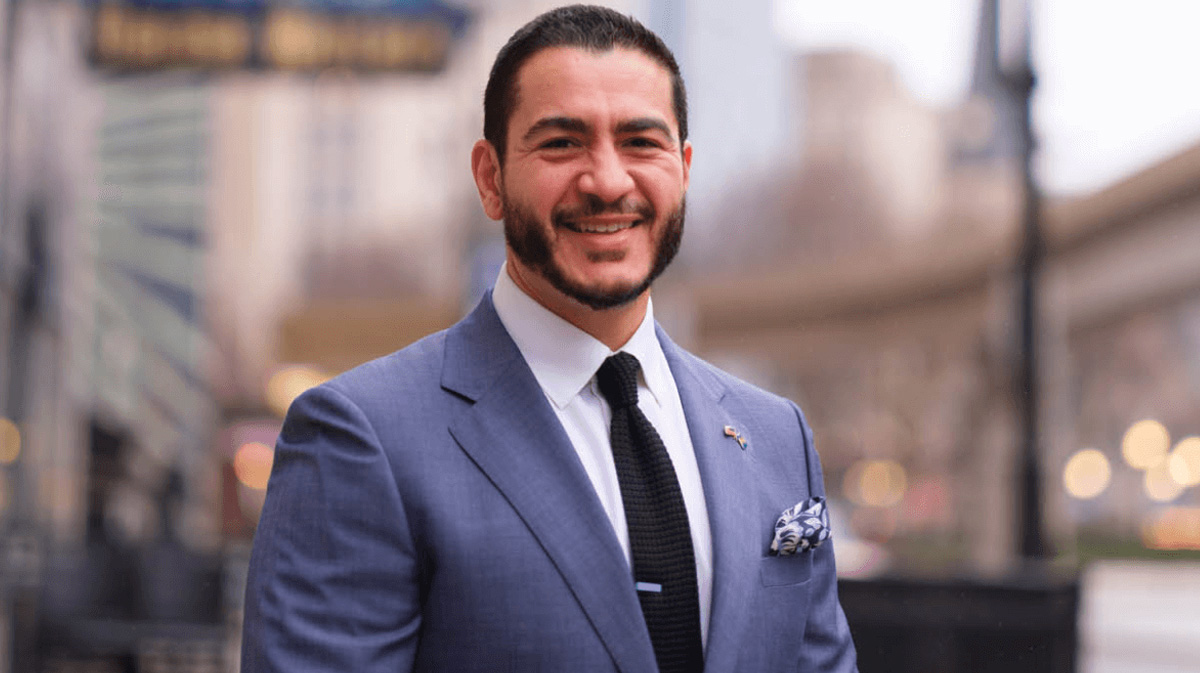
Dr. Abdul El-Sayed’s victory in Michigan’s Democratic U.S. Senate primary has generated conversations far beyond the state’s borders. While every election is shaped by local issues, his success has been viewed by many as a reminder that voters are increasingly looking for candidates who focus on healthcare, economic opportunity, and community investment rather than traditional political labels. For many African Americans, the outcome raises important questions about what new leadership could mean for communities that continue to seek greater economic and social equity.
Black voters have long been among the most influential voices in Michigan politics. Cities such as Detroit have repeatedly demonstrated that high voter participation can determine statewide elections. El-Sayed’s victory reinforces the idea that candidates who invest time listening to Black communities and addressing their concerns are more likely to build the broad coalitions needed to succeed in a competitive state.
One of the themes that resonated throughout the campaign was the connection between health and opportunity. Many Black families continue to face unequal access to healthcare, higher rates of chronic illness, and economic challenges that affect overall well-being. As a physician, El-Sayed has often argued that improving public health requires strengthening neighborhoods, expanding access to quality care, and addressing the economic conditions that shape people’s lives. Those ideas have particular significance in communities that have experienced generations of inequality.
The election also demonstrated the growing influence of coalition politics. Rather than appealing to only one segment of the Democratic Party, the campaign brought together younger voters, labor supporters, progressives, African Americans, Arab Americans, and many independents who shared common concerns about affordability and economic security. For the Black community, that approach suggests that lasting political influence often comes through partnerships built around shared goals instead of competing interests.
Economic development remains one of the most important issues facing Black America, and many supporters believe El-Sayed’s priorities align with that challenge. Discussions about affordable housing, job creation, small-business growth, and workforce development speak directly to communities seeking long-term financial stability. Whether those goals become reality will ultimately depend on legislative action, but the campaign elevated these issues to the forefront of the public conversation.
Another meaningful aspect of the campaign was its emphasis on grassroots participation. Volunteers, neighborhood organizers, and community advocates played a visible role throughout the election. That serves as a reminder that political influence is not measured only by fundraising totals or television advertisements. Community organizing, voter education, and consistent civic engagement continue to be powerful tools for creating political change.
For younger African Americans, the election may serve as encouragement to become more involved in public service. Seeing candidates from diverse backgrounds compete successfully at the highest levels of government can inspire future leaders to pursue careers in politics, public health, education, and community organizing. Representation alone is not enough, but it can help expand the sense of what is possible for the next generation.
At the same time, the election underscores an important reality: the Black community is not politically monolithic. African American voters hold a wide range of opinions shaped by age, geography, faith, profession, and personal experience. While many welcomed El-Sayed’s message, others supported different candidates based on their own priorities. That diversity of thought reflects the strength of a healthy democratic process rather than a weakness.
As the general election approaches, Black voters are likely to remain one of the decisive constituencies in Michigan. Candidates from both parties will need to present clear plans for improving education, strengthening public safety, expanding economic opportunity, protecting voting rights, and ensuring access to affordable healthcare. Winning an election is only the first step; maintaining public confidence requires delivering measurable results.
Ultimately, Dr. Abdul El-Sayed’s primary victory represents an opportunity rather than a guarantee. For many in the Black community, it symbolizes the possibility that coalition-building, grassroots organizing, and issue-driven politics can shape the future of American leadership. The lasting significance of his victory will be determined not by election night alone, but by whether the promises of opportunity, equity, and investment produce meaningful improvements in the lives of Black families across Michigan and beyond.