Alabama Shakes Redefine Southern Soul
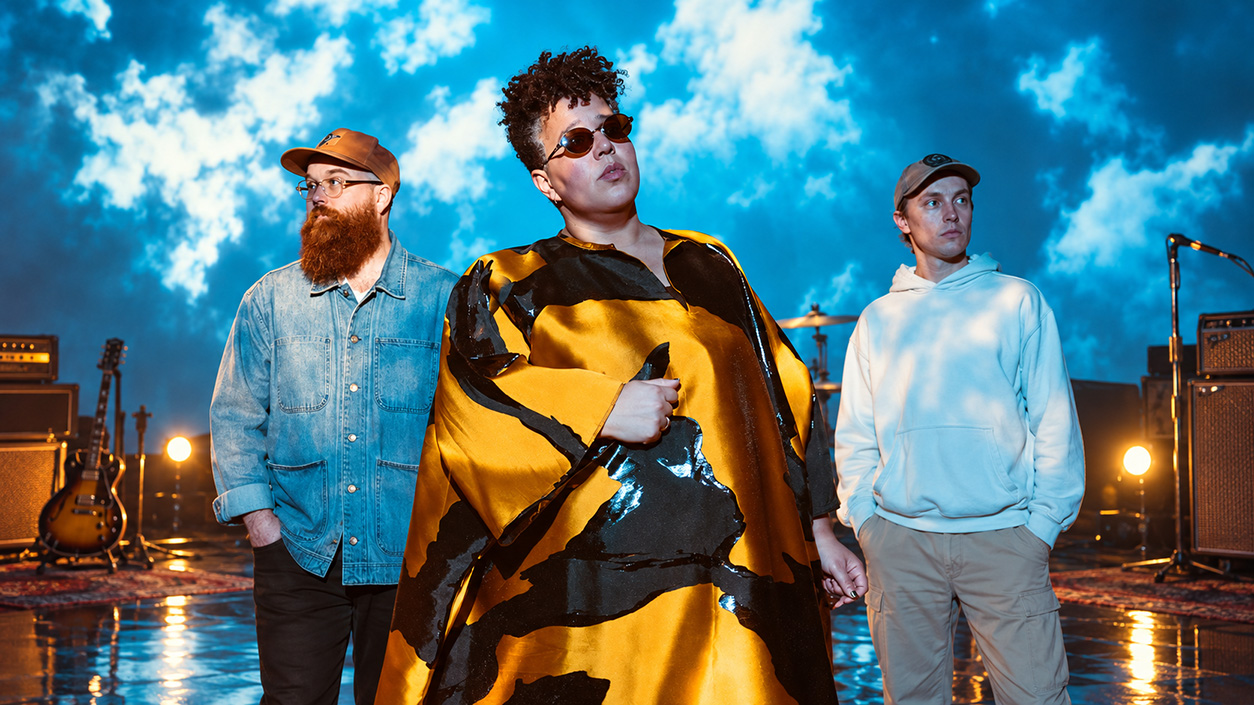
Alabama Shakes emerged from Athens, Alabama, with a sound that brought soul, blues, rock, and Southern musical traditions into a compelling contemporary setting. Formed in 2009, the band attracted listeners through emotional intensity and a willingness to move across musical boundaries. Their recordings could sound familiar without feeling predictable, drawing on older traditions while making room for experimentation. From small-town beginnings to international recognition, Alabama Shakes demonstrated how a distinctive musical voice can develop through shared influences, close collaboration, and the determination to keep growing.
The original lineup featured singer and guitarist Brittany Howard, guitarist Heath Fogg, bassist Zac Cockrell, and drummer Steve Johnson. Howard and Cockrell knew each other from high school, and their early musical partnership eventually expanded into the group first called the Shakes. Their performances included songs associated with artists as varied as James Brown, Otis Redding, AC/DC, and Led Zeppelin. Those influences help explain why the band never fit comfortably within a single category. Adding “Alabama” to their name acknowledged the home state that helped shape their identity.
Howard’s voice became the band’s most immediately recognizable feature. She can move from a restrained phrase to a forceful cry, giving a performance the feeling of an emotion being discovered as it unfolds. Yet Alabama Shakes’ appeal depends on more than the power of its lead singer. The surrounding instruments create space, tension, and movement that give her delivery its setting. A guitar phrase, an unhurried bass line, or a sudden rhythmic change can become as important to a song’s emotional character as its most dramatic vocal moment.
The band reached a wider audience with its 2012 debut album, Boys & Girls. Its breakthrough single, “Hold On,” introduced Howard’s commanding vocals alongside a sturdy, memorable instrumental arrangement. The song’s message of endurance offered listeners something personal to hold onto, while the album established the group as a significant new presence. Boys & Girls eventually reached No. 6 on the Billboard 200, and Alabama Shakes received Grammy nominations that included Best New Artist and Best Rock Performance. Their local musical partnership had become an international success.
Live performance helped turn that attention into a lasting connection with audiences. Alabama Shakes could build a song gradually, allowing its intensity to grow through the interaction of voice, rhythm, and guitar. Their rise brought appearances at the White House and on Saturday Night Live, taking their music into settings far removed from their earliest gigs. Such opportunities expanded their visibility, but the central attraction remained the experience of musicians responding to one another. Their performances offered a reminder that a band’s chemistry can communicate something a polished recording alone cannot fully capture.
With Sound & Color in 2015, Alabama Shakes expanded the possibilities suggested by their debut. The album explored a more spacious and adventurous sound, allowing atmosphere and unexpected musical turns to become central parts of the experience. It retained the emotional force associated with the group while challenging expectations about what their next record should sound like. Debuting at No. 1 on the Billboard 200, Sound & Color showed that creative development could accompany commercial success. The band’s willingness to change became one of its defining strengths. (Grammy)
ative Music Album, while “Don’t Wanna Fight” received awards for Best Rock Performance and Best Rock Song. Alabama Shakes later earned another Grammy in 2018, winning Best American Roots Performance for “Killer Diller Blues.” The range of those categories reflects the group’s ability to connect with several musical traditions. Their achievements also illustrate how limiting genre labels can become when musicians approach their influences with curiosity rather than treating them as fixed boundaries.
After their initial period of success, the band entered a hiatus in 2018, giving its members room to pursue other work. Howard developed a solo career through Jaime in 2019 and What Now in 2024, while Fogg released music through his project Sun on Shade. The separation allowed individual creative interests to develop outside the expectations attached to Alabama Shakes. For listeners, the absence also highlighted what made the group distinctive: the particular combination of musicians whose contributions had helped create its identity.
Howard, Fogg, and Cockrell eventually reunited, opening a new chapter that led to I Must Be Dreaming, released on August 28, 2026, through Island Records. Their first studio album in 11 years was produced with Shawn Everett and recorded in Nashville. Songs including “Another Life,” “American Dream,” “Garden,” and “I Feel Hope Coming” accompany an exploration of love, uncertainty, mortality, and human connection. The reunion brought their established partnership into a different stage of life, with fresh experiences informing the music they made together.
Alabama Shakes’ significance rests in their ability to honor musical inheritance while continuing to search for new forms of expression. Their work connects the emotional directness of soul and blues with the freedom and force of rock, inviting audiences to hear those traditions as part of an ongoing conversation. Their story also makes room for interruption, individual growth, and renewal. Through breakthrough recordings, powerful performances, and a return to collaboration, Alabama Shakes continue to demonstrate the possibilities that emerge when talented musicians remain open to one another—and to change.