Apollo of the South Legacy
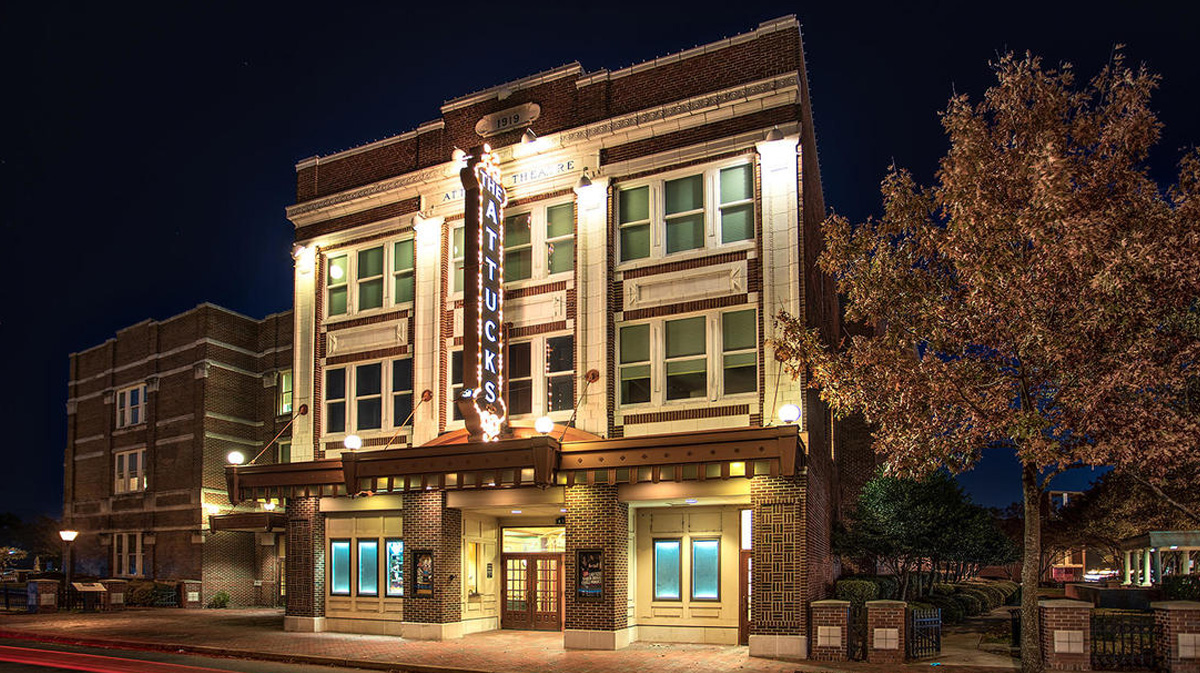
The Attucks Theatre stands as one of the most important cultural landmarks in Norfolk, Virginia, representing a powerful intersection of history, community, and artistic excellence. Built in 1919 in the heart of the city’s thriving Black business district, the theater emerged during segregation as a place where African Americans could gather, perform, and celebrate culture in a society that often excluded them. From its earliest days, it symbolized pride, ownership, and creative expression.
What made the Attucks Theatre especially remarkable was that it was financed, designed, constructed, and operated entirely by African Americans. Designed by architect Harvey Johnson, the building was not only a theater but also a hub for Black entrepreneurship, housing offices for professionals and serving as a central gathering place for the community. This level of ownership and independence was rare at the time and contributed to the theater’s enduring historical significance.
Nicknamed the “Apollo of the South,” the Attucks Theatre quickly became a major entertainment venue. It hosted concerts, plays, films, and community events, bringing nationally recognized talent to Norfolk while also nurturing local performers. The theater’s stage became a gateway through which Black artists could reach wider audiences during an era when opportunities were limited elsewhere.
Throughout the early and mid-20th century, the theater welcomed an extraordinary lineup of performers who would later become legends. Artists such as Duke Ellington, Cab Calloway, Ella Fitzgerald, and Louis Armstrong graced its stage, helping to define the golden age of jazz and popular music. Their performances not only entertained audiences but also elevated the theater’s national reputation as a premier venue.
In addition to musical icons, the Attucks Theatre also hosted comedians and entertainers like Redd Foxx, as well as notable figures such as Nat King Cole and Mamie Smith. These performances reflected the diversity of talent that passed through its doors, making the theater a cornerstone of African American entertainment and culture.
The theater was more than a performance space; it was a vital part of everyday life in Norfolk’s Black community. It served as a movie house, a meeting place, and a business center, reinforcing its role as a cultural and social anchor. During segregation, it provided a safe and welcoming environment where people could gather freely and celebrate shared experiences.
Despite its success, the Attucks Theatre eventually faced decline. By the early 1950s, changes in entertainment, integration, and urban development led to its closure as a performing arts venue. It ceased operations around 1953, marking the end of an era for the historic building. For decades afterward, the space was repurposed, and its original purpose faded from public view.
Recognition of the theater’s historical importance began to grow in the latter half of the 20th century. It was designated a historic landmark and added to the National Register of Historic Places, acknowledging its cultural and architectural significance. These honors helped spark renewed interest in preserving the building and restoring its legacy.
The rehabilitation of the Attucks Theatre was a major undertaking that required vision, funding, and community commitment. After years of planning and investment, a multi-million-dollar restoration project was completed, and the theater officially reopened in 2004. This revival transformed the building back into a vibrant performance space while preserving its historic character.
Since its reopening, the Attucks Theatre has once again become a center for arts and culture. Modern performers such as Wynton Marsalis and Audra McDonald have taken the stage, continuing the tradition of excellence established decades earlier. The theater now hosts a wide range of events, from jazz concerts to theatrical productions, connecting past and present.
The legacy of the Attucks Theatre is also reflected in its continued recognition and celebration. Historical markers, community events, and educational initiatives highlight its role in African American history and American culture more broadly. The theater’s story serves as a reminder of resilience, creativity, and the power of community-driven achievement.
Today, the Attucks Theatre stands not only as a restored building but as a living symbol of cultural heritage. Its history, rehabilitation, and the legendary performers who once stood on its stage continue to inspire new generations. As both a historic landmark and an active arts venue, it remains a testament to the enduring impact of Black artistry and enterprise in America.