Legacy of Ghana’s Highlife Pioneer
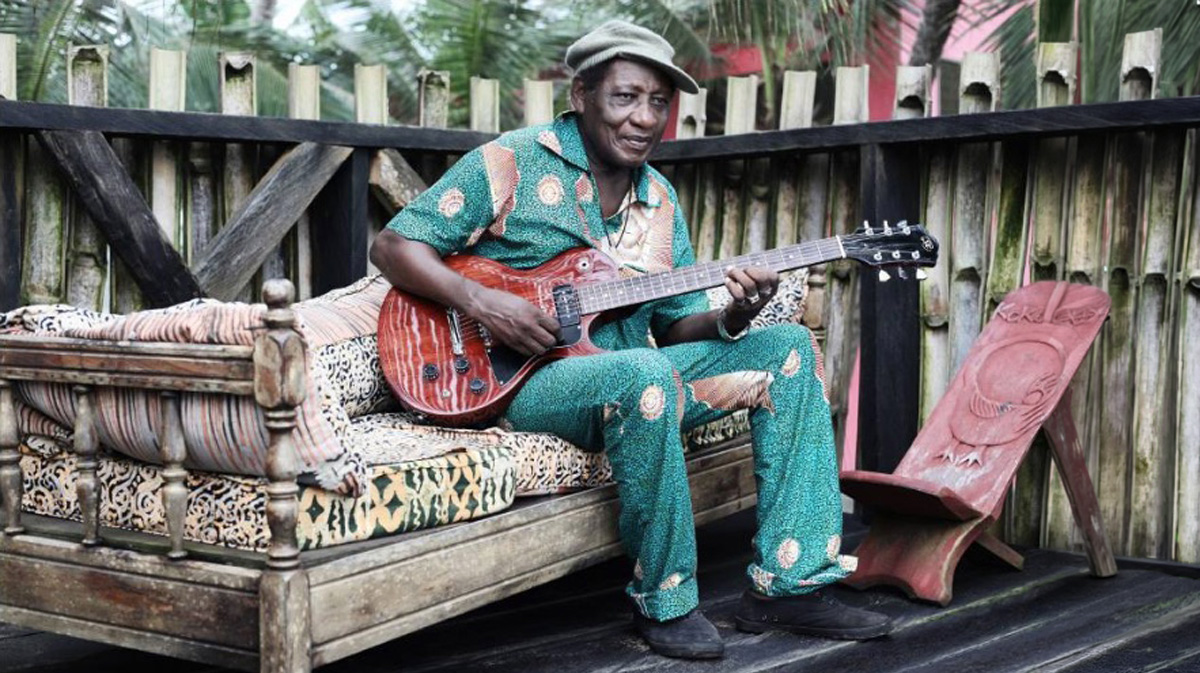
Ebo Taylor is one of the most influential figures in African music, particularly known for his role in shaping highlife and Afrobeat. Born in 1936 in Ghana, Taylor grew up during a time when music was becoming an important part of cultural identity in West Africa. His early exposure to traditional rhythms and melodies would later influence his distinctive sound, which blends African musical traditions with jazz, funk, and soul.
During his youth, Taylor showed a strong passion for music and pursued formal training to develop his skills. He attended music school in Ghana before traveling abroad to further his education. In the late 1950s and early 1960s, he studied at the Eric Gilder School of Music in London, where he was exposed to Western musical styles, including jazz and classical music. This international experience broadened his perspective and helped shape his future compositions.
While in London, Taylor encountered other African musicians who were also exploring new musical directions. One of his notable contemporaries was Fela Kuti, who would later become a global icon. Their interactions contributed to the development of Afrobeat, a genre that combines traditional African rhythms with jazz, funk, and political expression. Taylor’s influence on this genre is often acknowledged, even though he maintained his own distinct musical identity.
After returning to Ghana, Taylor became deeply involved in the country’s music scene. He worked as a composer, arranger, and producer, contributing to numerous recordings and helping shape the sound of modern Ghanaian music. His work with various bands allowed him to experiment with different styles while maintaining the essence of highlife music.
Highlife, a genre that originated in Ghana, became Taylor’s primary musical foundation. He infused it with elements of jazz and funk, creating a unique and innovative sound. His arrangements were known for their rich instrumentation, intricate rhythms, and smooth melodies. This fusion not only modernized highlife but also made it appealing to international audiences.
Throughout the 1970s, Taylor produced some of his most notable works. His recordings during this period are considered classics and continue to influence musicians today. Songs like “Love and Death” and “Heaven” showcase his ability to blend storytelling with complex musical arrangements. His music often addressed social issues, reflecting the realities of life in Ghana and beyond.
Despite his success, Taylor faced challenges due to political instability in Ghana during certain periods. Changes in government and economic difficulties affected the music industry, making it harder for artists to sustain their careers. Nevertheless, Taylor remained dedicated to his craft and continued to create music despite these obstacles.
In addition to performing, Taylor played an important role as a producer and mentor. He worked behind the scenes to support other musicians and contributed to the growth of Ghana’s music industry. His influence extended beyond his own recordings, as he helped shape the careers of many artists who followed in his footsteps.
In the late 20th century, Taylor’s music experienced a revival as global interest in African music grew. International audiences began to rediscover his work, leading to reissues of his albums and new opportunities for performances. This resurgence introduced his music to a new generation of listeners around the world.
Taylor’s later career has been marked by continued creativity and recognition. Even in his later years, he has remained active in music, performing at festivals and collaborating with contemporary artists. His ability to adapt while staying true to his roots has contributed to his lasting relevance.
The legacy of Ebo Taylor extends beyond his recordings. He is widely regarded as a pioneer who helped bridge traditional African music with modern global sounds. His contributions have influenced not only highlife and Afrobeat but also a wide range of genres that draw inspiration from African rhythms.
In conclusion, Ebo Taylor stands as a towering figure in African music history. His dedication, innovation, and influence have left an enduring mark on the global music landscape. Through his work, he has preserved cultural traditions while pushing musical boundaries, ensuring that his legacy will continue to inspire future generations.