Nourishing the Future: Feeding Black Children Well
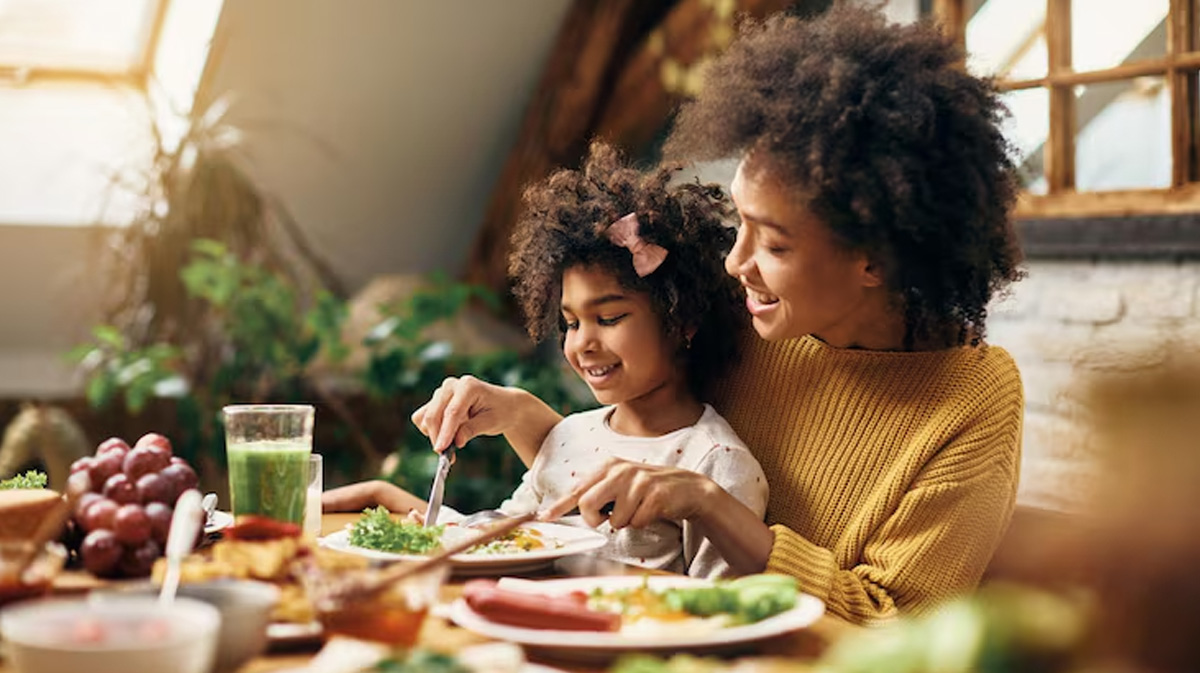
Feeding children well is one of the most important responsibilities within any family, and in Black families it also carries layers of cultural heritage, resilience, and adaptation. Food is not only fuel but memory, identity, and care. A thoughtful approach to feeding children can honor tradition while supporting long-term health and growth.
A strong foundation begins with understanding that balanced nutrition is essential for children’s physical and mental development. Meals should regularly include fruits, vegetables, whole grains, proteins, and healthy fats. These elements support brain development, immune strength, and steady energy throughout the day.
In many Black households, food traditions are deeply rooted in Southern, Caribbean, or African cuisines. These traditions are rich and meaningful, but sometimes include dishes high in salt, sugar, or saturated fats. The goal is not to abandon tradition, but to adapt recipes in ways that preserve flavor while improving nutritional value.
For example, classic comfort foods can be made healthier through simple adjustments. Baking or grilling instead of frying, using smoked turkey instead of fatty pork, or seasoning with herbs and spices instead of excess salt can make a meaningful difference. Children can still enjoy familiar tastes while benefiting from better nutrition.
Access to fresh and affordable food can be a challenge in some communities. Food deserts and limited grocery options may restrict choices. Families can respond by planning meals carefully, seeking out farmers markets, community gardens, or co-ops, and making the most of frozen or canned produce when fresh options are limited.
Teaching children about food early is essential. When children understand where food comes from and why certain choices matter, they are more likely to develop lifelong healthy habits. Involving them in grocery shopping or meal preparation can build both knowledge and confidence.
Breakfast should never be overlooked. A nutritious breakfast—such as oatmeal with fruit, eggs with whole-grain toast, or yogurt with nuts—helps children focus in school and maintain energy levels. Skipping breakfast can lead to overeating later in the day and reduced concentration.
Portion control is another key element. Children need enough food to grow, but oversized portions can lead to unhealthy weight gain. Paying attention to hunger and fullness cues helps children develop a healthy relationship with food rather than eating out of habit or emotion.
Hydration is often underestimated. Encouraging children to drink water instead of sugary beverages like soda or overly sweet juices can significantly improve their health. Water supports digestion, concentration, and overall bodily function.
Protein is vital for growth and repair. Black families can draw from a wide range of culturally relevant protein sources, including beans, lentils, fish, chicken, and lean meats. Plant-based proteins, in particular, can be both affordable and nutritious.
Fruits and vegetables should be a daily priority. These foods provide essential vitamins and minerals that protect against illness and support development. Preparing them in flavorful ways—such as roasting, seasoning, or blending into smoothies—can make them more appealing to children.
Healthy fats are also important, especially for brain development. Foods like avocados, nuts, seeds, and certain oils can be incorporated into meals without compromising taste. These fats help children feel full and support cognitive function.
Limiting processed foods is another important step. Many packaged snacks are high in sugar, sodium, and artificial ingredients. While occasional treats are fine, relying heavily on processed foods can negatively impact children’s health over time.
Cultural pride can play a powerful role in shaping healthy habits. Teaching children about traditional African and diaspora foods—many of which are naturally plant-based and nutrient-rich—can expand their palate and deepen their connection to heritage.
Family meals are an opportunity for connection and structure. Sitting down together to eat encourages better eating habits and provides a space for conversation and bonding. Children who regularly eat with their families often make healthier food choices.
It’s also important to address emotional connections to food. In some families, food is used as a reward or comfort. While this is understandable, it’s helpful to also teach children other ways to cope with emotions, such as talking, playing, or creative expression.
Physical activity should complement good nutrition. Encouraging children to stay active—whether through sports, dancing, or outdoor play—supports overall health and reinforces the benefits of proper eating.
Education and awareness are powerful tools. Parents and caregivers can seek out reliable information about nutrition and remain open to learning. Community programs, schools, and healthcare providers can also offer valuable guidance.
Affordability is a real concern for many families. Planning meals, buying in bulk, and cooking at home can help stretch resources. Simple, home-cooked meals are often healthier and more cost-effective than fast food.
Flexibility is key. No family will eat perfectly all the time, and that’s okay. The goal is consistency over perfection—making better choices most of the time while allowing room for enjoyment and celebration.
Ultimately, feeding children well is an act of love, care, and investment in the future. For Black families, it is also an opportunity to blend tradition with health, ensuring that children grow up strong, proud, and well-nourished in every sense.