Dangote’s Vision Transforming Nigeria’s Oil
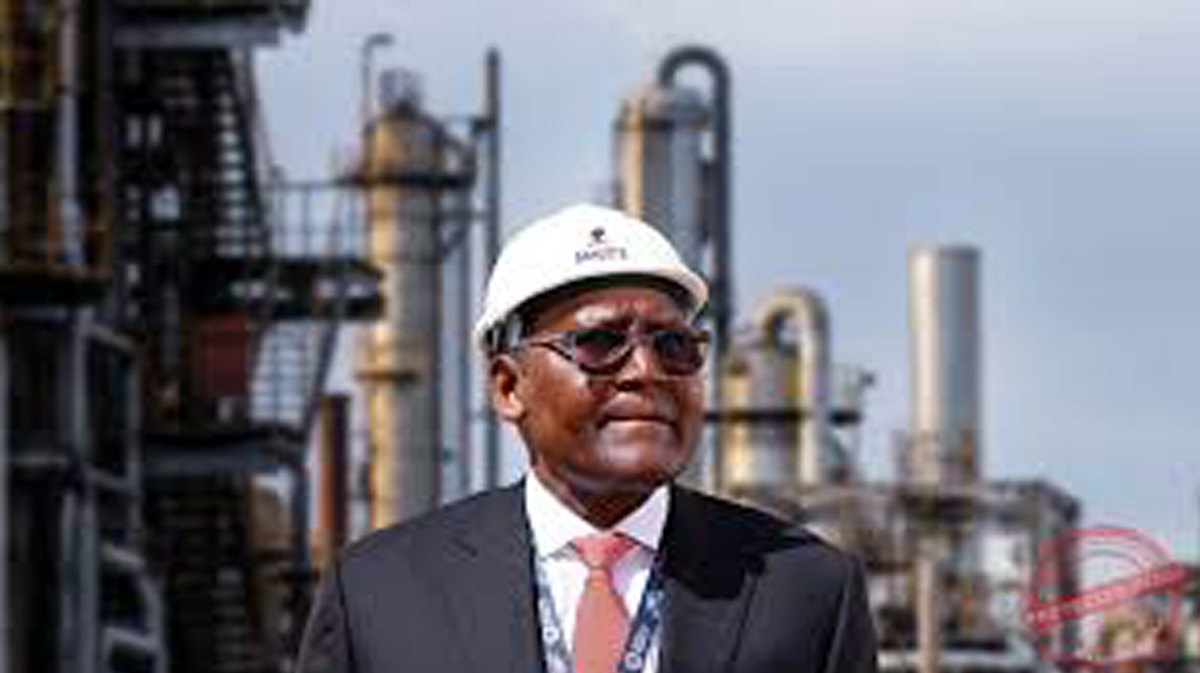
Aliko Dangote is widely regarded as one of the most influential business leaders in Africa, having built a vast industrial empire through persistence, strategic investment, and a strong understanding of regional markets. While he initially rose to prominence through industries such as cement, sugar, and flour, his expansion into oil refining represents one of the most ambitious phases of his career. This move is not simply about business growth; it reflects a broader vision of transforming Nigeria’s economy by reducing its dependence on imports and strengthening its industrial capacity. Dangote’s approach combines entrepreneurship with a form of economic nationalism, aiming to solve structural problems that have long hindered Nigeria’s development.
Nigeria’s oil sector presents a striking contradiction that has persisted for decades. Despite being one of the largest crude oil producers in the world, the country has historically lacked sufficient refining capacity to meet its own domestic needs. As a result, Nigeria has depended heavily on imported refined petroleum products such as gasoline and diesel. This reliance has strained foreign exchange reserves, contributed to fuel shortages, and exposed the country to fluctuations in global oil markets. Dangote recognized that addressing this imbalance would not only be profitable but also strategically important for national stability and growth.
At the center of this effort is the Dangote Refinery, located in the Lekki Free Trade Zone near Lagos. This facility is designed to be one of the largest single-train oil refineries in the world, with the capacity to process hundreds of thousands of barrels of crude oil per day. Its sheer scale sets it apart from most refining projects, particularly in Africa, where infrastructure limitations have often constrained industrial development. The refinery is not just a standalone plant but part of a broader industrial complex intended to support multiple sectors of the economy.
The construction of the refinery has been a massive undertaking involving years of planning, engineering, and international collaboration. The project required billions of dollars in investment and drew on expertise from various countries, reflecting its global significance. Building such a facility in Nigeria posed unique challenges, including infrastructure gaps, regulatory hurdles, and logistical complexities. To overcome these issues, Dangote’s team had to develop roads, ports, and other supporting systems, effectively creating an industrial ecosystem from the ground up.
One of the most important goals of the Dangote Refinery is to achieve fuel self-sufficiency for Nigeria. By refining crude oil domestically, the country can reduce or even eliminate its dependence on imported petroleum products. This has far-reaching economic implications, including conserving foreign exchange, improving energy security, and stabilizing fuel supply. For ordinary Nigerians, this could mean fewer fuel shortages and more predictable access to essential energy resources.
Beyond meeting domestic demand, the refinery is expected to position Nigeria as a key exporter of refined petroleum products within Africa. Many African countries face similar challenges in refining capacity and rely on imports from outside the continent. By supplying these markets, Nigeria could strengthen regional trade relationships and increase its influence in the African energy sector. This aligns with broader goals of economic integration across the continent, particularly under initiatives like the African Continental Free Trade Area.
The project also has significant implications for employment and workforce development. During its construction phase, the refinery created thousands of jobs, ranging from skilled engineering roles to general labor positions. Once fully operational, it is expected to provide long-term employment opportunities and contribute to the development of technical expertise within Nigeria. This aspect of the project highlights the potential for large-scale industrial investments to drive human capital development alongside economic growth.
Another key feature of the refinery is its integration with petrochemical production. In addition to fuels, the facility is designed to produce chemicals used in manufacturing plastics, fertilizers, and other industrial goods. This diversification adds value to Nigeria’s natural resources and supports the growth of downstream industries. By linking oil refining with manufacturing, Dangote is attempting to create a more interconnected and resilient industrial base.
Despite its promise, the refinery has faced numerous challenges throughout its development. Construction delays, cost overruns, and shifting timelines have tested the project’s resilience. These challenges are not uncommon for projects of this scale, but they have nonetheless raised questions about execution and long-term viability. However, Dangote’s persistence in pushing the project forward underscores his commitment to seeing it completed.
Securing a steady supply of crude oil is another critical factor for the refinery’s success. Nigeria’s oil production is influenced by various factors, including global market conditions, domestic policies, and security concerns in oil-producing regions. Ensuring that the refinery has consistent access to crude at competitive prices will be essential for maintaining efficient operations and profitability. This has led to ongoing discussions between Dangote’s company and government entities responsible for oil production and regulation.
Environmental considerations also play an important role in the conversation surrounding the refinery. Large-scale industrial operations can have significant environmental impacts, including air emissions, water usage, and waste management challenges. Addressing these issues requires careful planning, adherence to regulations, and the adoption of modern technologies to minimize harm. The long-term sustainability of the refinery will depend in part on how effectively these environmental concerns are managed.
From a financial perspective, the Dangote Refinery represents one of the largest private sector investments in Africa’s history. Funding such a project required a combination of personal capital, bank loans, and partnerships with international financial institutions. The scale of the investment reflects both the risks and the potential rewards associated with the venture. Its outcome will likely influence how future large-scale infrastructure projects are perceived by investors.
The refinery’s impact on fuel pricing in Nigeria is another area of interest. By increasing local supply, it has the potential to reduce costs associated with importing fuel and stabilize prices for consumers. However, pricing will still be influenced by global oil markets, government policies, and operational costs. As a result, the full effect on everyday fuel prices remains a complex and evolving issue.
Dangote’s broader vision extends beyond oil refining to encompass a more self-sufficient and industrialized Nigeria. He has consistently advocated for adding value to raw materials within the country rather than exporting them in unprocessed form. This philosophy is central to his business strategy and reflects a long-term approach to economic development. The refinery is perhaps the most visible example of this vision in action.
In conclusion, Aliko Dangote’s work in oil refining represents a bold attempt to address some of Nigeria’s most persistent economic challenges. By investing in large-scale infrastructure and focusing on value addition, he is seeking to reshape the country’s role in the global energy market. While challenges remain, the potential benefits of the project are substantial, making it one of the most closely watched industrial developments in Africa today.