Rhythms Redefining Classical Cello
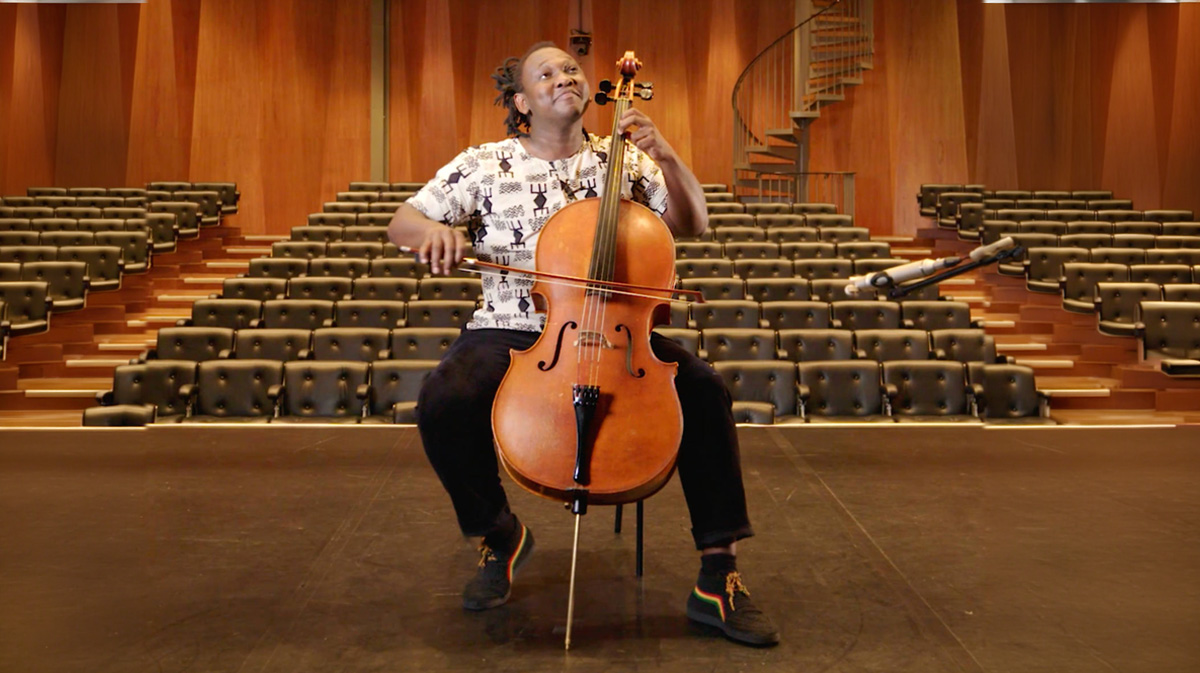
Abel Selaocoe is a South African cellist, composer, and vocalist whose work is reshaping the boundaries of classical music in the 21st century. Known for blending Western classical traditions with African musical heritage, he has emerged as a distinctive and innovative voice in the global music scene. His artistry challenges conventional expectations of what a cellist can be, incorporating not only instrumental performance but also singing, body percussion, and improvisation.
Born in Sebokeng, South Africa, Selaocoe was introduced to music at a young age through community and church settings. These early influences played a crucial role in shaping his musical identity, grounding him in traditions that emphasize rhythm, storytelling, and collective expression. Unlike many classically trained musicians, his foundation was not limited to formal instruction but was enriched by lived cultural experiences.
Selaocoe later pursued formal training in classical music, studying at institutions such as the Royal Northern College of Music in the United Kingdom. This education provided him with technical mastery of the cello and exposure to the Western classical canon. However, rather than conforming strictly to these traditions, he used his training as a platform for experimentation and innovation.
A defining feature of Selaocoe’s work is his ability to merge genres seamlessly. His performances often combine classical repertoire with African folk melodies, improvisation, and contemporary influences. This fusion creates a sound that is both familiar and entirely new, appealing to diverse audiences while challenging traditional genre boundaries.
In addition to playing the cello, Selaocoe frequently incorporates his voice into his performances. He sings in multiple languages, including those native to South Africa, adding layers of meaning and cultural depth to his music. This integration of voice and instrument creates a multidimensional performance experience that sets him apart from many of his contemporaries.
Rhythm plays a central role in Selaocoe’s musical approach. Drawing from African musical traditions, he often uses percussive techniques on the cello and his body to create complex rhythmic patterns. This emphasis on rhythm adds energy and movement to his performances, making them dynamic and engaging.
Selaocoe is also known for his collaborative work with other musicians and ensembles. He has performed with orchestras, chamber groups, and artists from a wide range of musical backgrounds. These collaborations reflect his belief in music as a universal language that transcends cultural and stylistic boundaries.
His ensemble, Bantu Ensemble, is a key part of his artistic vision. Through this group, he explores the connections between African and Western musical traditions, creating performances that celebrate cultural exchange and dialogue. The ensemble’s work highlights Selaocoe’s commitment to redefining classical music as an inclusive and evolving art form.
Selaocoe’s compositions further demonstrate his innovative approach. His original works often draw on personal experiences and cultural heritage, blending traditional melodies with contemporary techniques. These compositions expand the repertoire for cello and contribute to the ongoing evolution of classical music.
Recognition for Selaocoe’s work has grown steadily in recent years. He has received awards and critical acclaim for his performances and recordings, establishing himself as a leading figure in contemporary classical music. His ability to connect with audiences and push artistic boundaries has earned him a strong international following.
Beyond his performances, Selaocoe is also involved in educational and outreach initiatives. He is passionate about making music accessible to young people and encouraging creativity across cultures. His work in this area reflects his belief in the transformative power of music.
Ultimately, Abel Selaocoe represents a new generation of musicians who are redefining classical music for a global audience. By blending tradition with innovation, he creates work that is both rooted in heritage and forward-looking. His contributions continue to inspire and challenge the way music is performed, experienced, and understood.