Roots Of Defiant African Resistance
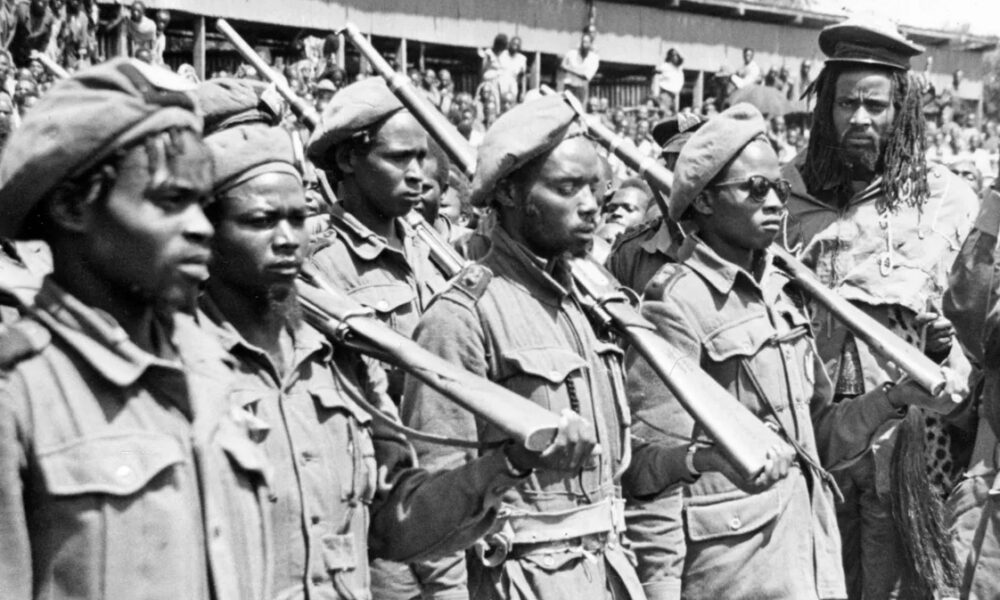
The story of the Mau Mau warriors remains one of the most powerful chapters in the history of African resistance against colonial rule. Emerging in Kenya during the 1950s, the Mau Mau movement represented a fierce struggle for land, dignity, freedom, and cultural identity. Although colonial authorities often portrayed the movement as savage and criminal, many Kenyans viewed the fighters as freedom heroes willing to sacrifice everything for independence. Their revolt shook the foundations of British colonial power in East Africa and inspired anti-colonial movements around the world.
The roots of the Mau Mau uprising can be traced to decades of British colonial occupation in Kenya. Large portions of fertile land were taken from African communities, especially the Kikuyu people, and handed over to European settlers. Africans were pushed into crowded reserves, subjected to harsh labor conditions, and denied political representation. The growing inequality created bitterness and anger among those who watched their ancestral lands disappear under foreign control. Many young men and women began to believe that peaceful appeals would never end colonial oppression.
The Mau Mau movement formally began in the early 1950s, though resistance had been building for years beneath the surface. Secret oaths bound members together in loyalty and commitment to liberation. Forest camps became bases for guerrilla fighters who launched attacks against colonial forces and collaborators. The British government declared a state of emergency in 1952, fearing that the rebellion could spread throughout the colony. What followed was a brutal conflict marked by arrests, executions, torture, and military crackdowns.
One of the most iconic aspects associated with the Mau Mau warriors was their appearance, particularly their uncut and tangled hair. In many African traditions, hair carried spiritual and cultural meaning. For some fighters, growing their hair naturally symbolized rejection of European standards and a return to African identity. Colonial authorities often viewed this appearance as threatening and uncivilized, but to many Africans it represented resistance, pride, and freedom from colonial control.
The connection between the Mau Mau fighters and dreadlocks later became deeply influential in global Black consciousness movements. Although the term “dreadlocks” became more widely associated with Rastafarian culture in Jamaica, images of Kenyan freedom fighters with locked or matted hair circulated internationally. These images symbolized rebellion against white domination and cultural erasure. For many people of African descent, the hairstyle became more than fashion; it became a political and spiritual statement rooted in anti-colonial resistance.
The British colonial administration responded to the Mau Mau revolt with extreme force. Tens of thousands of Africans were detained in prison camps where abuse and forced labor were widespread. Villages were burned, suspects were tortured, and many innocent civilians suffered greatly during the conflict. Colonial propaganda attempted to paint the uprising as purely violent fanaticism while ignoring the injustices that gave birth to the rebellion. Decades later, historical research revealed the depth of the atrocities committed during the suppression campaign.
Among the most respected figures associated with the broader Kenyan independence struggle was Jomo Kenyatta. Although the British accused him of directing the Mau Mau movement, historians continue to debate the extent of his direct involvement. What is clear is that colonial authorities saw educated African leaders and militant resistance groups as interconnected threats to imperial rule. Kenyatta’s imprisonment turned him into a symbol of African nationalism and strengthened demands for independence.
The forests of Kenya became legendary battlegrounds during the uprising. Fighters lived under extremely difficult conditions while carrying out guerrilla operations against colonial troops. Leaders such as Dedan Kimathi emerged as symbols of courage and sacrifice. Kimathi, often photographed with long hair and military attire, embodied the image of uncompromising resistance. Even after his capture and execution by the British in 1957, his legacy continued to inspire generations seeking freedom and self-determination.
The Mau Mau revolt also had psychological importance far beyond Kenya. Across Africa and the Caribbean, oppressed people saw the rebellion as proof that colonial powers were not invincible. During the 1950s and 1960s, anti-colonial struggles spread across the African continent as nations demanded independence from European empires. The determination of Mau Mau fighters became part of a wider global awakening among colonized peoples who sought to reclaim their history, languages, and traditions.
Dreadlocks eventually evolved into a worldwide symbol of spiritual consciousness, African pride, and rebellion against oppression. In Jamaica, Rastafarians connected dreadlocks to biblical teachings, African identity, and resistance to Babylon, which represented corrupt systems of domination. Influential reggae artists later helped spread this imagery globally. Yet beneath the music and fashion remained echoes of earlier African resistance movements like the Mau Mau, where natural hair symbolized refusal to conform to colonial expectations.
In modern Kenya, the legacy of the Mau Mau movement continues to be reevaluated and honored. For many years after independence, discussions about the uprising remained politically sensitive. Over time, however, former fighters gained greater recognition for their sacrifices. Memorials, books, and documentaries now acknowledge the role the movement played in ending colonial rule. In 2013, the British government formally expressed regret and agreed to compensate some Kenyan survivors who suffered torture during the colonial emergency period.
The history of the Mau Mau warriors reminds the world that struggles for freedom are often deeply connected to cultural identity and self-expression. Their rebellion was not simply about politics or territory; it was also about reclaiming humanity after years of domination and humiliation. The symbolism of dreadlocks, natural appearance, and African pride became intertwined with their fight against colonialism. Today, the Mau Mau uprising stands as a lasting testament to the courage of people who refused to surrender their land, culture, and dignity to imperial power.