WHO Declares Global Health Emergency
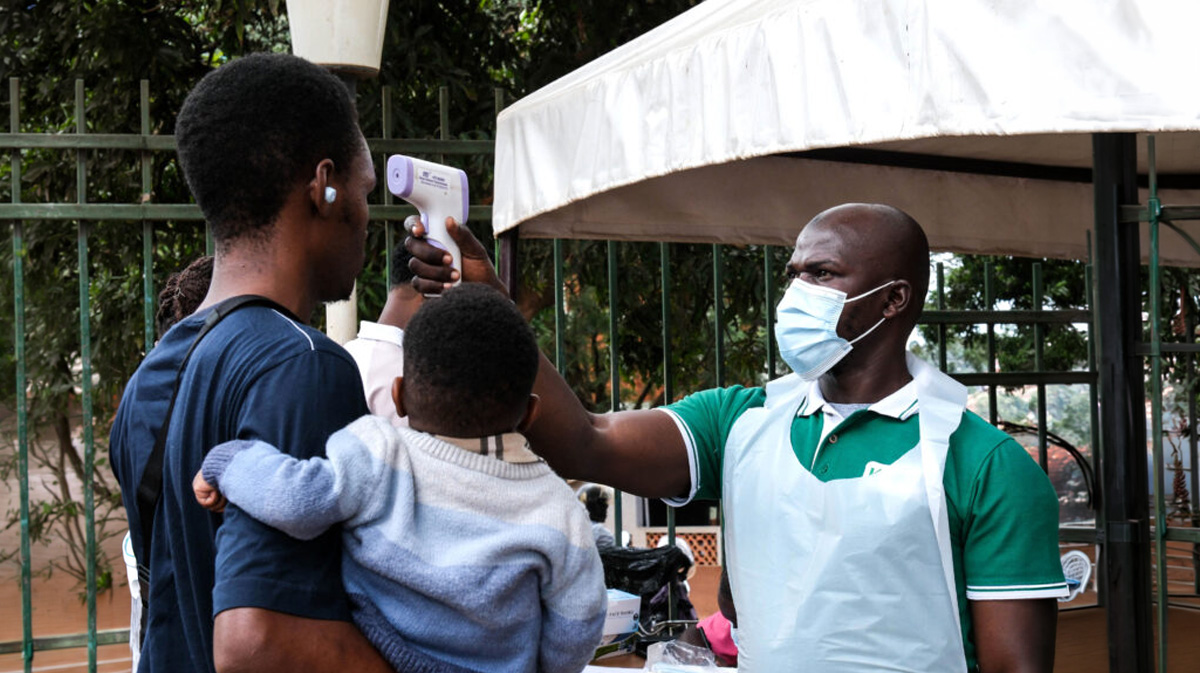
The World Health Organization (WHO) plays a central role in protecting global public health by monitoring disease outbreaks and coordinating international responses to health threats. One of its most important responsibilities is the authority to declare a global health emergency when a disease or health event poses a serious risk across borders. This declaration is officially known as a Public Health Emergency of International Concern, or PHEIC.
A global health emergency is declared when an extraordinary event threatens public health in multiple countries and requires immediate international action. The purpose of the declaration is to alert governments, healthcare systems, and organizations worldwide that urgent cooperation is needed. It encourages countries to share information, strengthen disease surveillance, and prepare medical responses.
The authority to declare a global health emergency belongs to the Director-General of the WHO. However, the decision is not made alone. The Director-General consults with a committee of international experts known as the Emergency Committee. These specialists review scientific evidence, infection rates, and the potential for global spread before making recommendations.
The International Health Regulations (IHR), established in 2005, provide the legal framework for declaring a global health emergency. Nearly every country in the world has agreed to follow these regulations. The IHR helps ensure that nations work together to prevent diseases from spreading while avoiding unnecessary disruptions to travel and trade.
Several factors are considered before a global health emergency is declared. Experts examine how severe the disease is, whether it spreads easily between people, and if it can move rapidly across international borders. They also consider whether countries have the resources needed to control the outbreak effectively.
Throughout history, WHO has declared global health emergencies for several major outbreaks. Examples include the H1N1 influenza pandemic in 2009, the Ebola outbreak in West Africa in 2014, the Zika virus outbreak in 2016, and the COVID-19 pandemic in 2020. Each declaration drew worldwide attention to the seriousness of the crisis.
The declaration of a global health emergency does not automatically impose laws or restrictions on countries. Instead, it serves as a strong international warning and provides recommendations for action. Governments decide how to respond within their own borders, but WHO guidance often influences national health policies and emergency planning.
Declaring a global health emergency can help mobilize funding, medical supplies, and scientific research. International organizations, governments, and healthcare agencies often increase support after a declaration is made. This cooperation can accelerate vaccine development, improve testing capacity, and strengthen healthcare systems in affected regions.
Communication is another important aspect of a global health emergency declaration. WHO provides regular updates, scientific guidance, and public health recommendations to help reduce confusion and misinformation. Accurate communication is essential during outbreaks because fear and rumors can spread quickly among populations.
Despite its importance, the WHO has faced criticism during some emergencies. Some experts argue that declarations have occasionally come too late, while others believe they may create unnecessary panic or economic harm. Balancing caution with urgency remains one of the greatest challenges for global health leaders.
The COVID-19 pandemic demonstrated how interconnected the world has become. A virus that began in one region quickly affected nearly every country on Earth. The pandemic highlighted the importance of strong international cooperation, rapid information sharing, and coordinated emergency responses led by organizations like WHO.
In conclusion, the World Health Organization’s ability to declare a global health emergency is a vital tool in protecting global health. By identifying dangerous outbreaks early and encouraging international collaboration, WHO helps nations respond more effectively to health crises. As diseases continue to emerge in an increasingly connected world, the role of WHO in safeguarding public health remains critically important.