Seven Scholars Redefining Academic Excellence
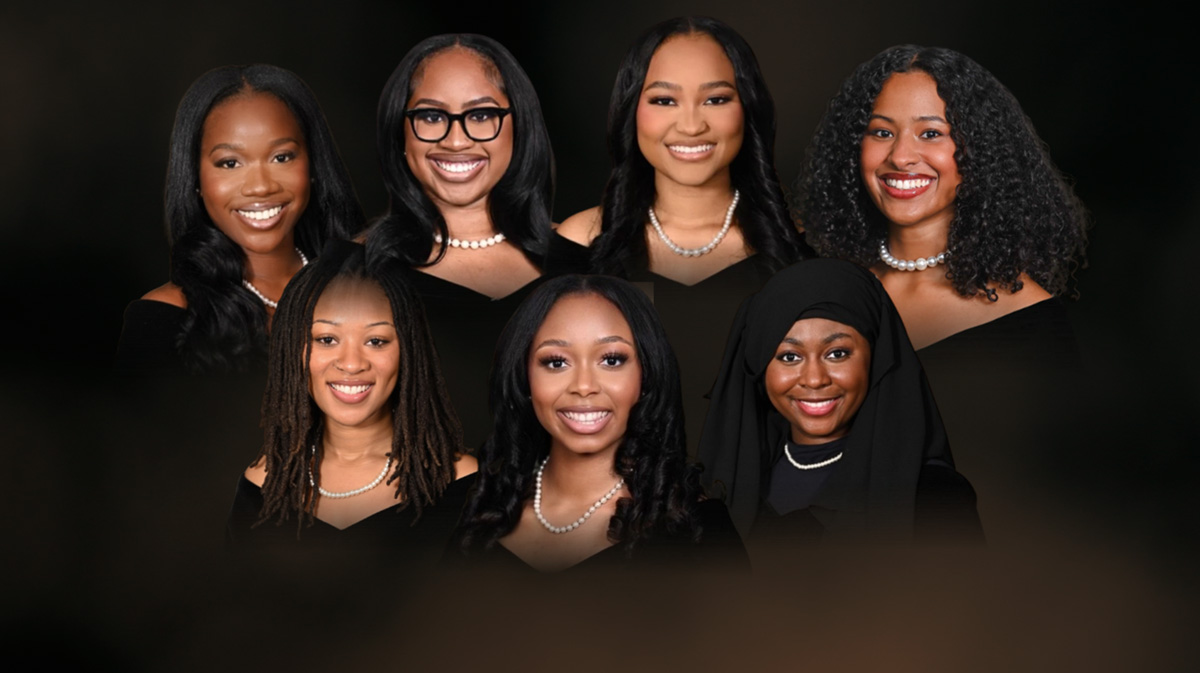
At Spelman College, the graduating Class of 2026 achieved something historic that captured national attention. For the first time in the college’s history, seven students earned the title of valedictorian after each graduating with a perfect 4.0 GPA. The achievement immediately became a symbol of Black academic excellence, sisterhood, and determination.
The group, now widely known as “The Spelman Seven,” includes Alexis Sims, Nia-Sarai Perry, Cori’Anna White, Aiyana Ringo, Alyssa Richardson, Sophia Davis, and Mariama Diallo. Together, they represent a range of disciplines from political science and philosophy to biochemistry and documentary filmmaking.
The story of these seven women is larger than grades alone. Their accomplishment reflects the academic culture that has long defined Spelman College as one of the premier historically Black colleges and universities in America. The institution has spent generations producing scholars, activists, artists, scientists, and leaders who continue shaping culture and society worldwide.
For many observers, the historic moment also challenged outdated stereotypes about Black women in higher education. The sight of seven Black women simultaneously earning valedictorian status served as a reminder that excellence is not rare within Black educational spaces. Instead, it is often nurtured through collaboration, mentorship, and community support.
According to interviews published about the students, the women emphasized that competition was never the center of their journey. Rather than attempting to outperform one another, they often motivated each other through difficult semesters, demanding coursework, and personal struggles. That collective spirit became one of the defining elements of their achievement.
Alyssa Richardson, a biochemistry major from Washington, D.C., described Spelman as a place where Black women can fully embrace leadership and intellectual growth. Her words reflected how deeply the institution’s culture shaped the confidence and identity of the graduating class.
Aiyana Ringo, a sociology major from New Orleans, spoke about the power of seeing seven Black women share such a prestigious honor. Her comments highlighted how their collective accomplishment represented more than individual success; it symbolized a broader statement about possibility and representation in academia.
The majors represented among the seven valedictorians demonstrate the diversity of Black intellectual achievement. Some focused on social sciences and public policy, while others pursued philosophy, psychology, anthropology, and filmmaking. This range shows that Black excellence cannot be confined to a single discipline or career path.
Beyond academics, many of the women balanced leadership roles, service projects, internships, and community involvement during their years at Spelman. Their success required discipline, sacrifice, and resilience. Reports noted late nights studying, demanding schedules, and the emotional weight of maintaining perfection throughout four years of college.
The timing of their accomplishment also carries symbolic importance. In a period when conversations about diversity, educational access, and representation continue across America, the emergence of “The Spelman Seven” offers a powerful example of what educational institutions can cultivate when they intentionally support young Black women.
Their historic graduation became a moment of pride not only for Spelman but for the wider HBCU community. Historically Black colleges have long produced influential leaders despite often receiving fewer resources than predominantly white institutions. The seven valedictorians stand as modern proof of the enduring strength and value of HBCUs in American education.
As these women move into careers as doctors, lawyers, filmmakers, scholars, policymakers, and advocates, their legacy will likely extend far beyond graduation day. The image of seven valedictorians standing together reminds future students that excellence does not have to be solitary. Sometimes history is made not by one individual standing alone, but by a group moving forward together in unity.