Out Of Bounds Sparks National Debate
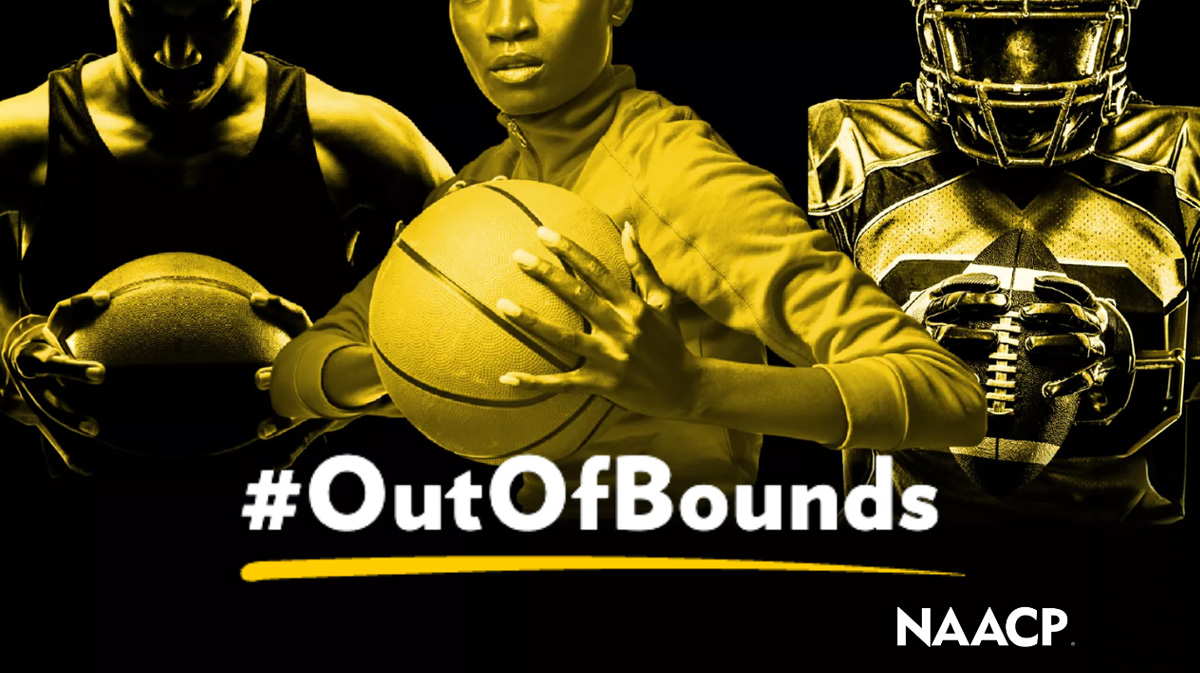
The NAACP launched its “Out of Bounds” campaign in 2026 as a direct challenge to political and social conditions in several Southern states tied to major college athletic programs. The campaign called on Black athletes, fans, alumni, and supporters to reconsider their financial and athletic participation in universities located in states accused of weakening Black voting power through congressional redistricting. The initiative immediately drew national attention because of its connection to powerhouse athletic conferences and billion-dollar college sports industries.
The campaign focused heavily on schools connected to the Southeastern Conference, one of the most powerful organizations in college athletics. Football and basketball programs within the conference generate enormous television ratings, merchandise sales, alumni donations, and recruiting influence. By targeting these schools, the NAACP aimed to apply economic and cultural pressure where it could have the greatest visibility.
According to the NAACP, the campaign was inspired by concerns over voting rights and racial representation in Southern states. Civil rights leaders argued that recent congressional district maps diluted Black political influence and reduced opportunities for fair representation. The organization believed universities benefiting from Black athletic talent should not remain silent while these political battles unfolded around them.
The phrase “Out of Bounds” was carefully chosen because it connected the language of sports with the language of justice. In athletics, being out of bounds means crossing a line or violating the rules of play. The NAACP used the phrase symbolically to argue that attacks on voting rights and representation crossed moral and democratic boundaries. The slogan quickly spread across social media and sports commentary programs.
A major element of the campaign involved recruiting. The NAACP encouraged Black high school athletes to reconsider committing to universities located in states accused of racial gerrymandering. Because Black athletes make up a significant portion of football and basketball rosters at many Southern schools, activists argued that players possessed substantial influence over the future success of these programs.
The campaign also encouraged fans and alumni to withhold financial support from targeted universities. This included ticket purchases, donations, merchandise sales, and booster contributions. Activists hoped economic pressure would force university leaders and political officials to publicly address the concerns raised by civil rights groups. Sports programs in the South often rely heavily on passionate fan bases, making financial boycotts a potentially powerful strategy.
Supporters of the movement compared it to earlier forms of sports activism during the civil rights era. Historical figures such as Muhammad Ali, Bill Russell, and Kareem Abdul-Jabbar had all used their public influence to challenge racial inequality in America. Advocates argued that modern college athletes were continuing a long tradition of sports-related activism.
Critics of the campaign questioned whether student-athletes should carry the burden of political protest. Some argued that many athletes depend on scholarships, NIL opportunities, and athletic exposure to support themselves and their families. Others believed universities should not be punished for political decisions made by state legislatures. These debates revealed the complicated relationship between sports institutions and government policies.
Media coverage of the campaign quickly expanded beyond sports journalism. Political commentators, civil rights organizations, educators, and former athletes all weighed in on the controversy. Some praised the NAACP for drawing attention to voting-rights issues in a highly visible way, while others worried the boycott could deepen divisions within college athletics and Southern communities.
The campaign also renewed conversations about the role of Black athletes in college sports economics. For decades, predominantly white universities in the South have profited tremendously from football and basketball programs featuring large numbers of Black athletes. Activists argued that this economic reality gives athletes significant cultural influence that can extend beyond the playing field.
Historically Black colleges and universities, often known as HBCUs, became an important part of the discussion surrounding the boycott. Supporters of the campaign encouraged athletes and donors to consider investing more heavily in HBCU athletic programs. Some observers suggested the movement could strengthen HBCU recruiting and visibility if prominent athletes chose those institutions over traditional powerhouse schools.
The “Out of Bounds” campaign demonstrated how deeply intertwined sports, politics, race, and economics remain in American society. What began as a boycott connected to college athletics quickly evolved into a national conversation about democracy, representation, and the responsibilities of public institutions. Whether the campaign ultimately changes recruiting patterns or political behavior, it has already shown that college sports continue to serve as one of the nation’s most influential cultural stages.