Spirit Of Freedom Through Music
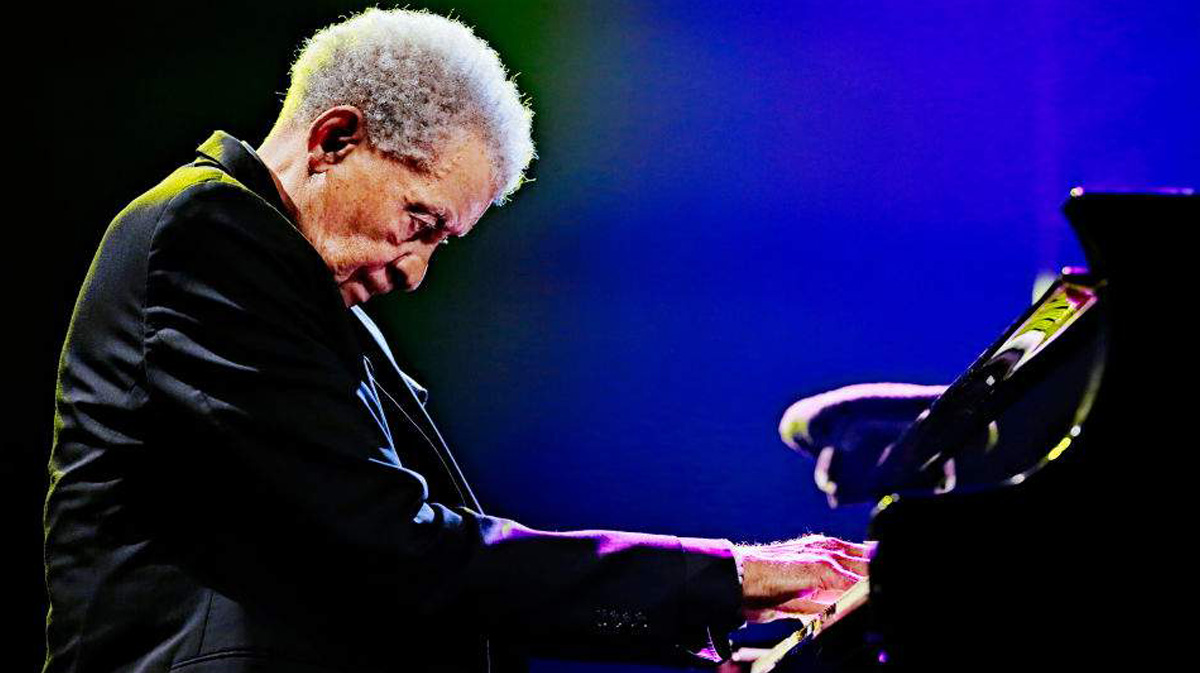
Abdullah Ibrahim, the legendary South African pianist and composer, left behind one of the most important musical legacies in modern jazz history. News of his passing at the age of 91 brought sadness to musicians and fans around the world who admired his deeply spiritual sound and unwavering commitment to justice and humanity. Known for blending African rhythms with jazz improvisation, Ibrahim created music that transcended borders, cultures, and generations. His death marked the end of an extraordinary artistic journey that lasted more than seven decades. (AP News)
Born Adolph Johannes Brand in Cape Town in 1934, Ibrahim grew up during a period of racial segregation and political oppression in South Africa. Music became both a refuge and a form of expression for him at an early age. Influenced by church hymns, African folk music, and American jazz records, he developed a style rooted in emotional honesty and cultural memory. Those early influences would later shape the signature sound that made him internationally respected.
As a young musician, Ibrahim became part of Cape Town’s vibrant jazz culture during the 1950s. He performed with local bands before helping form The Jazz Epistles, one of the first Black South African jazz groups to record an album. The group’s innovative blend of bebop and African rhythms represented artistic resistance during apartheid. Their work inspired a generation of musicians who refused to allow oppression to silence creativity.
The harsh realities of apartheid eventually forced Ibrahim into exile. Leaving South Africa was painful, but it also opened the door to international recognition. He moved through Europe before eventually settling in the United States, carrying the sounds of his homeland with him wherever he performed. His music became a powerful reflection of longing, displacement, and hope for liberation.
One of the defining moments in Ibrahim’s career came when jazz legend Duke Ellington heard him perform in Zurich during the early 1960s. Ellington immediately recognized Ibrahim’s genius and helped introduce him to international audiences. Their collaboration led to important recording opportunities and global exposure. Although deeply grateful for Ellington’s support, Ibrahim always maintained a distinctive voice rooted in African spirituality and experience.
After converting to Islam in 1968, he adopted the name Abdullah Ibrahim, leaving behind the stage name Dollar Brand. His spiritual transformation profoundly influenced both his life and music. Ibrahim believed music should heal, inspire reflection, and connect people to something greater than themselves. His performances often carried a meditative quality, filled with silence, patience, and emotional depth rather than flashy virtuosity.
Among his most famous works was the composition Mannenberg, released in the 1970s. The song became an unofficial anthem of resistance against apartheid and was embraced by South Africans fighting for freedom and equality. Its hypnotic melody and soulful energy captured the spirit of resilience within oppressed communities. Decades later, “Mannenberg” remains one of the most influential pieces in African jazz history.
Ibrahim’s music was never limited to politics alone. He composed works inspired by spirituality, nature, memory, and everyday human experiences. Whether performing solo piano concerts or leading larger ensembles, he approached music with humility and purpose. His sound often reflected the landscapes and emotional rhythms of South Africa, transforming personal experiences into universal artistic expression.
Throughout his long career, Ibrahim collaborated with major figures in jazz while continuing to mentor younger musicians. He recorded more than 70 albums and performed around the world, becoming a cultural ambassador for South Africa. His influence reached beyond jazz into film, classical music, and global artistic movements. Fellow musicians admired not only his talent but also his discipline, wisdom, and quiet dignity. (Reuters)
Following the end of apartheid, Ibrahim returned to South Africa and performed at historic national events, including the inauguration of Nelson Mandela in 1994. His music had long been associated with the freedom struggle, and his return symbolized healing and national renewal. Mandela himself deeply admired Ibrahim’s artistry and recognized the role his music played in preserving hope during difficult times.
Tributes following Ibrahim’s death described him as more than a musician. Many remembered him as a cultural activist, spiritual teacher, and global citizen whose music united people across racial and national boundaries. South African leaders, fellow artists, and jazz lovers around the world praised his lifelong commitment to justice and artistic excellence. His passing was widely viewed as the loss of a towering figure in world culture. (eNCA)
Today, the legacy of Abdullah Ibrahim continues through the timeless beauty of his recordings and compositions. His music remains a testament to survival, freedom, spirituality, and human resilience. Even in death, his melodies continue to speak across generations, reminding listeners that music possesses the power to heal wounds, preserve history, and inspire hope. Through every note he played, Abdullah Ibrahim transformed struggle into beauty and silence into enduring song.