Breaking Cycles Building Healthier Futures
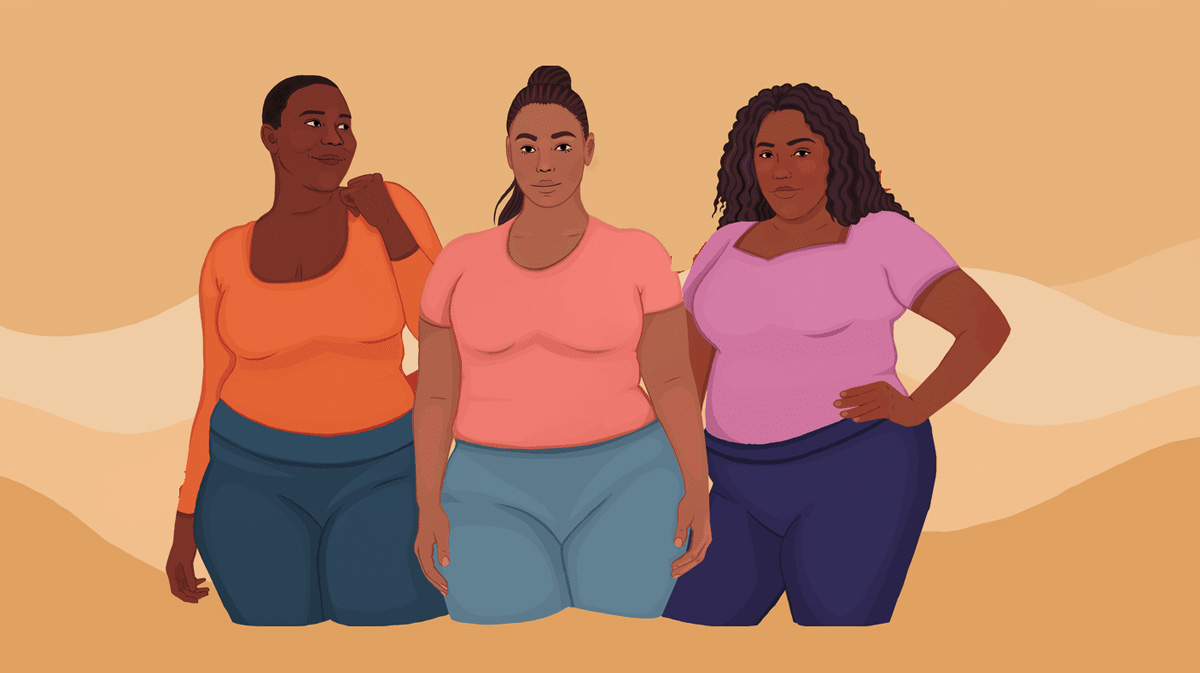
Obesity continues to be one of the most urgent health challenges facing the Black community in America. Across cities, suburbs, and rural communities, families are dealing with rising rates of diabetes, heart disease, hypertension, stroke, sleep apnea, and mobility issues that are directly connected to excess weight and poor nutrition. While obesity affects every racial and economic group, Black Americans—particularly Black women—face disproportionately high rates that demand serious attention and long-term solutions.
Health experts report that nearly 55% of Black women in America are classified as obese, while approximately 37% of Black men fall into the same category. These numbers represent far more than statistics. They reflect real people navigating physical limitations, chronic illness, emotional stress, and shorter life expectancy. The issue has become a public health crisis that touches every generation.
For many families, obesity begins with a combination of environmental, economic, cultural, and emotional factors. In many urban communities, healthy food options are limited while fast-food restaurants and convenience stores dominate the landscape. Families often live in neighborhoods where fresh produce is expensive or difficult to access, making unhealthy meals the easiest and most affordable option.
Stress also plays a major role in weight gain and long-term health problems. Financial struggles, unsafe neighborhoods, work-related pressure, racial discrimination, caregiving responsibilities, and emotional trauma can lead people to overeat or rely on unhealthy comfort foods. Chronic stress raises cortisol levels, which can contribute to increased belly fat and other metabolic issues.
One of the most dangerous forms of obesity is excess belly fat. Doctors warn that abdominal fat is not simply a cosmetic issue. Belly fat surrounds vital organs and increases the risk of heart disease, high blood pressure, Type 2 diabetes, fatty liver disease, and certain cancers. A growing waistline can become an early warning sign that serious health issues are developing internally.
Many people do not realize that someone can appear healthy on the outside while carrying dangerous levels of visceral fat internally. This hidden fat often develops from diets high in sugar, fried foods, processed carbohydrates, alcohol, and sugary drinks combined with limited physical activity. Paying attention to waist size is just as important as monitoring overall weight.
Addressing obesity in the Black community requires more than temporary dieting trends or social media fitness challenges. It demands a mindset shift. People must begin viewing health as a form of generational wealth and personal empowerment rather than punishment or restriction. Healthy living is not about perfection—it is about creating sustainable habits that improve quality of life.
Mindset changes often begin with honest self-reflection. Individuals must evaluate their eating habits, activity levels, sleep patterns, stress levels, and emotional relationship with food. Many people use food to celebrate, cope with sadness, reduce anxiety, or escape loneliness. Recognizing these patterns is an important step toward transformation.
Families also play a critical role in shaping healthy behaviors. Children often adopt the habits they see at home. If parents regularly consume fast food, sugary drinks, and oversized portions, those behaviors become normalized. On the other hand, households that prioritize cooking, exercise, hydration, and balanced meals create healthier environments for future generations.
Churches, community organizations, schools, and local leaders can also help address the obesity crisis. Health fairs, walking groups, nutrition workshops, fitness programs, and community gardens can create awareness and provide support systems that encourage healthier living. Collective action can inspire lasting change when communities work together.
One proactive step involves improving nutritional education. Many people simply were never taught how to read food labels, control portion sizes, or prepare healthier meals. Learning basic nutrition can dramatically improve decision-making and reduce dependence on processed foods filled with sodium, sugar, and unhealthy fats.
Another important step is increasing daily physical activity. Exercise does not require expensive gym memberships or complicated equipment. Walking, dancing, stretching, biking, swimming, and home workouts can all improve cardiovascular health and support weight loss. Consistency matters far more than intensity in the beginning stages of lifestyle change.
Sleep is another overlooked factor connected to obesity. Poor sleep disrupts hormones that regulate hunger and metabolism, often increasing cravings for unhealthy foods. Many adults in the Black community work multiple jobs or experience chronic stress that interferes with proper rest. Prioritizing sleep is essential for long-term health improvement.
Mental health support must also become part of the conversation. Depression, anxiety, trauma, and emotional exhaustion can contribute to overeating and unhealthy habits. Seeking therapy, counseling, spiritual guidance, or support groups should never be viewed as weakness. Emotional wellness and physical wellness are deeply connected.
Healthcare access remains another major issue. Many people delay doctor visits because of cost, lack of insurance, fear, or distrust of the healthcare system. Routine checkups can help detect high blood pressure, elevated cholesterol, prediabetes, and other warning signs before they become life-threatening conditions.
Experts often recommend six foundational steps that can help lead to a healthier lifestyle. The first is drinking more water and reducing sugary beverages. Water supports digestion, energy levels, and metabolism while helping reduce unnecessary calorie consumption.
The second step is eating more whole foods such as fruits, vegetables, lean proteins, nuts, beans, and whole grains. Reducing processed foods can significantly lower sodium, sugar, and unhealthy fat intake while improving overall nutrition.
The third step is increasing physical movement throughout the day. Even small changes like taking the stairs, walking after meals, stretching in the morning, or parking farther away can make a meaningful difference over time.
The fourth step is developing healthier sleep habits. Creating a regular sleep schedule and limiting screen time before bed can improve rest, reduce stress, and help regulate appetite-related hormones.
The fifth step is managing stress in healthy ways. Prayer, meditation, journaling, therapy, exercise, music, and spending time with supportive people can help reduce emotional eating and improve mental clarity.
The sixth step is maintaining consistency rather than chasing perfection. Sustainable change happens gradually. Missing one workout or eating one unhealthy meal does not erase progress. Long-term discipline is built through patience, persistence, and self-compassion.
Representation also matters in the health conversation. Seeing Black doctors, nutritionists, fitness trainers, wellness coaches, and healthcare advocates can help inspire trust and motivate communities to take wellness more seriously. Culturally relevant health education often resonates more effectively when delivered by trusted voices within the community.
Social media can either help or hurt efforts to combat obesity. While unrealistic body standards and misinformation can create confusion, digital platforms can also provide access to exercise routines, healthy recipes, motivational stories, and educational resources. The key is learning how to separate harmful trends from credible guidance.
The conversation around obesity must also move beyond shame and ridicule. Public humiliation rarely creates lasting change. Encouragement, education, accountability, and compassion are far more effective in helping people make healthier choices and maintain long-term progress.
Ultimately, improving health outcomes in the Black community requires both personal responsibility and systemic change. Better food access, safer neighborhoods, affordable healthcare, wellness education, and supportive community networks all matter. At the same time, individuals must make conscious daily decisions that prioritize their physical and emotional well-being.
The future of the Black community depends heavily on improving health and increasing longevity. Healthier lifestyles can lead to stronger families, lower medical costs, increased productivity, and better quality of life. By making proactive choices, recognizing the dangers of obesity and belly fat, and embracing sustainable wellness habits, communities can begin reversing dangerous trends and building healthier futures for generations to come.