Africa Deserves Permanent Security Council Representation
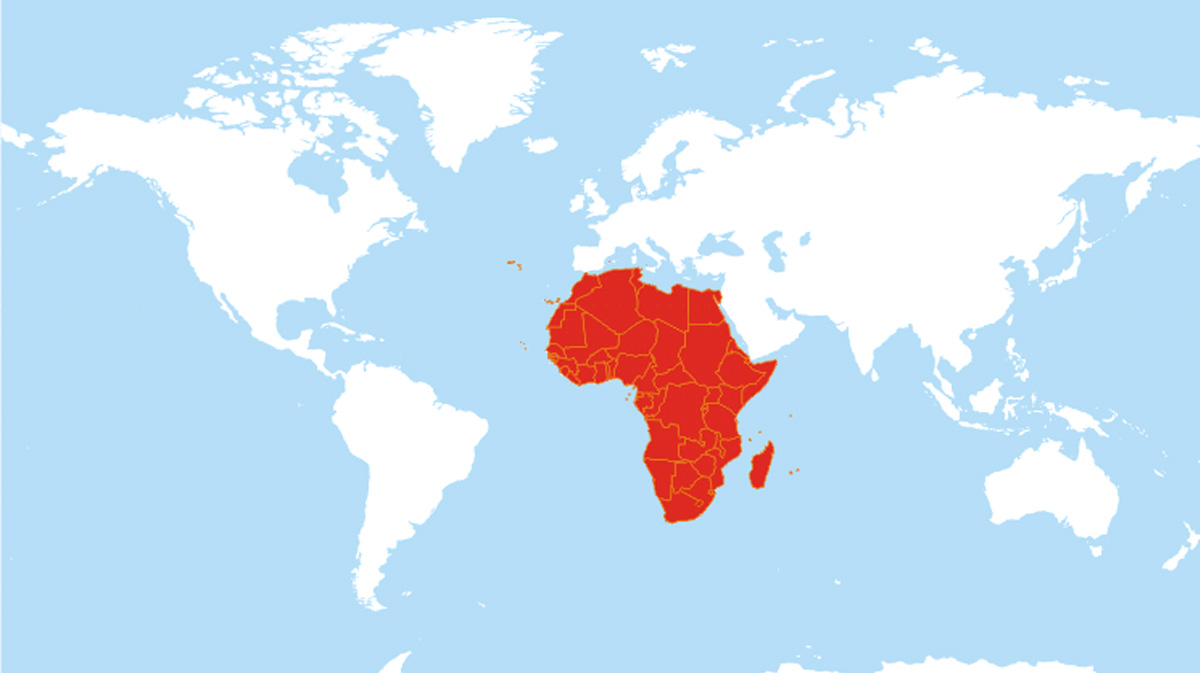
Africa is the world’s second-largest continent, home to 54 sovereign nations and more than 1.5 billion people. Despite its size, population, and growing influence, no African country holds a permanent seat on the United Nations Security Council. This absence has become one of the most debated issues in international diplomacy, with many leaders arguing that the current structure no longer reflects the realities of the twenty-first century.
The United Nations Security Council consists of 15 members, but only five countries hold permanent seats: the United States, the United Kingdom, France, Russia, and China. These five nations, often called the P5, were granted permanent status after World War II because they were the major victorious powers. They also possess veto power, allowing any one of them to block substantive Security Council resolutions.
When the United Nations was established in 1945, much of Africa remained under European colonial rule. As a result, African nations had little voice in shaping the organization’s founding principles or governance structure. Most African countries did not gain independence until the 1950s and 1960s, long after the permanent membership of the Security Council had been established.
Today, Africa represents nearly one-third of the United Nations’ member states. The continent is also the focus of many Security Council discussions involving peacekeeping, conflict resolution, humanitarian assistance, and development. Yet, the decisions affecting African nations are often made without permanent African representation in the council’s highest decision-making body.
Many African leaders argue that this imbalance weakens the legitimacy of the Security Council. Organizations such as the African Union have consistently called for reform, insisting that Africa should receive at least two permanent seats with full veto powers if the veto system remains in place. Their position is outlined in what is known as the Ezulwini Consensus, which reflects Africa’s collective demand for fair representation.
Supporters of reform contend that permanent African representation would provide firsthand perspectives on regional conflicts and development challenges. African diplomats often possess deep knowledge of the continent’s political, economic, and cultural complexities, allowing them to contribute valuable insights that may not always be fully appreciated by countries outside the region.
Several African nations have been suggested as possible candidates for permanent membership. Countries such as Nigeria, South Africa, and Egypt are frequently mentioned because of their economic strength, regional influence, diplomatic experience, and contributions to United Nations peacekeeping missions. However, no consensus has emerged regarding which countries should occupy any future permanent seats.
Opponents of expanding permanent membership argue that adding more veto-holding members could make the Security Council even more difficult to manage. Others believe that reform should focus on increasing the number of elected, non-permanent seats instead. Because any significant change to the Security Council requires approval from the current permanent members, reform efforts have repeatedly stalled.
The debate over African representation is part of a broader discussion about modernizing the United Nations. The geopolitical landscape has changed dramatically since 1945. Emerging economies, shifting populations, and new global challenges have led many governments and scholars to argue that the Security Council should better reflect today’s world rather than the post-World War II order.
Whether or not reform occurs, the question of Africa’s permanent representation remains central to conversations about fairness, equity, and global governance. As Africa’s population, economic influence, and diplomatic role continue to expand, many believe that giving the continent a permanent voice on the Security Council would strengthen the credibility, inclusiveness, and effectiveness of the United Nations in addressing the challenges of the future.