Velvet Nights With Hartman
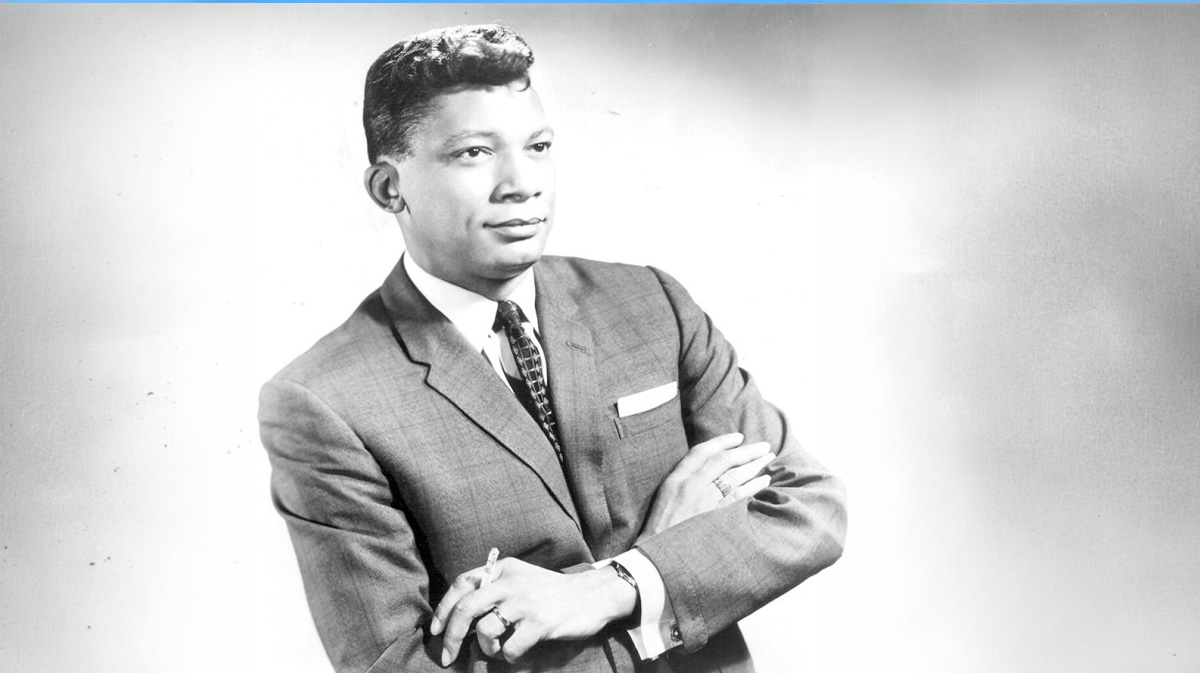
Among the great voices to emerge from the golden age of jazz, Johnny Hartman possessed a style that was smooth, elegant, and emotionally rich. His deep baritone voice carried a warmth that immediately captured listeners and set him apart from many singers of his era. Hartman never relied on flashy vocal tricks or dramatic performances. Instead, he allowed the lyrics, phrasing, and emotional honesty of each song to create an intimate connection with audiences. His recordings continue to stand as examples of timeless sophistication in American music.
Born in Louisiana and raised in Chicago, Hartman grew up surrounded by the sounds of gospel, blues, and jazz. Music became an important part of his life at an early age, and he quickly discovered that his rich voice could command attention. As a young performer, he entered amateur contests and local showcases, gaining confidence and experience before eventually pursuing a professional singing career. His early years helped shape the polished vocal style that later became his signature.
Hartman’s career began to gain momentum when he joined the orchestra of legendary bandleader Earl Hines. Singing with Hines exposed Hartman to major audiences and gave him the opportunity to refine his stage presence. During this period, many talented musicians passed through the Hines orchestra, including future jazz legends. Hartman’s smooth delivery immediately distinguished him, and audiences responded positively to the calm confidence of his performances.
Throughout the 1940s and 1950s, Hartman performed with several prominent jazz ensembles while steadily building his reputation as a romantic ballad singer. Although he never achieved the massive commercial fame of some pop vocalists, he became deeply respected within jazz circles. His ability to interpret lyrics with subtle emotion made him a favorite among listeners who appreciated sophistication and artistry over commercial trends. Critics often praised the way he could make even familiar songs sound deeply personal.
One of the defining moments of Hartman’s career came through his collaboration with legendary saxophonist John Coltrane. Their 1963 album, John Coltrane and Johnny Hartman, remains one of the most beloved vocal jazz recordings ever created. The project combined Coltrane’s spiritual and expressive saxophone style with Hartman’s velvety voice to produce a recording filled with intimacy and elegance. Songs such as “My One and Only Love” and “Lush Life” became enduring classics because of the emotional chemistry between the two artists.
The Coltrane collaboration introduced Hartman to a wider audience and elevated his place in jazz history. Many music historians consider the album a masterpiece because it perfectly balanced instrumental brilliance with vocal restraint. Hartman understood that every note did not need to overpower the listener. Instead, he sang with patience and grace, allowing the beauty of the melodies to breathe naturally. That quiet confidence became one of the defining characteristics of his artistry.
Hartman’s voice was often described as comforting and luxurious. Unlike singers who emphasized dramatic range or explosive power, Hartman specialized in intimacy. Listening to him often felt like hearing a private conversation late at night in a quiet jazz club. His interpretations of standards such as “Misty,” “The More I See You,” and “September in the Rain” revealed his remarkable ability to communicate romance, longing, and reflection with extraordinary subtlety.
Despite his immense talent, Hartman’s career did not always receive the recognition it deserved during his lifetime. The changing musical landscape of the 1960s and 1970s brought the rise of rock music and shifting commercial tastes that often overshadowed traditional jazz vocalists. Yet Hartman remained committed to his craft. He continued recording and performing for loyal audiences who appreciated the timeless beauty of his style and the emotional honesty in his voice.
In later years, a new generation of listeners began rediscovering Hartman’s music. Jazz enthusiasts and younger artists admired the emotional depth and technical precision of his recordings. His music appeared in films, television programs, and curated jazz collections that introduced his artistry to audiences unfamiliar with classic vocal jazz. Through these rediscoveries, Hartman’s reputation steadily grew beyond the dedicated jazz community.
Many modern singers have cited Hartman as an influence because of his remarkable phrasing and control. He demonstrated that great singing is not always about volume or complexity. Sometimes the most powerful performances come through simplicity, sincerity, and emotional connection. His careful attention to lyrics allowed every song to feel meaningful and personal. That approach continues to inspire vocalists across jazz, R&B, and soul music today.
Hartman also represented a level of elegance that defined a particular era of jazz culture. Whether dressed in formal attire on stage or standing beside world-class musicians in recording studios, he projected dignity and refinement. His performances reflected discipline, professionalism, and deep respect for the music itself. That sophistication became an important part of his enduring image and legacy.
Today, Johnny Hartman is remembered as one of the finest ballad singers in jazz history. His recordings continue to resonate with listeners who appreciate timeless artistry and emotional authenticity. Long after his passing, his voice still carries the same warmth and grace that once filled smoky jazz clubs and concert halls. In an age often driven by speed and spectacle, Johnny Hartman’s music remains a reminder that true artistry can be quiet, elegant, and unforgettable.