Meeting Black Communities Where They Are
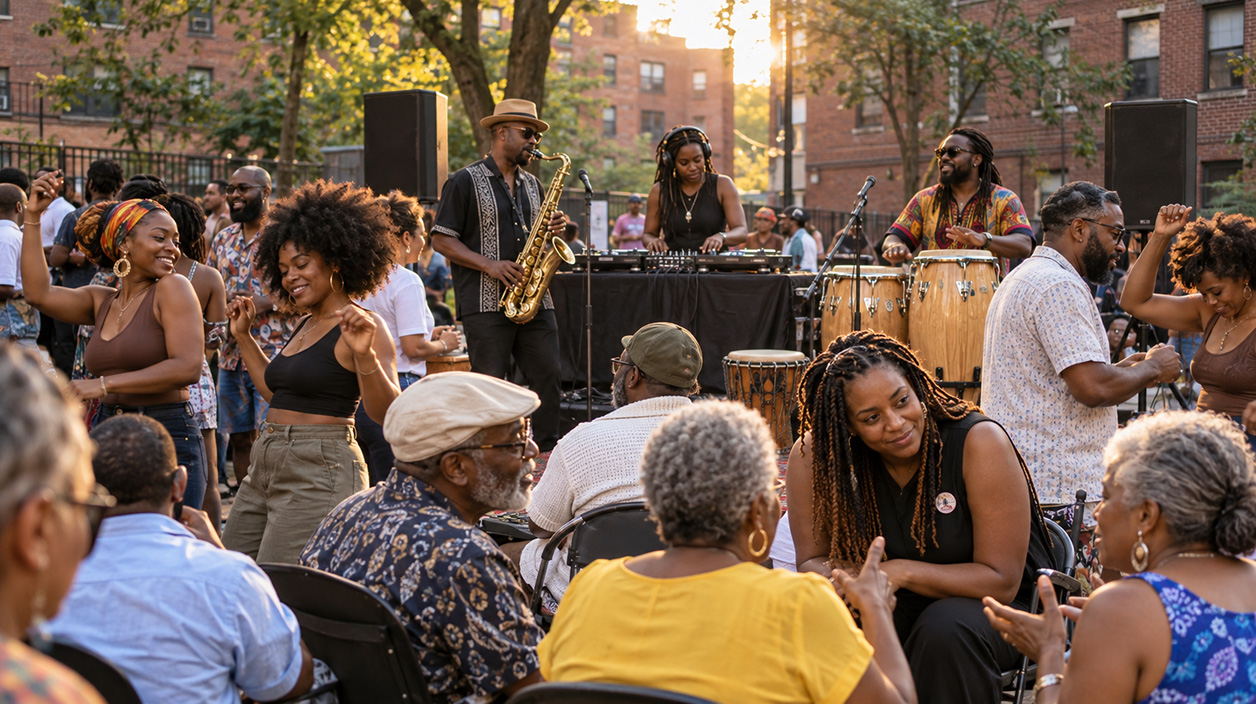
Black culture is rich, diverse, and constantly evolving, shaped by generations of history, creativity, struggle, and celebration. Yet an important question remains about how cultural institutions, artists, and community organizations connect with the people they hope to serve. Must individuals demonstrate a particular level of cultural knowledge or appreciation before they can be considered connected to their heritage? Or should we begin by understanding people where they are, respecting their experiences, interests, and relationship to Black culture? These questions deserve serious consideration, particularly when cultural events attract dramatically different audiences.
A recent observation at three musical events illustrates this challenge. A jazz performance attracted relatively few people, while a house music party held weeks later filled the venue. A soca event also drew a substantial crowd. Although all three musical traditions have connections to Black cultural expression, their audiences responded differently. This contrast raises questions about how people engage with music, community, and cultural identity. Rather than concluding that one audience appreciates Black culture more than another, we should investigate what makes particular experiences appealing, accessible, and meaningful to different groups of people.
The cultural critic bell hooks offers a useful starting point through her examination of race, representation, and lived experience. Her work encourages us to look beyond simplistic assumptions about Black identity and consider how social circumstances influence people’s interests and opportunities. Applied to music, this perspective suggests that someone who rarely attends jazz concerts should not automatically be regarded as disconnected from Black culture. That person may have grown up surrounded by gospel, hip-hop, R&B, or other musical traditions that shaped their understanding of community. The challenge is to recognize these existing connections rather than judge people according to a predetermined standard of cultural appreciation.
Cultural theorist Stuart Hall provides another important perspective by examining how people interpret cultural messages differently. A concert promoter may regard a jazz performance as an opportunity to experience an important musical tradition, while a potential attendee may be looking for an enjoyable evening with friends. A house music party may promise dancing, familiar rhythms, and social interaction, while a soca event may evoke Caribbean heritage, carnival traditions, and collective celebration. These experiences offer different forms of engagement. Understanding those differences requires listening to audiences rather than assuming that everyone values the same cultural experiences for the same reasons.
Scholar Henry Louis Gates Jr. has explored the diversity of Black history, literature, and cultural expression. His broader intellectual perspective reminds us that Black identity cannot be reduced to a single set of interests, traditions, or expectations. African Americans, Caribbean people, African immigrants, and members of other Black communities may share important historical experiences while maintaining distinct cultural practices. Even within a single neighborhood, individuals differ in age, education, religion, musical taste, and personal experience. Someone may know the history of hip-hop intimately but have little familiarity with jazz. Another person may appreciate classical music or gospel without enjoying house music. None of these preferences alone determines the depth of a person’s cultural connection.
The writing of Toni Morrison also offers insight into the importance of respecting the knowledge people acquire through everyday life. Cultural understanding does not come exclusively from formal education, museums, historical lectures, or exposure to celebrated artists. It develops through family traditions, neighborhood relationships, storytelling, religious gatherings, dancing, and shared experiences. People carry cultural knowledge in many forms, even when they cannot explain it in academic language. Consequently, introducing someone to jazz should not require that person to possess an existing understanding of its history or artistic significance. A more effective approach might connect jazz to familiar musical traditions, contemporary artists, hip-hop samples, or the rhythms of Caribbean music.
These perspectives suggest the need for a different approach to cultural programming. Instead of expecting audiences to come to cultural institutions on established terms, organizers can build bridges between familiar interests and unfamiliar experiences. Jazz performances might incorporate conversations about the genre’s influence on contemporary music, feature collaborations with R&B artists, or create opportunities for audiences to experience the music in a more social setting. Such approaches would not diminish jazz’s artistic importance. Rather, they would make its history and creative possibilities accessible to people who might otherwise feel that the music is not intended for them. Cultural education becomes more effective when curiosity is encouraged instead of cultural inadequacy being implied.
There are also practical considerations that deserve attention. Attendance depends on more than cultural interest. Ticket prices, advertising, transportation, scheduling, artist recognition, venue atmosphere, and word of mouth can all influence whether people attend an event. Organizers should speak with attendees and those who chose not to attend before attributing disappointing turnout to a lack of cultural awareness. They might discover that people were unfamiliar with the performers, did not understand the event’s format, or simply preferred a more interactive experience. Gathering this information can help cultural organizations develop programs that reflect community interests while introducing audiences to new artistic traditions.
Meeting people where they are does not mean abandoning cultural preservation or assuming that audiences should never be challenged to explore unfamiliar experiences. It means recognizing that appreciation cannot be demanded and that cultural identity should not become a test people must pass. There is a difference between inviting someone to discover jazz and suggesting that their Black identity is somehow incomplete because they do not already appreciate it. Cultural institutions can maintain high artistic standards while making their programming more welcoming. The goal should be to create opportunities for discovery, encourage meaningful participation, and respect the different paths through which people develop an appreciation for their heritage.
Ultimately, the relationship between Black communities and their cultural institutions should be built on curiosity, respect, and mutual understanding. The question is not whether jazz, house, or soca represents a more authentic expression of Black culture, but how each tradition contributes to a broader cultural landscape. Artists, promoters, educators, and community leaders must be willing to listen to the people they hope to reach. Rather than asking why people do not appreciate the culture in the expected way, they should ask how that culture can become meaningful in people’s lives. When cultural preservation is combined with genuine understanding, communities have a greater opportunity to connect across generations, experiences, and musical preferences. The ultimate responsibility is not to demand that people prove their cultural knowledge, but to create welcoming pathways through which that knowledge can grow.