McCoy Tyner’s Enduring Musical Legacy
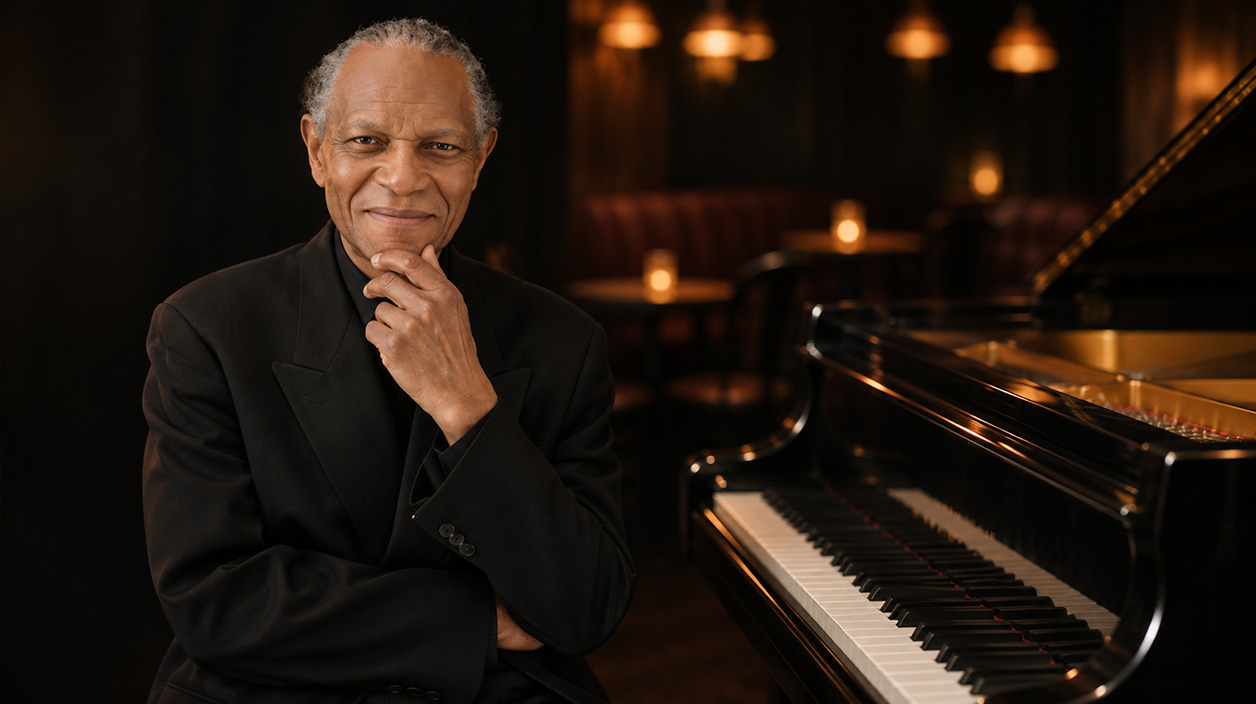
McCoy Tyner transformed the sound of modern jazz through piano playing that combined extraordinary power, harmonic imagination, and emotional depth. As a pianist, composer, and bandleader, he developed a musical identity that listeners could recognize within a few chords. His work with John Coltrane helped shape some of jazz’s most influential recordings, while his extensive career as a leader established an artistic legacy reaching far beyond that partnership.
Born on December 11, 1938, in Philadelphia, Pennsylvania, Tyner grew up in a city with a thriving musical community. He began studying piano at age 13 and developed his skills through formal instruction and practical experience. Bud Powell, Art Tatum, and Thelonious Monk were important early influences. By his teenage years, he was performing locally, absorbing the discipline and creative energy of musicians who treated jazz as both a demanding craft and a means of personal expression.
An important early opportunity came when Tyner joined the Jazztet, the ensemble led by saxophonist Benny Golson and trumpeter Art Farmer. The group provided valuable experience in a professional setting, strengthening his ability to support soloists while contributing his own musical ideas. His time with the ensemble was relatively brief, but it helped introduce him to a wider audience before he joined John Coltrane’s group in 1960.
Tyner became an essential member of Coltrane’s classic quartet alongside bassist Jimmy Garrison and drummer Elvin Jones. His piano supplied a powerful harmonic foundation while allowing Coltrane room to explore increasingly adventurous improvisations. Recordings such as My Favorite Things and A Love Supreme demonstrate how vital that balance became. Tyner could sustain the music’s momentum while responding to its changing emotional intensity, contributing to an ensemble whose influence continues across generations.
His distinctive sound emerged partly from his use of chords built around fourths, which gave his harmonies an open, resonant quality. His forceful left hand could establish a commanding rhythmic presence, while his right hand delivered flowing lines and sharply defined melodic figures. Yet describing his playing only in terms of strength misses its sensitivity. The contrast between ringing chords, delicate passages, and carefully placed silences gave his performances their breadth and expressive character.
After leaving Coltrane’s group in late 1965, Tyner continued developing his voice as a leader. His 1967 Blue Note album, The Real McCoy, became a landmark recording, featuring saxophonist Joe Henderson, bassist Ron Carter, and drummer Elvin Jones. Compositions including “Passion Dance,” “Contemplation,” and “Blues on the Corner” revealed the range of his writing. The album moved between rhythmic urgency and reflection, demonstrating how effectively his musical ideas could anchor an ensemble of his own.
During the 1970s, Tyner expanded his musical palette through recordings that explored larger forms, varied instrumentation, and different ensemble textures. Sahara, released in 1972, stands among the major statements of this period. Other projects, including Enlightenment and Fly with the Wind, showed his willingness to pursue new settings for his compositions. His curiosity extended beyond conventional piano-group arrangements, allowing his music to grow while retaining its recognizable rhythmic drive and harmonic character.
Tyner also contributed to an extraordinary range of recordings by other musicians. His Blue Note appearances included sessions with Freddie Hubbard, Joe Henderson, Wayne Shorter, Bobby Hutcherson, Grant Green, and Stanley Turrentine. These collaborations show how readily his individual sound could strengthen different musical settings. Whether accompanying a saxophonist’s searching improvisation or supporting a carefully structured composition, he brought clarity, momentum, and a strong sense of musical purpose to the ensemble.
Recognition of Tyner’s achievements included his designation as a National Endowment for the Arts Jazz Master in 2002. His later work continued to demonstrate an interest in collaboration and discovery. The 2008 album Guitars placed him alongside musicians including Bill Frisell, John Scofield, Derek Trucks, Marc Ribot, and Béla Fleck, with Ron Carter and Jack DeJohnette providing the rhythm section. Such projects reflected an artist who continued seeking fresh conversations within his established musical language.
Tyner died on March 6, 2020, at age 81, leaving a body of work that remains central to the study and enjoyment of jazz piano. His legacy lives in the musicians who draw from his harmonies, the ensembles that perform his compositions, and the listeners who continue discovering his recordings. He demonstrated how a pianist could combine authority with openness, creating a sound powerful enough to define an era and flexible enough to inspire possibilities beyond it.