Reclaiming Great-Great-Grandfather’s Land

In the late 1800s, William Dove, a man who had once been enslaved, accomplished something extraordinary. With $210, he purchased 36 acres of land in Potomac, Maryland. For Dove, buying land wasn’t just about property; it was an act of defiance, an investment in his family’s future, and a claim that Black people belonged in America’s story.
That hard-won land, however, didn’t stay in the family. Through decades of discriminatory practices and government maneuvers like eminent domain, the Dove land was gradually stripped away. By the time Dove’s descendants were born, Montgomery County and developers had consumed the acres he’d sacrificed so much to secure.
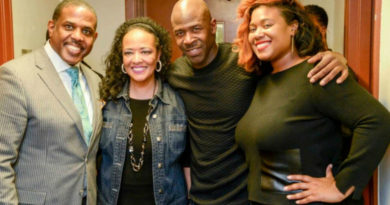
For sisters LaTisha Gasaway-Paul, Teresa Gasaway-Gleaton, and LaTrice Gasaway-Johnson, the story of lost land was woven into their upbringing. The tales, passed down by their grandmother, were laced with both heartache and unwavering determination. She urged them to never forget this legacy and the injustice their ancestor endured.
Heeding their grandmother’s plea, the sisters channeled remembrance into action. Today, they run Montgomery County’s largest Black-owned childcare business and host the region’s biggest Juneteenth festival, a vibrant reminder of community resilience. But their most ambitious mission is reclaiming land that once belonged to William Dove—transforming it into affordable housing for the descendants of those displaced.
The sisters’ strategy is multifaceted and powered by collective purpose. Their childcare business doesn’t just provide crucial support for families—it generates the economic strength fueling their advocacy and community projects. It’s a resource their forebears were denied, but one they now use to rebuild and restore.
Every dollar they earn is invested back into Scotland, Maryland—a historic Black community founded by formerly enslaved people and now one of the last survivors among nearly 40 such settlements. In this act of reinvestment, the sisters memorialize what was lost while reversing the generational impacts of displacement.
Their dream for the reclaimed land is vivid: new homes, gardens, and playgrounds for William Dove’s descendants. LaTrice envisions a space filled with beauty and intention, a development designed to reflect the legacy and character of the Black families who have lived in Scotland for five generations.
Securing the land has not been easy. The sisters have tirelessly built alliances with government officials, business leaders, attorneys, and a community “village” of supporters. Their persistent labor has been recognized by county councils and state leaders, and every step brings them closer to their goal. They insist their quest is not about charity—it’s about justice.
Central to their work is their annual Juneteenth festival. More than a celebration, it is an act of activism—educating thousands about Scotland’s story, its erasure, and the fight to reclaim what was taken. Gathering as a community for joy and remembrance is, to them, a powerful form of protest and coalition-building.
Momentum gained a boost when the Scotland African Methodist Episcopal Zion Church received a $1 million donation from the Marriott Foundation in 2024, providing hope and resources for restoration. The sisters also united leaders from other historic Black communities, building a coalition to address displacement and erasure collectively instead of in isolation.
Land ownership, LaTrice asserts, is a cornerstone of generational security. Knowing their great-great-grandfather was a landowner shaped how the sisters moved through life and deepened their commitment to reclaiming what was lost. It’s about more than history—it’s about ensuring Black families can build, thrive, and pass on a legacy.
The Gasaway sisters see their work as a blueprint. If Scotland can regain and restore its land, other Black communities can too. They envision an intergenerational haven—home to community gardens, childcare centers, a heritage center, and economic opportunities centering Black families, not pushing them out.
Their story is a testament to what’s possible when memory, love, and collective action meet. William Dove invested $210 in a future he wouldn’t see; his descendants are investing their very lives so that his dream of belonging and legacy finally becomes reality.