Questlove Chronicles Musical Elements Legacy
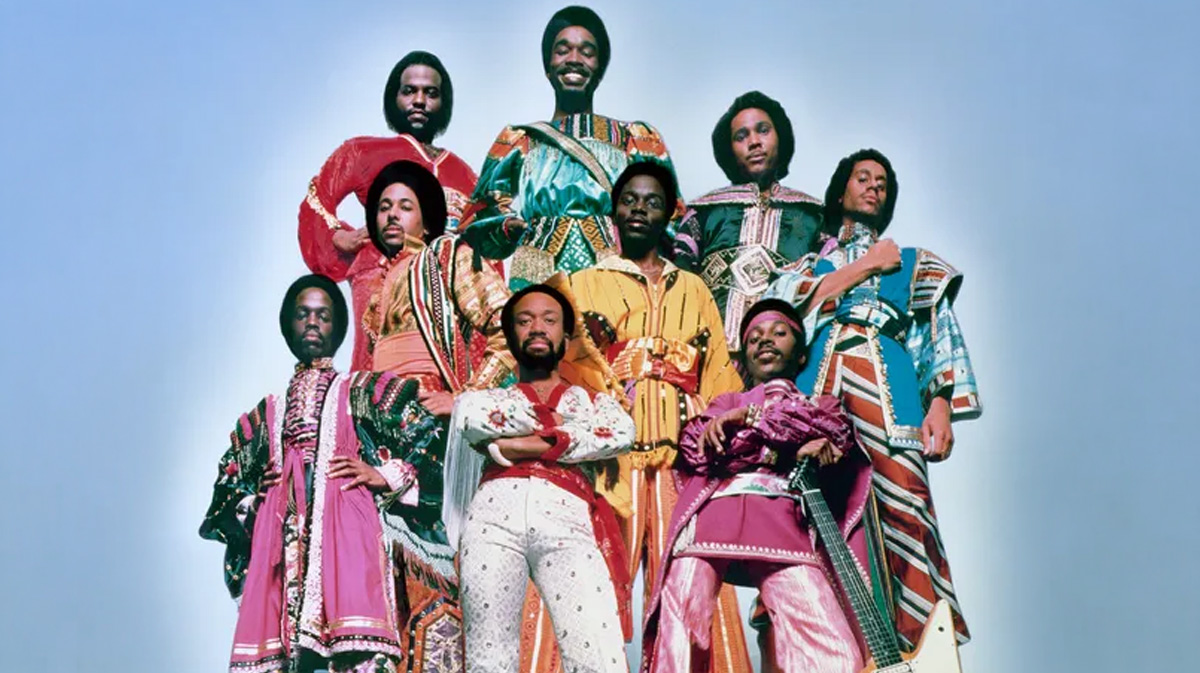
The new Earth, Wind & Fire documentary directed by Questlove offers a sweeping look at one of the most influential bands in American music history. Titled Earth, Wind & Fire (To Be Celestial vs. That’s the Weight of the World), the film explores the group’s rise, artistic vision, cultural impact, and enduring legacy. The documentary premiered at the Tribeca Festival before its HBO release and has been praised for its depth and emotional storytelling.
Rather than focusing only on hit songs, Questlove examines the philosophy that guided Earth, Wind & Fire from its earliest days. The documentary presents the band as more than entertainers, highlighting their role as cultural visionaries who blended spirituality, optimism, and musical innovation into a unique artistic identity.
At the center of the story is Maurice White, whose imagination and leadership shaped the group’s sound and message. The film portrays White as a creative force who merged soul, jazz, funk, African traditions, and metaphysical ideas into a musical movement that inspired millions.
Questlove uses rare archival footage, photographs, recordings, and interviews to reconstruct the band’s journey from Chicago roots to worldwide fame. Viewers are given access to materials that reveal the dedication, discipline, and vision required to build one of the most successful bands of the twentieth century.
The documentary pays special attention to the musical chemistry among members such as Philip Bailey, Verdine White, Ralph Johnson, and other key contributors. Their reflections help explain how the group maintained a sound that was both sophisticated and accessible.
One of the film’s strengths is its examination of classic songs such as “September,” “Shining Star,” “Fantasy,” and “Reasons.” These recordings are presented not merely as chart-topping hits but as expressions of joy, resilience, and Black creativity during periods of significant social change.
Questlove also explores the band’s visual presentation. Earth, Wind & Fire’s elaborate stage productions, futuristic costumes, and spectacular live performances helped redefine what a concert experience could be. Their shows combined music, theater, and spirituality in ways that influenced generations of performers.
The film does not avoid difficult subjects. It examines tensions within the group regarding finances, management, and recognition. Former members discuss disagreements that eventually contributed to the breakup of the original lineup, offering a more complete and honest portrait of the band’s history.
A recurring theme throughout the documentary is hope. Questlove emphasizes that Earth, Wind & Fire consistently communicated positive messages at a time when many Americans were confronting uncertainty and social upheaval. Their music encouraged audiences to believe in themselves and imagine a brighter future.
The documentary also highlights the band’s influence on later generations of musicians. Artists from numerous genres have borrowed from Earth, Wind & Fire’s arrangements, vocal harmonies, rhythms, and commitment to musical excellence. Their impact continues to be felt across contemporary popular music.
Notable voices appear throughout the film, including comments from public figures and fellow musicians who explain how Earth, Wind & Fire expanded artistic possibilities. These testimonials reinforce the band’s status as one of the defining musical institutions of modern American culture.
Ultimately, Questlove’s documentary serves as both a celebration and a historical record. It honors the genius of Maurice White and his collaborators while preserving the story of a group whose music continues to unite audiences across generations. Through careful research, emotional insight, and a deep appreciation for Black musical history, the film confirms Earth, Wind & Fire’s place among the greatest bands ever assembled.