Natural Hair, Enduring Black Pride
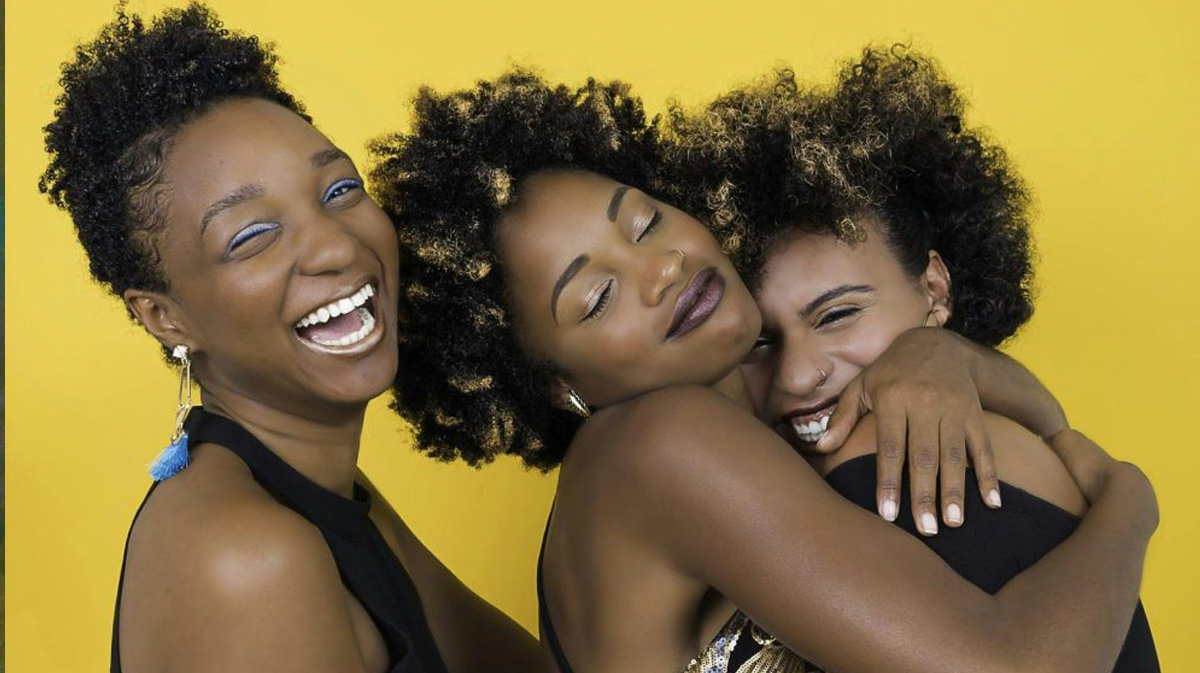
The movement of Black women embracing their natural hair represents far more than a beauty trend. It is a powerful cultural, social, and political statement rooted in history, identity, and self-acceptance. For generations, Black women have challenged narrow beauty standards by celebrating the unique textures, styles, and versatility of natural hair. The natural hair movement continues to inspire confidence while encouraging people to appreciate the beauty found in diversity.
Throughout American history, Eurocentric beauty ideals often defined what was considered professional, attractive, or acceptable. Straight hair became associated with success and opportunity, leading many Black women to rely on hot combs, chemical relaxers, and wigs to conform to societal expectations. While these choices were often made for practical reasons, they also reflected the pressure many women felt to fit into environments that did not embrace their natural appearance.
The modern natural hair movement began gaining momentum during the Civil Rights and Black Power movements of the 1960s and 1970s. Wearing an Afro became a symbol of Black pride, cultural awareness, and resistance against racial discrimination. Activists, artists, and community leaders proudly wore natural hairstyles to demonstrate that Black features were beautiful and worthy of celebration rather than concealment.
In the decades that followed, beauty standards shifted once again, and chemical straighteners regained popularity. However, by the early 2000s, a new generation of Black women began rediscovering natural hair through online communities, blogs, YouTube tutorials, and social media. They shared styling techniques, product reviews, and personal stories, creating a supportive network that encouraged women to embrace their authentic selves.
The natural hair movement also challenged long-held misconceptions about textured hair. Many women educated others about the wide variety of curl patterns, from loose curls to tightly coiled textures, emphasizing that no single hair type is superior to another. This growing awareness helped dismantle stereotypes and encouraged appreciation for the richness and diversity of Black hair.
Protective styles such as braids, twists, Bantu knots, locs, cornrows, and wash-and-go styles became symbols of creativity and cultural heritage. These hairstyles often carry deep historical significance, tracing their origins to African civilizations where hairstyles reflected social status, family lineage, age, and community identity. Today, many women wear these styles as expressions of both fashion and cultural pride.
The movement has also had a significant economic impact. As demand for products designed specifically for textured hair increased, Black entrepreneurs launched successful businesses focused on natural hair care. These companies developed shampoos, conditioners, oils, creams, and styling products that addressed the unique needs of curly and coily hair, creating new opportunities for innovation and economic empowerment.
Despite this progress, discrimination based on natural hairstyles has persisted. Some students and employees have faced criticism or punishment for wearing Afros, braids, twists, or locs, even though these styles are closely connected to cultural identity. Such incidents have sparked national conversations about workplace fairness, school policies, and racial bias.
Legal protections have emerged in response to these challenges. Several states have adopted legislation known as the CROWN Act, which prohibits discrimination based on natural hairstyles associated with race. These laws represent an important step toward ensuring that people are judged by their abilities and character rather than by the texture or style of their hair.
The influence of the natural hair movement extends beyond legislation. Fashion designers, photographers, advertisers, and entertainment companies have increasingly featured Black women wearing natural hairstyles in magazines, television, films, and advertising campaigns. This broader representation allows young girls to see themselves reflected positively in popular culture and reinforces the message that natural beauty deserves recognition and respect.
The movement has also fostered a deeper sense of community among Black women. Hair care gatherings, natural hair expos, online forums, and local support groups have become places where women exchange knowledge, celebrate milestones, and encourage one another through every stage of their natural hair journey. These spaces emphasize that embracing natural hair is not simply about appearance but also about confidence, wellness, and self-expression.
Ultimately, the natural hair movement stands as a testament to resilience, cultural pride, and self-love. By embracing the beauty of their natural textures, Black women continue to challenge outdated standards while honoring generations who fought for acceptance and equality. The movement reminds society that true beauty flourishes when people are free to celebrate their authentic identities without apology or compromise.