Cuba’s People Bear Embargo Burden
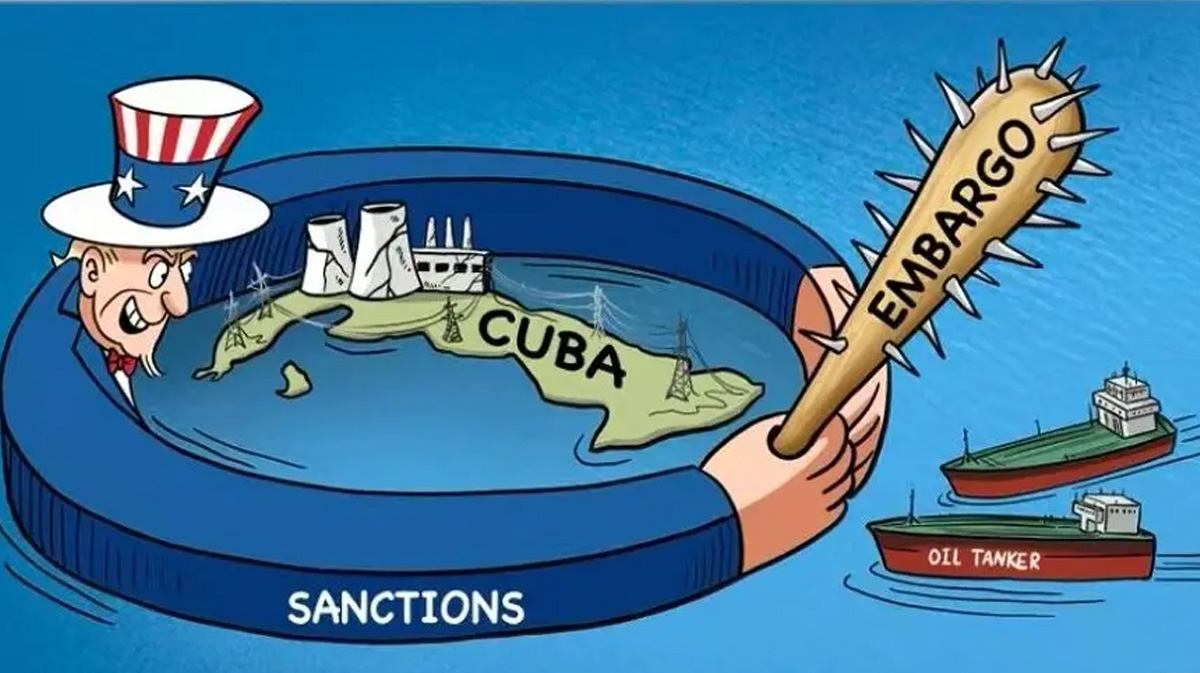
For more than six decades, the United States embargo on Cuba has shaped the island’s economy and affected the daily lives of millions of Cubans. While the embargo was originally intended to pressure the Cuban government to adopt political and economic reforms, many critics argue that its greatest impact has fallen on ordinary citizens rather than government leaders. The restrictions have limited Cuba’s ability to engage in trade, obtain financing, and access many goods that are readily available elsewhere.
One of the most significant effects of the embargo has been the shortage of essential medicines and medical equipment. Although humanitarian exemptions exist that allow certain medical products to be exported to Cuba, financial restrictions, licensing requirements, and concerns about penalties have often made transactions more difficult. As a result, hospitals and clinics sometimes face delays in obtaining lifesaving medications, replacement parts, and advanced medical technologies.
The embargo has also contributed to shortages of food and agricultural supplies. Cuba imports a significant portion of its food, and restrictions on trade and financing have increased the cost of obtaining many products. These higher costs are often passed on to consumers, making basic groceries more expensive and less consistently available. Families frequently spend hours waiting in lines for staple foods.
Economic development has also suffered under the embargo. Restrictions on investment, banking, and access to international credit have made it more difficult for Cuban businesses to expand and modernize. Small private businesses, which have grown in recent years, often struggle to obtain equipment, technology, and supplies that could help them compete and create jobs.
The Cuban people have also experienced difficulties accessing modern technology. Although some restrictions have been eased over time, the embargo has historically limited Cuba’s ability to purchase American computers, telecommunications equipment, and software. Limited access to technology has slowed innovation, education, and entrepreneurship across the country.
Tourism, one of Cuba’s most important sources of foreign income, has also been affected by U.S. travel restrictions. Changes in U.S. policy over the years have influenced the number of American visitors traveling to Cuba. When travel restrictions become tighter, many Cuban families who rely on tourism for their livelihoods experience reduced incomes, affecting restaurants, guesthouses, taxi drivers, artisans, and other small businesses.
Financial restrictions have created additional hardships. Many international banks have been reluctant to process transactions involving Cuba because of concerns about violating U.S. sanctions. This has complicated everything from purchasing supplies to receiving payments from abroad, making everyday business operations more difficult for both public institutions and private entrepreneurs.
Supporters of ending the embargo argue that greater trade and economic engagement would improve living standards for ordinary Cubans. They contend that increased commerce could create jobs, improve infrastructure, expand access to medicine and technology, and strengthen the island’s growing private sector. They believe that economic opportunity, rather than isolation, is more likely to encourage long-term positive change.
Those who support maintaining the embargo present a different perspective. They argue that the sanctions are intended to pressure the Cuban government over concerns about human rights, political freedoms, and democratic governance. They contend that lifting the embargo without significant reforms could strengthen the government without guaranteeing meaningful improvements in civil liberties.
The debate over the U.S. embargo on Cuba remains one of the longest-running foreign policy issues in modern history. While opinions differ on whether the embargo has achieved its political objectives, many humanitarian organizations, economists, and international leaders argue that ordinary Cuban citizens continue to bear much of its economic burden. As discussions about future U.S.-Cuba relations continue, the challenge remains finding policies that promote both human rights and improved living conditions for the people of Cuba.