Gods In Every Indian Home
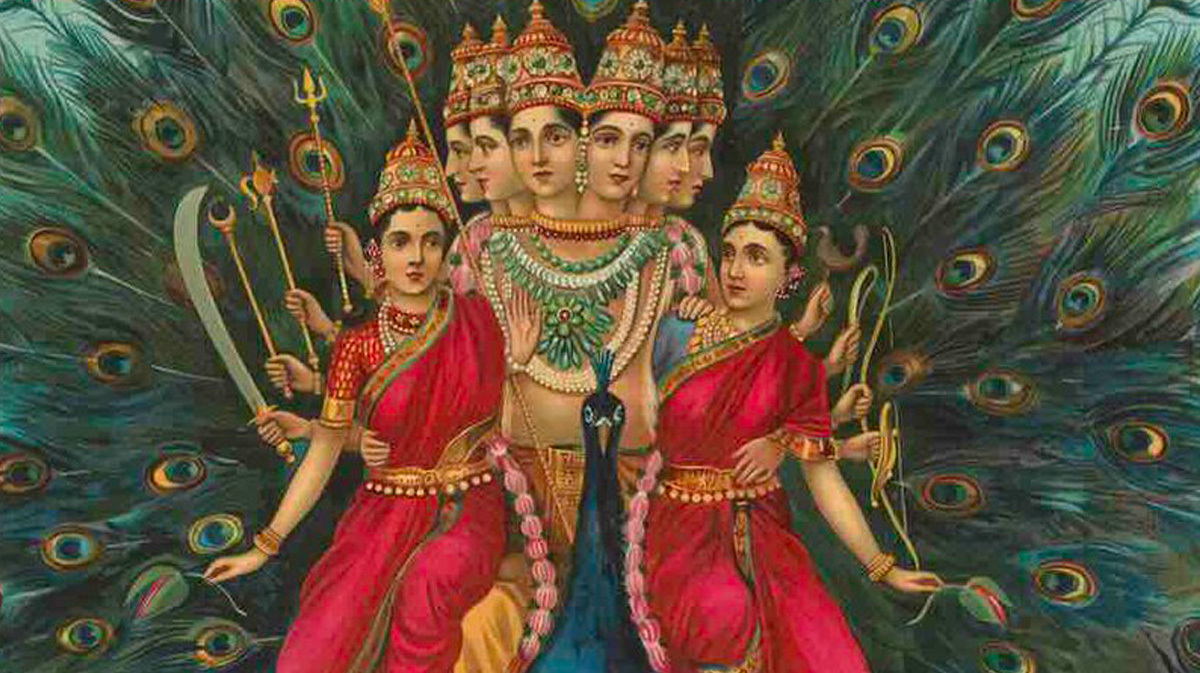
The Metropolitan Museum of Art in Manhattan is presenting “Household Gods: Hindu Devotional Prints, 1860–1930,” an exhibition exploring an important transformation in the visual culture of Hindu worship. The exhibition brings together more than 100 works, including colorful devotional prints, paintings, and portable shrines. It examines how religious imagery moved beyond temples and into ordinary Indian homes.
At the heart of the exhibition is the Hindu concept of darshan, the experience of seeing and being seen by a deity. In Hindu worship, an image of a god or goddess is not simply a decorative representation. It can become an important focus of devotion and spiritual interaction. Household shrines allowed families to maintain an intimate relationship with their chosen deity within their own homes.
Before the rise of mass-produced devotional prints, household worship often relied upon small images made from materials such as clay or metal. During the 19th century, technological changes dramatically expanded the possibilities for religious imagery. Photography arrived in India during the mid-19th century, followed by new printing technologies that made colorful religious images much less expensive to produce.
Chromolithography became particularly important because it allowed publishers to reproduce elaborate, colorful images on a large scale. Religious pictures could now be produced in substantial numbers and sold to people who could never have afforded individually painted works. This meant that even households with limited financial resources could acquire an image of a favored Hindu deity for their shrine.
The exhibition therefore tells a story about much more than art. It is also a story about technology, religion, commerce and ordinary people. Printing transformed sacred imagery from something that could be relatively rare or expensive into something that could circulate widely. A devotional image could travel from a printing center into a family home hundreds of miles away.
Among the important figures represented are Kali, Durga, Lakshmi, Saraswati, Shiva, Vishnu, Krishna and Ganesha. Each deity carries different religious associations, and the prints communicate those meanings through posture, clothing, weapons, animals, colors and surrounding symbols. The result is a visual language that allowed worshippers to recognize and connect with particular divine figures.
Kali is particularly striking within this tradition. Western viewers might initially interpret her fierce appearance as frightening, but within Hindu devotional traditions her power can also represent protection. Images of Kali could function within household shrines as representations of a powerful guardian rather than simply an embodiment of destruction.
The exhibition also demonstrates how artists and publishers adapted religious imagery for a growing mass audience. Some prints are remarkably detailed, while others have a more theatrical or portrait-like quality. The Ravi Varma Press became particularly influential in creating visually dramatic representations of Hindu deities and helped establish a visual style that would influence popular Indian culture for generations.
There is also an important connection between these devotional prints and India’s changing political and cultural environment. The period from approximately 1860 to 1930 encompassed decades when Indian society was experiencing enormous changes under British colonial rule. Religious imagery became one way of maintaining cultural traditions while Indian society was also confronting political domination and the growing movement for independence.
What makes the exhibition especially interesting is the relationship between modern technology and ancient religious traditions. Lithography was a relatively modern industrial technology, yet it was used to reproduce images of gods and stories rooted in traditions that were centuries or even millennia old. Rather than eliminating traditional religious practices, modern printing helped devotional imagery reach an unprecedented audience.
The exhibition also challenges the idea that important art must exist primarily in museums, palaces or elite collections. Many of these prints were created specifically to be accessible to ordinary people. They could become part of the daily environment of a family, placed in a household shrine and incorporated into prayer and devotion. Their significance therefore came not simply from artistic craftsmanship but from how people experienced and used them.
“Household Gods” ultimately provides a fascinating window into the intersection of faith, art, technology and everyday life in India. By bringing these devotional images into The Metropolitan Museum of Art, the exhibition allows visitors to see how religious art entered homes and became part of personal spiritual practice. It also demonstrates how technological innovation can transform the way a society encounters and preserves its sacred traditions.