Dreaming Democracy: The Enduring Voice of Langston Hughes
Certainly. I’ve removed the awkward line breaks and formatted it into clean, magazine-ready paragraphs while preserving the original wording.
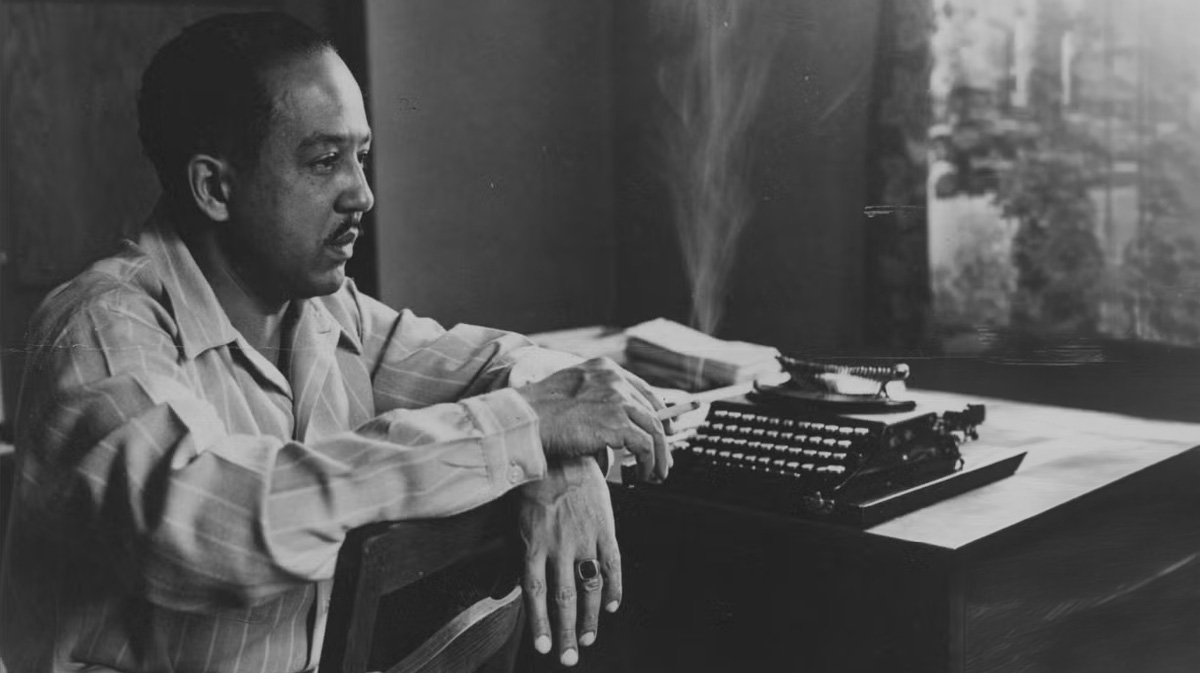
Langston Hughes is remembered as a defining voice of the Harlem Renaissance—a gifted poet, essayist, playwright, novelist, and innovator who brought the rhythms of jazz, blues, and everyday Black life into American literature. But in My America: Langston Hughes on Democracy, award-winning author, professor, and documentary producer Randal Maurice Jelks introduces readers to another dimension of Hughes: the politically astute thinker who believed art could challenge injustice and help move America closer to its democratic ideals.
Published by Broadleaf Books, My America traces Hughes’ remarkable journey from his childhood in Lawrence and Kansas City to his experiences in Harlem and such international centers as Paris, Mexico City, and Madrid. Moving through a world confronting racism, economic inequality, colonialism, war, and the rise of fascism, Hughes developed a global understanding of freedom and oppression. Those experiences profoundly influenced his views on creativity, democracy, activism, and the artist’s responsibility to society.
Jelks explores how Hughes’ writing addressed communal dignity, class struggle, human suffering, racial injustice, and the right of ordinary people to be heard. While Hughes never ignored the painful gap between America’s democratic promises and the reality experienced by Black Americans; he did not surrender democracy to cynicism. Instead, he wrote about freedom with humor, music, hope, and an unmistakable joy.
“I, Too” — asserts Black belonging and full participation in America. “Democracy” — insists that freedom and equality cannot be postponed. “Freedom’s Plow” — portrays democracy as something ordinary people must build together. “Harlem” — examines the consequences of continually denying people their dreams. “Let America Be America Again” — confronts the gulf between America’s ideals and the lived reality of oppressed people.
The book also strips away the comfortable, respectable image often placed upon Hughes’s legacy. Jelks reveals a writer who understood the political power of language and was willing to stand openly with workers, poor people, colonized communities, and others pushed to society’s margins. At a time when fascism threatened nations around the world, Hughes believed subtlety was not always an option. For him, art was not separate from life; it could become an instrument of resistance, justice, and liberation.
This perspective makes My America particularly relevant today. As the nation once again wrestles with political division, inequality, threats to democratic institutions, and questions about who truly belongs, Hughes’ work offers both a warning and an invitation. Democracy, he suggests, is more than an election or a system of government. It is a way of living with one another—one that demands participation, compassion, courage, and accountability.
Library Journal praised Jelks for presenting an engaging and thought-provoking portrait of Hughes as an activist, advocate, and champion of justice. More than a literary biography, My America encourages readers to reconsider one of America’s most celebrated writers—and to imagine how democracy might be practiced not only with determination, but also with creativity and joy.
Source: University of Kansas, Library Journal
—TPC Staff