Teddy Pendergrass: Soul, Strength, Legacy
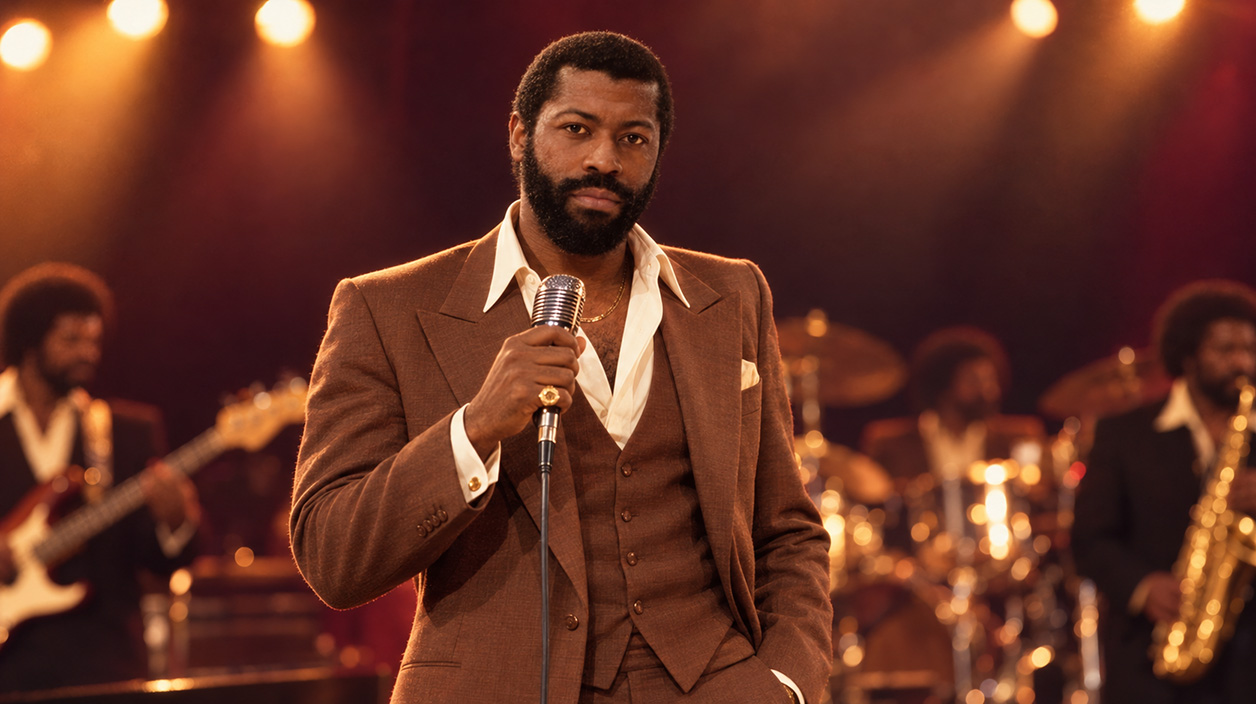
Teddy Pendergrass possessed a voice that could fill a concert hall while making each listener feel personally addressed. His rich, commanding baritone helped define the sound of romantic soul music, carrying tenderness, desire, heartbreak, and pride with remarkable conviction. From his breakthrough with Harold Melvin & the Blue Notes to his celebrated solo career, Pendergrass became one of the most recognizable voices in American rhythm and blues. His story also became one of perseverance as he rebuilt his life after a devastating automobile accident.
Born Theodore DeReese Pendergrass on March 26, 1950, he grew up in Philadelphia, where church provided an early foundation for his musical development. Gospel singing introduced him to the emotional power of performance, while playing drums helped develop his understanding of rhythm. These experiences shaped the singer he would become. Even on his most intimate recordings, listeners could hear the intensity of a performer who understood how to build a song toward an emotional release.
Pendergrass first attracted widespread attention as the lead singer of Harold Melvin & the Blue Notes, a group he initially joined as a drummer. Working with Philadelphia International Records and the creative team of Kenny Gamble and Leon Huff, the group produced recordings that became soul classics. On “If You Don’t Know Me by Now,” his pleading delivery gave the song its emotional weight. “The Love I Lost” and “Wake Up Everybody” further demonstrated his ability to move between romantic disappointment, dance music, and calls for social responsibility.
His emergence as a solo artist allowed audiences to connect his familiar voice directly with his own name. Released in 1977, his self-titled debut established him as a major talent beyond the group. Songs such as “I Don’t Love You Anymore” and “The Whole Town’s Laughing at Me” revealed both confidence and vulnerability. Subsequent albums, including Life Is a Song Worth Singing, Teddy, and TP, strengthened his position among the leading male vocalists of his generation.
Romantic songs became central to his appeal, particularly “Close the Door,” “Turn Off the Lights,” and “Love T.K.O.” Yet his artistry involved much more than a deep voice and suggestive lyrics. He understood pacing, phrasing, and the dramatic possibilities of restraint. A quiet passage could draw listeners closer before a sudden vocal surge exposed the urgency beneath it. His recordings presented romance as an experience that could include assurance, longing, uncertainty, and emotional surrender.
Onstage, Pendergrass turned that musical intimacy into a powerful connection with his audience. His celebrated concerts for women became an important part of his public identity, reinforcing his reputation as a charismatic romantic performer. The excitement surrounding those appearances reflected the relationship he had built with listeners through his records. He could command attention through his presence, but the voice remained the essential attraction: textured, forceful, and capable of making familiar feelings sound newly urgent.
In March 1982, a car accident in Philadelphia left Pendergrass paralyzed from the chest down, profoundly changing his daily life and interrupting his career. The physical challenges were accompanied by the emotional difficulty of adjusting to a future he had never anticipated. In his own account, he described feeling devastated and uncertain about where to turn. His later return to music required time, support, rehabilitation, and the willingness to begin working under very different circumstances.
Pendergrass returned with the 1984 album Love Language, which included “Hold Me,” a duet with a young Whitney Houston. In 1985, he appeared at Live Aid in Philadelphia, performing “Reach Out and Touch (Somebody’s Hand)” with Ashford & Simpson. His appearance carried significance beyond the song itself. Returning to a major stage in a wheelchair allowed him to reconnect publicly with an audience that had followed his recovery, affirming that he still had an important place in music.
His later career brought further achievements, including the 1988 R&B chart-topping single “Joy.” Continued recording demonstrated that his musical life extended well beyond his earlier success. He also became involved in efforts to support people with spinal cord injuries, bringing attention to experiences he understood personally. That work added another dimension to his public legacy, connecting his determination to continue creating with concern for others facing substantial changes in their own lives.
Teddy Pendergrass died on January 13, 2010, at age 59, leaving recordings that remain essential to the history of soul music. His legacy rests in the distinctive sound of his voice, the emotional honesty of his performances, and his contribution to Philadelphia’s extraordinary musical tradition. It also includes the life he built after his accident. Whether singing about desire, disappointment, or hope, Pendergrass gave his music a human presence that continues to reach listeners across generations.