The Eyes of Ghana: Reclaiming History Through Film
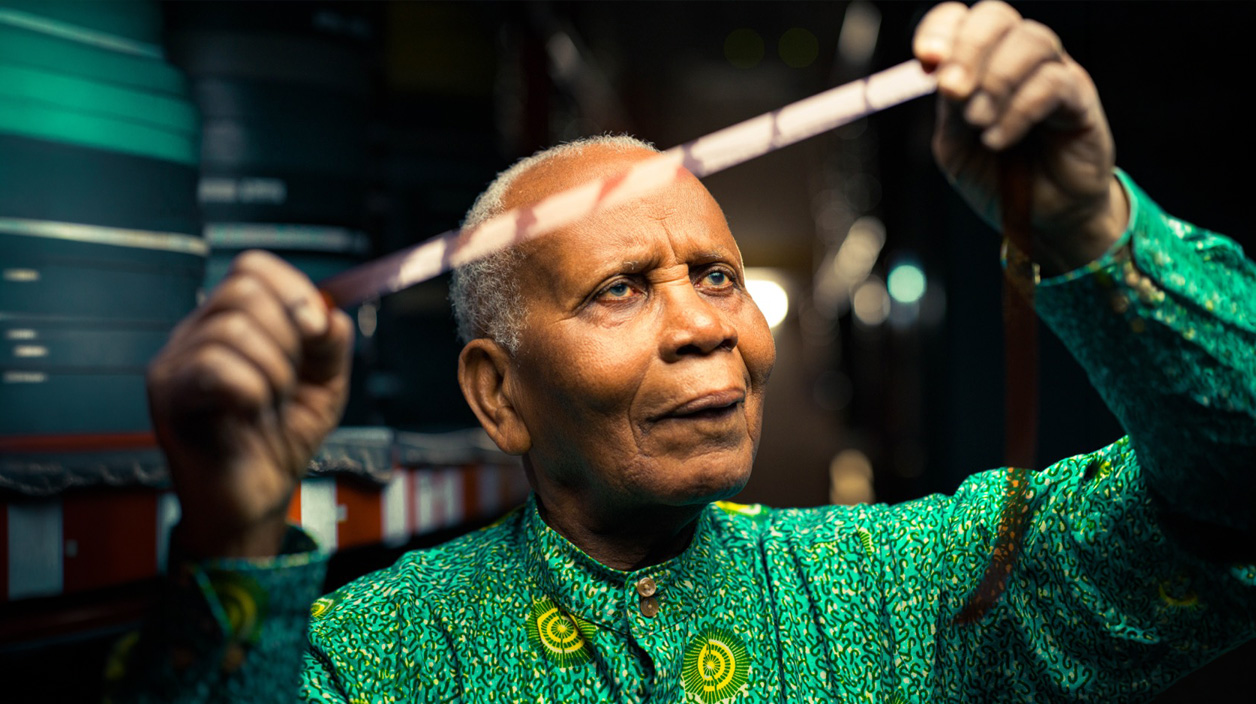
The documentary The Eyes of Ghana explores the importance of preserving African history through the power of film, memory, and cultural identity. Directed by Ghanaian filmmaker Ben Proudfoot, the documentary centers on the extraordinary legacy of Chris Hesse, a Ghanaian cinematographer who documented some of the most significant moments in his country’s modern history. Through his camera, Hesse captured the emergence of an independent Ghana and the political leadership of Kwame Nkrumah, the country’s first president. His remarkable archive provides a visual record of a nation determined to define its own future.
At the heart of the documentary is the story of a man who understood that images could become powerful historical documents. Hesse worked closely with Nkrumah, recording political events, public celebrations, official ceremonies, and the development of a newly independent nation. His footage preserved moments that might otherwise have disappeared from public memory. Decades later, these images offer audiences an opportunity to revisit a transformative period in Ghanaian history through the perspective of someone who was there to witness it firsthand.
Ghana’s independence in 1957 was a landmark event for Africa and the global struggle against colonialism. Under Nkrumah’s leadership, Ghana became the first sub-Saharan African country to gain independence from British colonial rule. The achievement inspired liberation movements across the continent and throughout the African diaspora. For many people of African descent, Ghana represented the possibility of political freedom, economic self-determination, and a renewed connection to African heritage. The images captured by Hesse preserve the excitement and optimism that surrounded this historic moment.
The documentary takes a dramatic turn when a military coup overthrew Nkrumah in 1966 while he was outside Ghana. His government was dismantled, and efforts were made to erase the visual record of his leadership. Much of the footage documenting his administration was believed to have been destroyed. However, Hesse secretly preserved more than 1,000 reels of film, protecting a priceless collection of historical material. His decision to safeguard these images became an act of cultural preservation, ensuring that an important chapter of Ghana’s history would not simply disappear.
One of the film’s most compelling themes is the relationship between political power and historical memory. When governments change, the stories told about former leaders can change as well. Images, documents, and eyewitness accounts become essential tools for understanding what actually happened. By preserving Nkrumah’s films, Hesse helped protect a record that could be examined by future generations. The documentary reminds viewers that history is not simply what governments choose to teach; it is also what individuals courageously preserve when the truth is threatened.
As Hesse approaches the final chapters of his life, the documentary follows his efforts to restore the collection and make it accessible to the public. Working alongside younger Ghanaian filmmaker Anita Afonu, he seeks to ensure that the footage survives beyond his lifetime. Their partnership represents a meaningful connection between generations, uniting the experience of an elder filmmaker with the energy and determination of a younger creative professional. The urgency of their mission is intensified by Hesse’s advancing age and concerns about his eyesight.
The documentary also raises important questions about how African history is represented around the world. Too often, the story of Africa has been told primarily through the perspectives of colonial powers, foreign journalists, and outside observers. Hesse’s collection offers something different: images recorded by a Ghanaian who witnessed his country’s struggle for independence from within. These films provide an opportunity for Africans to see their own history through a lens shaped by their experiences, aspirations, and national identity. That perspective is particularly meaningful to people throughout the African diaspora who are seeking deeper connections to their ancestral heritage.
Beyond its historical significance, The Eyes of Ghana is a powerful tribute to the art of photography and cinematography. A camera does more than record a moment; it preserves expressions, gestures, celebrations, and details that written accounts may overlook. For photographers, journalists, and visual storytellers, Hesse’s work demonstrates the responsibility that comes with documenting the world. His footage reminds us that a photograph or film sequence created today may become an invaluable historical resource tomorrow. The documentary celebrates the creative professionals whose dedication allows future generations to witness the past.
Ultimately, The Eyes of Ghana is about more than one filmmaker or one country’s independence. It is a story about memory, courage, cultural ownership, and the responsibility to preserve history before it is lost. Through Chris Hesse’s extraordinary archive and his determination to pass it on, director Ben Proudfoot invites audiences to reconsider the importance of who controls the historical record. The film leaves viewers with a powerful lesson: when people preserve their own stories, they protect more than the past. They give future generations the knowledge and perspective needed to understand their identity, question incomplete narratives, and imagine a future grounded in the truth.