Honoring Black Women Through Country Music
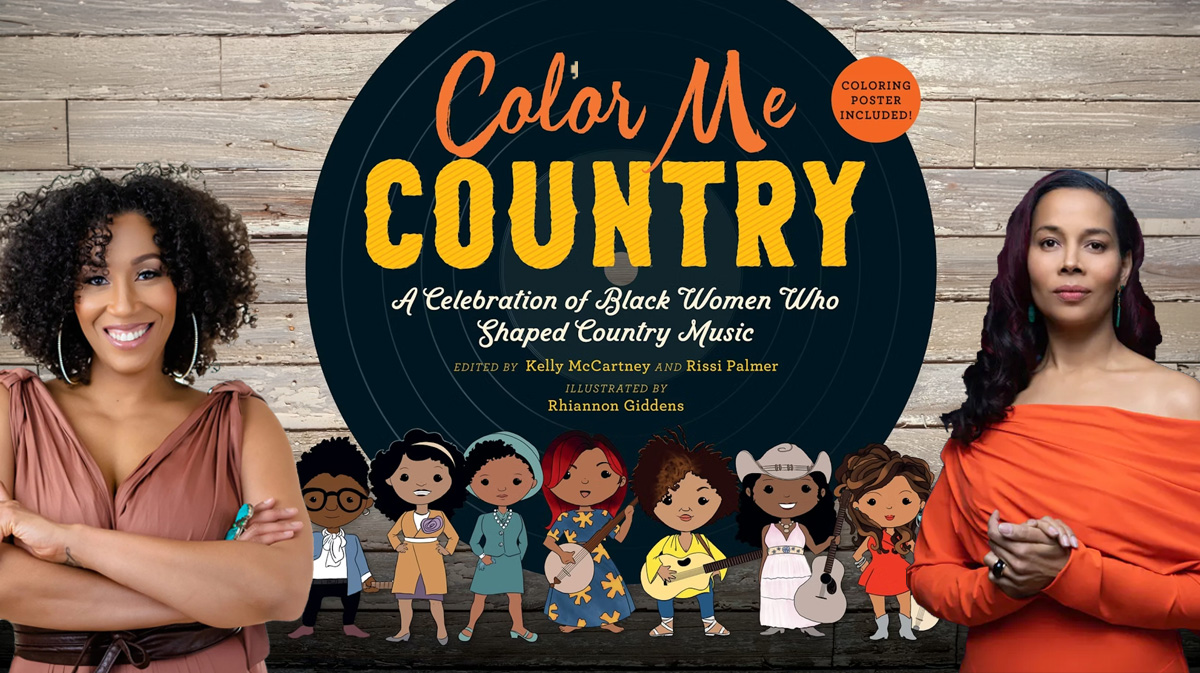
Color Me Country: A Celebration of Black Women Who Shaped Country Music, edited by Rissi Palmer and Kelly McCartney, is a vibrant and necessary tribute to the Black women whose contributions to country music have too often been overlooked. Published in 2026, the book celebrates artists who helped shape the genre while confronting the historical exclusion many of them faced. Through storytelling, biography, and visual artistry, the project reclaims a place for these women within the broader narrative of American music.
The title itself carries historical significance, drawing inspiration from Color Me Country by Linda Martell, the groundbreaking Black country artist who became the first Black woman to perform at the Grand Ole Opry. By referencing Martell’s legacy, the book immediately establishes its mission: to illuminate voices that have long existed within country music but were rarely centered in its mainstream history.
One of the book’s greatest strengths is its emphasis on representation. For decades, country music has often been marketed as a predominantly white genre, despite its deep roots in Black musical traditions. Palmer’s work challenges these misconceptions by presenting Black women not as outsiders to country music, but as foundational contributors whose artistry helped define its sound and spirit.
The book features nearly twenty mini-biographies of influential Black women artists spanning generations. Readers encounter pioneers like Sister Rosetta Tharpe and Odetta alongside modern innovators such as Valerie June. Each profile serves as both an educational resource and a celebration of perseverance, creativity, and cultural impact.
Illustrations by Rhiannon Giddens add another layer of richness to the project. Known for her own advocacy surrounding Black roots music, Giddens brings warmth and emotional depth to the visual presentation. Her artwork transforms the book into more than a collection of biographies; it becomes a vibrant artistic experience that honors the individuality of each featured musician.
The tone of the book is both celebratory and corrective. While it highlights remarkable achievements, it also acknowledges the racism and exclusion that many Black women encountered within the country music industry. This balance allows the book to educate readers honestly without losing its sense of hope and admiration.
A major contribution of the book is its accessibility to younger audiences. Written in a format designed to engage middle-grade readers, it introduces important cultural history in a way that is inviting and inspiring. Young readers, especially Black girls interested in music and storytelling, are offered examples of artists who succeeded despite immense barriers.
The project also reflects Palmer’s broader mission through her radio platform, Color Me Country. Through both the show and the book, she has worked to amplify Black, Indigenous, and Latinx voices in country music. These efforts reveal her commitment not only as an artist, but also as a cultural advocate dedicated to reshaping the industry’s narrative.
Another important aspect of the book is its focus on continuity between generations. By placing historical figures beside contemporary artists, it demonstrates that Black women have always been part of country music’s evolution. Their stories are not isolated moments in history but part of an ongoing tradition that continues to influence modern music.
The book also encourages readers to think critically about how history is remembered. Many of the featured artists achieved success despite receiving far less recognition than their white counterparts. By documenting their accomplishments in a beautifully crafted volume, Palmer and her collaborators challenge cultural erasure and restore visibility to overlooked pioneers.
Critically, the book arrives at a time when conversations about diversity in country music are becoming increasingly prominent. Artists such as Mickey Guyton and Beyoncé have helped push the genre toward broader inclusion, making projects like Color Me Country especially timely. The book contributes to these conversations by providing historical context and celebrating the artists who paved the way.
Ultimately, Color Me Country: A Celebration of Black Women Who Shaped Country Music is more than a tribute to music—it is an act of cultural preservation and recognition. Through powerful storytelling, vivid illustrations, and historical insight, the book reminds readers that Black women have always been central to the story of country music. By honoring these voices, Rissi Palmer helps ensure that future generations understand the full and richly diverse history of the genre.