Rising Voice Of Indian Soul
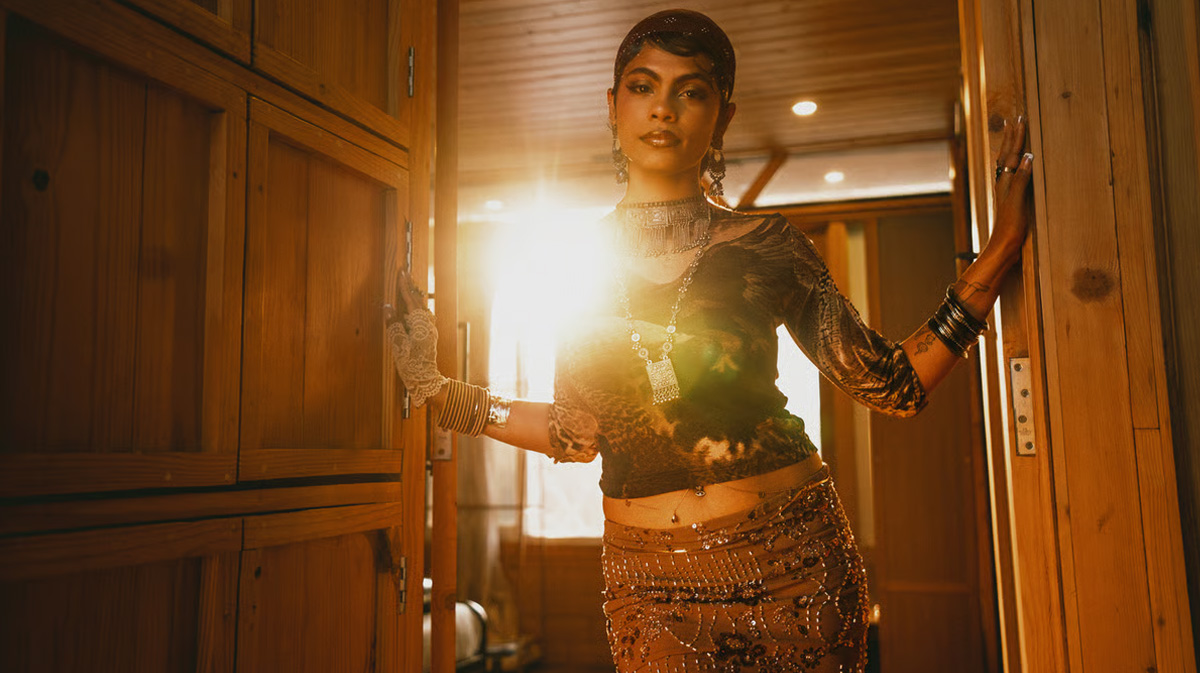
Mary Ann Alexander represents a new generation of artists redefining what contemporary Indian music can sound like on the global stage. Blending silky R&B melodies with emotional storytelling, she has steadily emerged as one of the most exciting young voices in South Asian music. Her songs carry the smooth intimacy of classic rhythm and blues while still reflecting the textures and emotions of her Malayali roots. In a music landscape often dominated by film soundtracks and commercial pop, Mary Ann has carved out a lane that feels personal, international, and unmistakably modern.
Born in Kerala and later based in Bengaluru, Mary Ann Alexander grew up surrounded by music and performance traditions that helped shape her artistic instincts. She participated in school cultural programs, group songs, and classical-influenced performances during her youth, experiences that sharpened her musical ear long before she entered the independent music scene. Those early influences created a foundation that allowed her to move fluidly between Indian melodic sensibilities and Western R&B structures.
What makes Mary Ann stand out is the emotional honesty in her music. Rather than relying on loud production or trendy gimmicks, she often leans into vulnerable songwriting and intimate vocal delivery. Her music explores love, uncertainty, heartbreak, confidence, and self-discovery with a conversational tone that resonates strongly with younger listeners. Songs like “Love or a Lesson,” “Student of Love,” and “Better Than This” reveal an artist deeply interested in emotional complexity rather than surface-level storytelling.
Her rise reflects the growing global attention toward Indian independent R&B. For many years, Indian music exported internationally was largely associated with Bollywood playback singing or traditional sounds. Mary Ann Alexander belongs to a new movement of artists proving that Indian musicians can also thrive within global genres like neo-soul, alternative R&B, and modern pop. Her work demonstrates that authenticity and cultural identity do not need to be sacrificed in order to appeal to international audiences.
One of her most talked-about breakthroughs came with “The Lovey Dovey Song,” a nostalgic and emotionally warm single that drew attention online for its sincerity and classic R&B flavor. The song embraced softness and romantic vulnerability at a time when much pop culture leaned toward emotional detachment. Listeners connected with its honesty, and the track helped establish her reputation as a refreshing voice in modern R&B.
Mary Ann’s growing influence has also led to recognition from respected names in global music. Reports surrounding her career mention praise and support connected to artists such as SZA, Craig David, and Anderson .Paak. These associations have helped shine a larger spotlight on her work while validating her place within the international R&B conversation.
Another important aspect of her artistry is her willingness to proudly represent her Malayali identity. Rather than masking her background, Mary Ann openly embraces it. In interviews, she has spoken about being proud of where she comes from and allowing her personality, accent, and experiences to remain present in her music. This balance between global influence and local identity gives her work a distinctive character that separates her from many emerging pop artists.
Her sound itself is often described as a blend of R&B, soul, jazz, pop, and hip-hop influences. She has cited artists connected to modern atmospheric R&B as inspirations, and listeners can hear echoes of those sounds in her smooth vocal layering and emotionally reflective production choices. Yet despite those influences, her music avoids imitation. Instead, it feels like an artist gradually building her own sonic identity piece by piece.
Mary Ann Alexander’s career also illustrates the importance of social media in the modern music industry. Through short performance clips, freestyles, and online engagement, she has been able to reach listeners far beyond India. She has openly discussed how digital platforms helped her find her audience and create opportunities that may once have been unavailable to independent artists outside the traditional industry system.
Her growing international visibility reached another level when she was selected for the Jameson Distilled Sounds global program curated by Anderson .Paak. The initiative brought together artists from around the world for collaboration and mentorship, and Mary Ann became one of the few Indian artists chosen for the experience. The selection highlighted how her music was beginning to resonate not just nationally but internationally as well.
Critics and music publications have increasingly described her as one of the artists helping define the future of Indian R&B. Publications noted that she was “putting Indian R&B on the map,” while others emphasized her ability to merge emotional storytelling with modern sonic experimentation. As independent Indian music continues to expand globally, Mary Ann Alexander has become part of a broader cultural shift in how audiences view South Asian artists within contemporary global music.
The most compelling thing about Mary Ann Alexander may be that her journey still feels like the beginning of something larger. She already possesses the qualities that often define enduring artists: emotional sincerity, musical versatility, cultural confidence, and a voice that listeners immediately recognize. As her audience continues to grow across continents, she stands as a powerful example of how independent artists from India are reshaping the sound and identity of global R&B music.