Black Artists Reimagining Broadway’s Cats
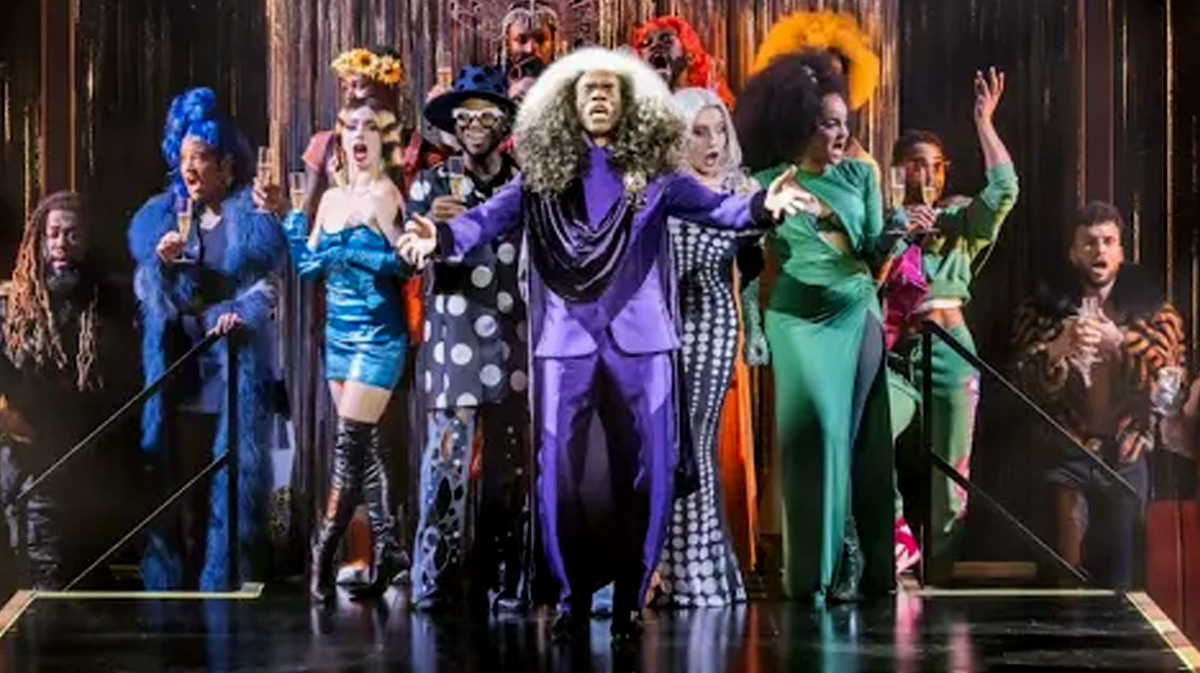
The 2025 Broadway revival of Cats became one of the most discussed theatrical events of the season because it transformed a familiar musical into something culturally fresh and historically meaningful. Long associated with its original 1980s production, the show returned with a cast heavily featuring Black performers, dancers, singers, and choreographers whose artistry reshaped how audiences experienced the musical. The production demonstrated that a classic work can gain new emotional power when interpreted through different cultural perspectives.
Originally created by Andrew Lloyd Webber and based on poems by T. S. Eliot, Cats has long been known for its elaborate costumes, athletic choreography, and surreal storytelling. Yet earlier productions often reflected the racial limitations of Broadway during the late twentieth century. While Black performers certainly appeared in various productions over the years, they were rarely centered in the public imagination of the show. The new revival challenged that legacy directly by presenting Black artistry not as secondary participation, but as a defining creative force.
One of the most celebrated figures in the production was André De Shields, whose presence alone connected generations of Black theatrical excellence. A legendary Broadway performer known for his commanding voice and poetic delivery, De Shields brought dignity, wit, and emotional depth to the production. His involvement reminded audiences that Black performers have always shaped Broadway history, even when they were not fully recognized by mainstream institutions.
The choreography of the revival drew heavily from Black dance traditions, including jazz, modern dance, ballroom influences, African diasporic movement, and street dance vocabulary. This gave the production a rhythmic intensity that felt entirely new. Instead of merely imitating earlier versions of Cats, the cast infused the material with cultural memory and contemporary movement styles rooted in Black performance traditions. Audiences could see how Black dance language expanded the emotional range of the musical.
Vocally, the cast transformed the sound of the production. Black singers brought gospel textures, soulful phrasing, and rich harmonies that deepened the emotional resonance of songs audiences thought they already knew. Numbers that once felt whimsical or abstract suddenly carried emotional gravity. The famous anthem “Memory,” in particular, became less about nostalgia alone and more about survival, endurance, and personal dignity when interpreted through voices shaped by Black musical traditions.
The visual presentation also reflected Black cultural influence. Hairstyles, costume interpretations, and makeup choices subtly referenced fashion traditions from across the African diaspora while still maintaining the fantastical world of the Jellicle cats. The production did not erase the original aesthetic of Cats; instead, it layered new cultural textures onto it. This approach allowed the show to feel modern without abandoning its theatrical identity.
The success of the production also highlighted how Broadway audiences have changed. Modern theatergoers increasingly want productions that reflect the diversity of the cities and communities that support live theater. Black audiences, in particular, have often contributed greatly to Broadway’s financial and cultural success while remaining underrepresented onstage. Seeing a predominantly Black cast in such a famous musical created a sense of inclusion and recognition that many theater fans found deeply meaningful.
Historically, Black performers have had a complicated relationship with Broadway. For decades, many were restricted to roles shaped by stereotypes or productions specifically centered on race. A show like Cats, which is not racially defined in its original conception, offered something different: Black performers occupying artistic space freely and expansively. Their presence communicated that Black excellence belongs in every theatrical genre, including fantasy, avant-garde performance, and experimental musical theater.
Critics and theater fans often noted the extraordinary energy of the ensemble. Because Cats depends heavily on collective movement and atmosphere, the chemistry of the cast is essential. The Black performers in this revival created a communal feeling that many viewers described as electric. Their performances emphasized joy, precision, playfulness, and emotional connection rather than simply technical execution. The stage felt alive with personality.
The revival also contributed to a larger conversation about cultural reinterpretation in American theater. Broadway classics are increasingly being revisited through new racial and cultural lenses, allowing older works to speak to contemporary audiences. This version of Cats showed that reinterpretation does not diminish the original material; instead, it can uncover meanings that had previously remained hidden. The Black cast expanded the emotional and artistic possibilities of the musical.
For younger Black performers, the production carried symbolic importance. Many aspiring actors and dancers grow up loving Broadway while rarely seeing themselves reflected in major productions outside a limited number of roles. Watching Black artists dominate the stage in a legendary musical created a powerful image of artistic possibility. It suggested that Broadway’s future may become broader, more inclusive, and more imaginative than its past.
Ultimately, the Black cast of Cats demonstrated how representation and artistry can work together to revitalize a classic. The production was not important solely because Black performers were present; it mattered because their talent fundamentally transformed the show’s atmosphere, movement, sound, and emotional impact. Through their creativity and performance power, these artists proved that Broadway classics remain alive only when new generations bring their own histories, cultures, and voices onto the stage.