Haitian Deportation Protections Officially End
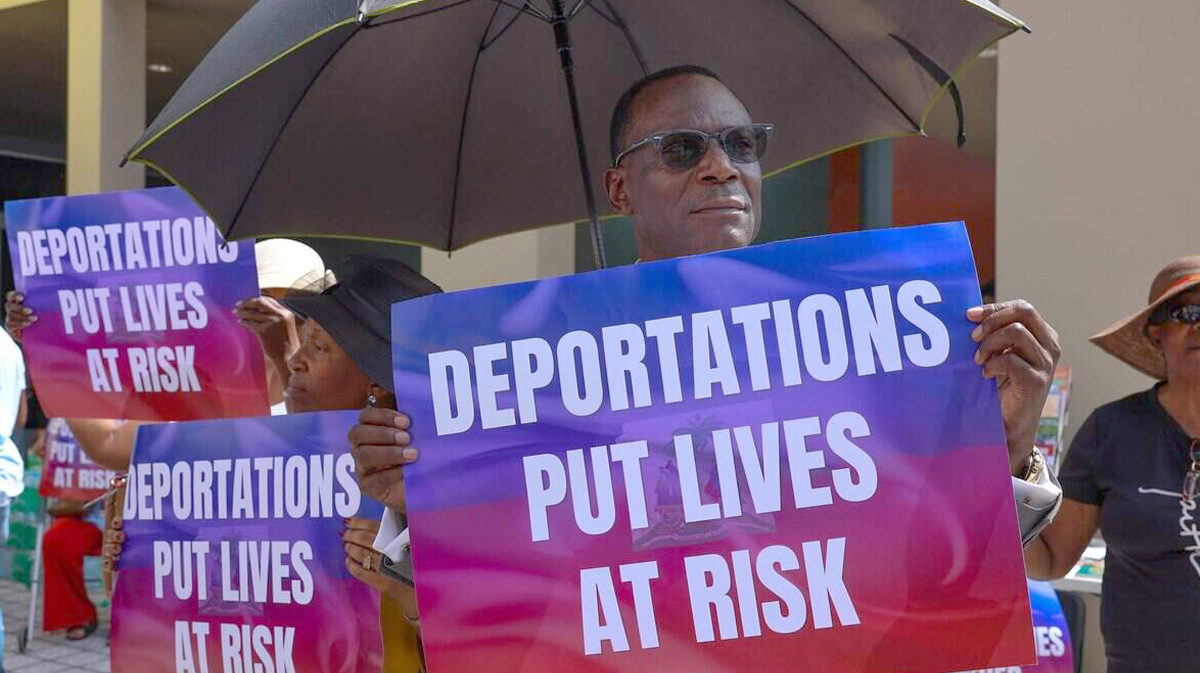
For many Haitian immigrants living in the United States, the end of deportation protections marks the beginning of a period filled with uncertainty and concern. The policy change affects thousands of people who have built lives, raised families, and contributed to their communities while living and working legally under temporary humanitarian protections. The decision has sparked debate among lawmakers, immigration advocates, and Haitian American organizations over the future of those now at risk of removal.
The protections in question primarily involve Temporary Protected Status (TPS), a humanitarian program created by the United States in 1990. TPS allows individuals from countries experiencing armed conflict, environmental disasters, or other extraordinary conditions to live and work legally in the United States for designated periods. Haiti has received TPS several times following devastating events, including the catastrophic 2010 earthquake that killed hundreds of thousands of people and displaced millions.
Since the earthquake, Haiti has endured one crisis after another. Political instability, repeated natural disasters, economic collapse, widespread gang violence, food shortages, and the assassination of Haitian President Jovenel Moïse have created conditions that many humanitarian organizations describe as among the worst in the Western Hemisphere. These ongoing emergencies have prompted repeated extensions of TPS by previous presidential administrations.
The decision to end deportation protections reflects a shift in immigration policy. Officials supporting the change argue that Temporary Protected Status was always intended to be temporary rather than permanent. They contend that immigration laws should be enforced consistently and that long-term residency should be pursued through existing legal immigration pathways rather than repeated TPS extensions.
Critics strongly disagree with that position. They argue that Haiti’s current conditions are more dangerous than when many TPS recipients first received protection. International organizations have documented widespread violence, kidnappings, and the collapse of public institutions, making it difficult for many deportees to safely return. Immigration advocates believe ending protections ignores the humanitarian realities facing Haiti today.
The impact extends beyond the individuals directly affected. Many Haitian TPS holders have lived in the United States for well over a decade. During that time they have become homeowners, business owners, healthcare workers, teachers, construction workers, and essential employees in numerous industries. Many have children who are U.S. citizens and know no other home than America.
Communities with large Haitian populations are expected to feel significant effects if deportations increase. Cities such as Miami, New York City, Boston, and Orlando are home to thriving Haitian American communities that contribute to local economies and cultural life. Religious organizations, legal aid groups, and community nonprofits are preparing to assist families facing difficult legal and financial decisions.
Supporters of Haitian immigrants emphasize that many TPS recipients have consistently complied with U.S. laws, paid taxes, and maintained employment throughout their time in the country. They argue that these individuals have demonstrated a commitment to their communities and deserve an opportunity to pursue permanent legal status rather than face deportation to dangerous conditions.
The issue also carries significant diplomatic implications. Haiti continues to rely heavily on financial support from Haitians living abroad, whose remittances account for a substantial portion of the nation’s economy. Large-scale deportations could reduce those financial resources while simultaneously increasing pressure on a country already struggling with limited governmental capacity and humanitarian challenges.
Legal challenges are expected to continue. Immigration advocacy organizations and civil rights groups have frequently challenged TPS decisions in federal courts, arguing that the government must carefully consider current conditions before ending humanitarian protections. Congress has also seen proposals that would provide long-term legal status for certain TPS recipients, although such legislation has not consistently advanced.
For Haitian American families, the debate is deeply personal rather than political. Many households include members with different immigration statuses, creating uncertainty about whether families may be separated. Parents worry about their children’s futures, employers fear losing experienced workers, and entire communities are preparing for potential disruptions if deportations accelerate.
The end of deportation protections for Haitians represents one of the most significant immigration policy developments affecting the Haitian diaspora in recent years. Whether through court rulings, congressional action, or future administrative decisions, the situation remains fluid. As policymakers continue to debate immigration reform and humanitarian responsibilities, the lives of thousands of Haitian families remain closely tied to decisions made in Washington, highlighting the complex intersection of law, public policy, and human compassion.