Wé Ani Finds Her Voice
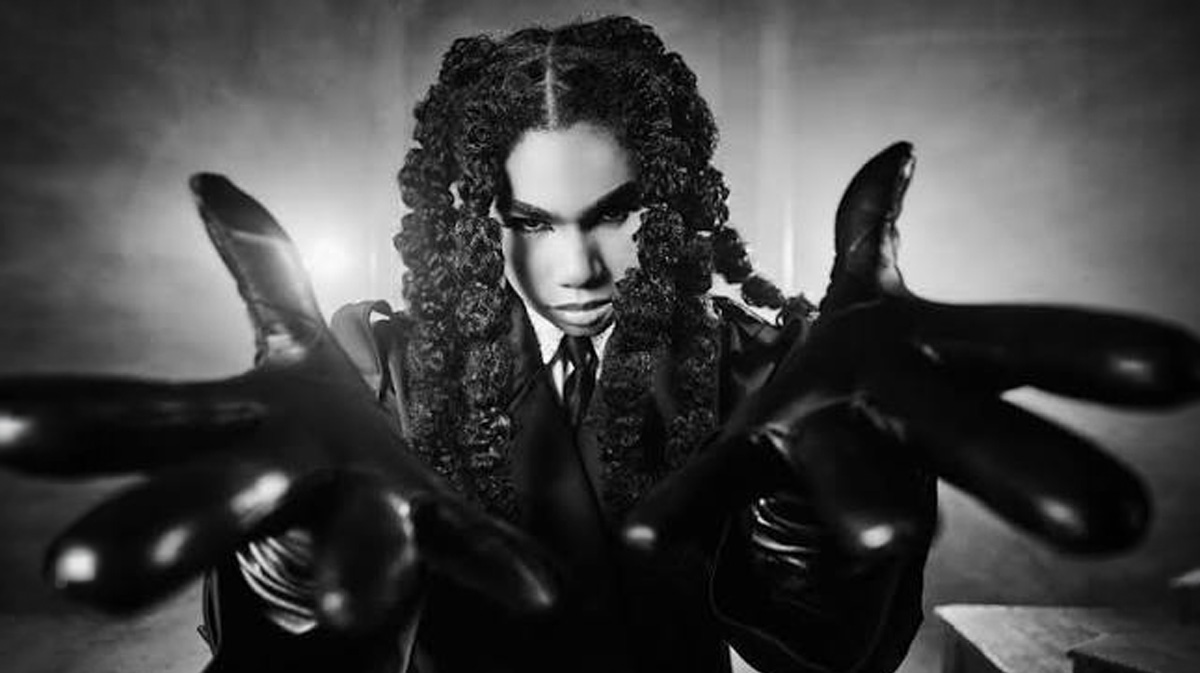
There are singers who impress an audience with technique, and then there are voices that immediately cause people to stop and listen. Wé Ani belongs to the latter group. With a powerful, soulful singing voice that contrasts dramatically with her soft, high-pitched speaking voice, she has emerged as one of the most distinctive young vocalists of her generation. Her talent combines old-school vocal power with the ambition of a contemporary artist determined to establish an identity beyond television competitions.
Born Wé McDonald and raised between Harlem, New York, and Paterson, New Jersey, Wé Ani was surrounded by music from an early age. Influenced by legendary performers including Whitney Houston and Michael Jackson, she developed an appreciation for artists who understood that great singing required more than simply hitting the right notes. Her musical foundation was strengthened at the Harlem School of the Arts, where classical training helped shape the extraordinary instrument audiences would eventually hear on national television.
America first came to know Wé as a teenager on NBC’s The Voice. Competing as Wé McDonald on Alicia Keys’ team, she stunned audiences with the depth and maturity of her singing voice and ultimately finished third during Season 11. Her performances demonstrated a vocal authority far beyond her years. Yet even then, it was clear that Wé was not simply a talented young contestant—she possessed the kind of voice that demanded a larger stage.
Years later, Wé reintroduced herself to television audiences on American Idol. Performing under the name Wé Ani, she reached the Top Five of Season 21 and reminded millions of viewers why her voice had attracted attention years earlier. Her journey from The Voice to American Idol also revealed something important about her character: Wé was willing to return, compete again, and place her talent before public judgment in pursuit of a larger dream.
But television competitions tell only part of Wé Ani’s story. Long before many viewers discovered her, she had already developed valuable performance experience, including multiple victories at Harlem’s legendary Apollo Theater. She has also shared stages with celebrated artists such as Stevie Wonder, Dionne Warwick, John Legend, Alicia Keys, and Josh Groban. These experiences placed her in musical environments where professionalism, preparation, and stage presence were as important as natural talent.
Wé’s music reflects the emotional intensity of her voice. Her EP Frantic helped introduce listeners to her identity as a recording artist, while the song “Disgusted” became a breakthrough favorite. The track gained millions of streams and demonstrated her ability to connect with listeners outside the structure of a television program. Songs including “The Standard” and “Hardwood” further revealed an artist working to shape a modern sound rooted in R&B, pop, and powerful vocal storytelling.
What makes Wé Ani particularly compelling is the contrast between vulnerability and power. Physically, she may appear unassuming, and her speaking voice often surprises those hearing her for the first time. But when she sings, the transformation is remarkable. Her voice carries weight, texture, and emotional force, recalling an era when singers were expected to command a room with the strength of their instrument.
There is also something culturally significant about Wé Ani’s journey. She represents a generation of young Black singers attempting to build careers in a music industry that does not always prioritize traditional powerhouse vocalists. In an era dominated by algorithms, viral moments, and carefully manufactured images, Wé’s greatest asset remains something remarkably simple: she can sing. Her voice connects her to a long tradition of Black women whose vocal gifts became instruments of storytelling, emotion, and cultural expression.
Beyond music, Wé has embraced humanitarian work and writing. She has served as an ambassador for World Vision and is also an author whose work has sought to inspire young people. Her book The Little Girl with a Big Voice carries a message closely connected to her own experience—a young girl discovering that the very thing making her different could become her greatest strength.
Wé Ani’s story is still being written. She has already conquered the Apollo stage, reached the finals of two major television singing competitions, performed alongside musical legends, and developed a growing catalog of original music. Now comes perhaps the most important chapter: transforming recognition into a lasting career. If her journey has shown anything, it is that Wé Ani possesses the talent, determination, and unmistakable voice to make that possibility very real. More about her current music can be found through her official Wé Ani website.