Democratic Socialism and Black Communities
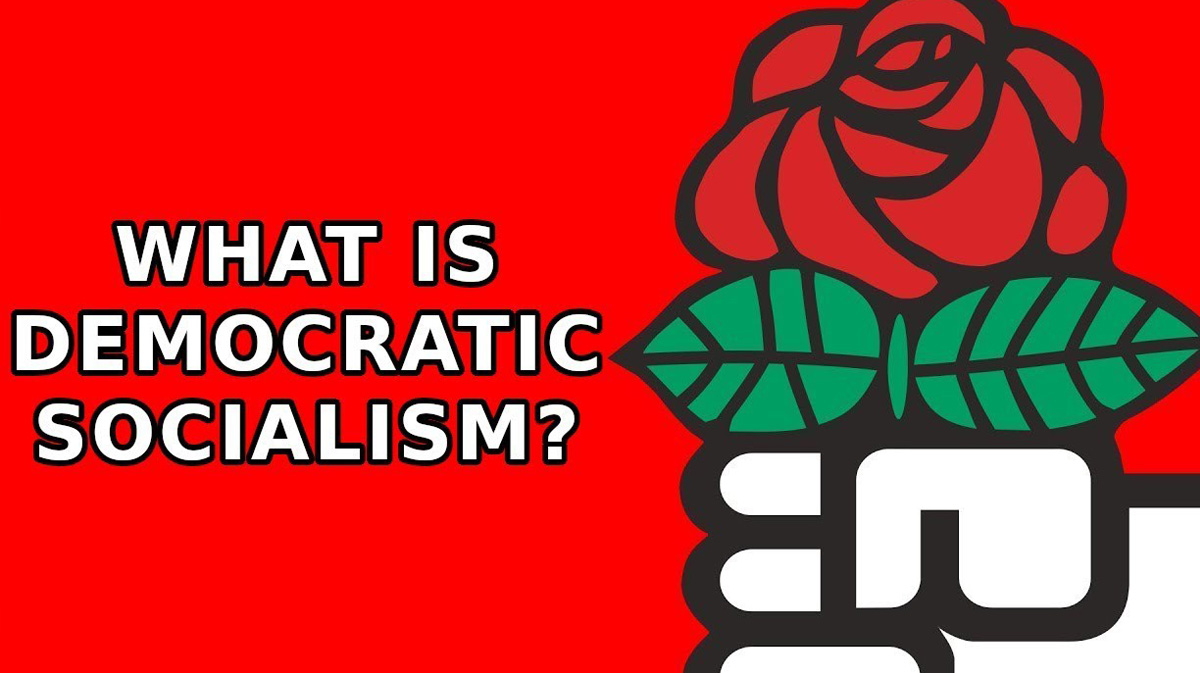
Democratic socialism is a political and economic philosophy that seeks to combine democratic government with policies designed to reduce economic inequality. Supporters believe that essential services such as healthcare, education, housing, and public transportation should be widely accessible and that wealth should be distributed more fairly through democratic processes rather than concentrated among a small number of people.
The roots of democratic socialism can be traced to labor movements and social reform efforts that emerged during the nineteenth and twentieth centuries. Unlike authoritarian forms of socialism, democratic socialism emphasizes free elections, civil liberties, and political participation. Advocates argue that social and economic rights should complement political rights.
Within the Black community, discussions about democratic socialism often center on economic justice. Because African Americans have historically faced discrimination in employment, housing, education, and lending, some supporters view democratic socialist policies as tools for addressing long-standing inequalities.
One area frequently discussed is healthcare. Democratic socialists often support universal healthcare systems that would provide medical coverage regardless of income or employment status. Proponents argue that such policies could help reduce healthcare disparities that disproportionately affect many Black communities.
Education is another major concern. Democratic socialists generally advocate for increased public investment in schools, affordable higher education, and reduced student debt. Supporters believe these measures could expand opportunities for Black students and families seeking economic mobility.
Housing policy also plays an important role in the conversation. Democratic socialists often support affordable housing initiatives, tenant protections, and efforts to reduce homelessness. Advocates argue that these policies could help address housing insecurity, which affects many low-income communities, including some predominantly Black neighborhoods.
Employment and wages are central issues as well. Democratic socialists typically support higher minimum wages, stronger labor unions, paid family leave, and worker protections. Supporters contend that these measures could benefit many Black workers who are employed in sectors with lower wages and fewer benefits.
Some Black political leaders, activists, and scholars have embraced aspects of democratic socialism. Historical figures such as A. Philip Randolph and Bayard Rustin advocated economic policies that shared similarities with democratic socialist ideas, particularly regarding labor rights and economic equality.
At the same time, not all members of the Black community support democratic socialism. Critics argue that expanded government programs can create inefficiencies, increase taxes, or limit economic growth. Others believe that entrepreneurship, business ownership, and market-driven solutions provide more effective paths to prosperity.
Political diversity within the Black community means there is no single viewpoint on democratic socialism. African Americans hold a wide range of perspectives, from conservative and moderate positions to progressive and socialist viewpoints. These differing opinions reflect varied experiences, priorities, and beliefs about the role of government.
In recent years, democratic socialist ideas have gained increased visibility through organizations such as the Democratic Socialists of America and through elected officials who advocate for expanded social programs. These developments have sparked renewed debates about economic inequality, racial justice, and public investment.
The impact of democratic socialism on the Black community remains a subject of ongoing discussion. Supporters see it as a framework for addressing systemic inequities and expanding access to essential resources, while critics question its effectiveness and potential consequences. Regardless of one’s political perspective, the conversation highlights the continuing importance of economic opportunity, social justice, and community empowerment in shaping the future of Black America.