AOC Challenges Women’s Career Choices
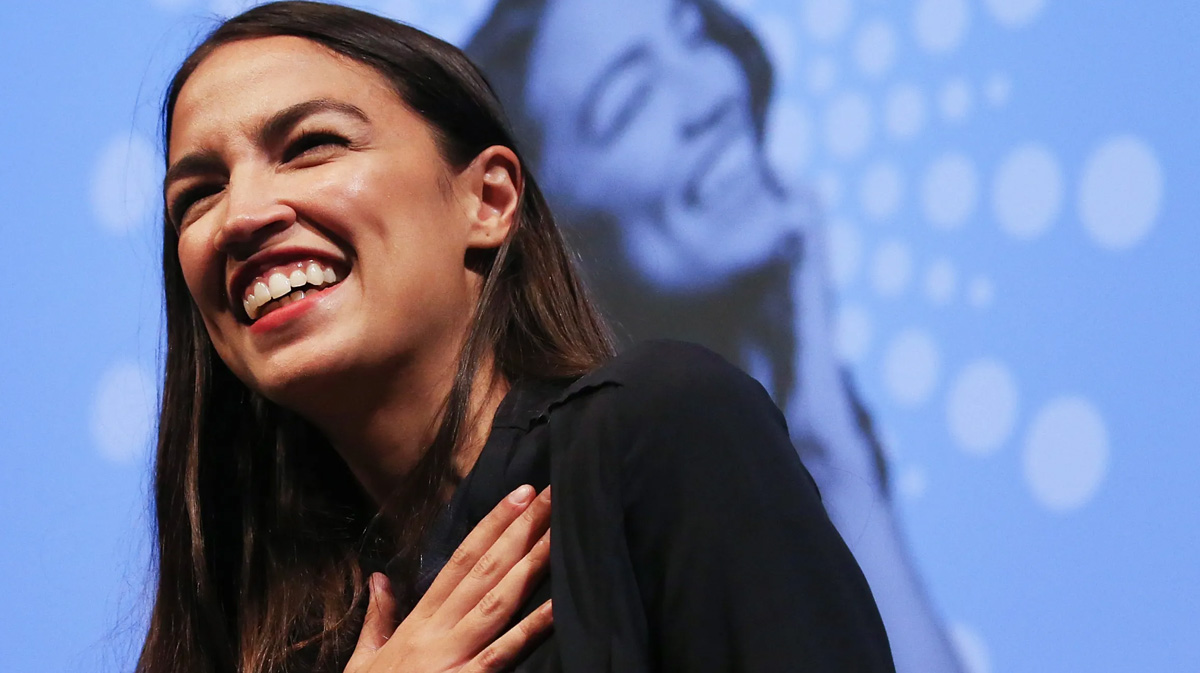
Representative Alexandria Ocasio-Cortez’s decision to freeze her eggs has opened a larger conversation about women, professional ambition, family planning and the expectations placed on women in demanding careers. Her decision reflects a reality faced by many women who want to preserve the possibility of having children while continuing to pursue ambitious professional goals.
Ocasio-Cortez has described the decision as a personal choice that gives her greater control over her future. “This is a choice that I am making to feel more in control of my life,” she said. Her statement captures one of the central issues surrounding egg freezing: women increasingly want the ability to make reproductive decisions according to their own circumstances rather than feeling forced to choose between professional development and the possibility of motherhood.
For women with serious professional responsibilities, timing can be particularly complicated. A member of Congress may spend years building political influence, just as a physician, attorney, executive, journalist, entrepreneur or professor may spend years establishing a career. These professions often demand long hours, travel, intense competition and sustained public attention. Ocasio-Cortez’s decision illustrates how reproductive planning can become part of the larger question of how women manage demanding careers.
Her decision is also significant because she chose to discuss something that many public figures would normally keep private. Ocasio-Cortez has acknowledged that discussing fertility publicly could carry political consequences. Nevertheless, she has said she wanted to help normalize conversations about reproductive health and the realities faced by working women.
She has also criticized the lack of accessible information available to women considering egg freezing. In discussing the subject, she has pointed to the fact that women receive extensive attention and advice during some stages of life while receiving comparatively little practical education about fertility preservation and reproductive choices. “We are not prepared for our own lives,” she said while discussing reproductive health.
The conversation becomes especially complicated when women hold powerful positions. Men in politics are rarely questioned publicly about whether their careers will interfere with having children. Women, however, can face questions about their age, relationships, fertility, appearance and family plans in ways that can become part of public judgments about whether they are capable of leading. Ocasio-Cortez’s experience highlights these double standards.
Her situation also demonstrates that egg freezing is not a simple guarantee of future motherhood. The procedure can preserve eggs for possible future use, but it does not guarantee a successful pregnancy. The process can involve medical appointments, hormone injections, egg retrieval and storage, while the financial cost can also be substantial.
That financial dimension is important for working women across America. The ability to freeze eggs can be influenced by income, insurance coverage, employment benefits and access to fertility specialists. A highly paid professional may have more opportunities to pursue the procedure than a woman working in a lower-paying occupation. Consequently, reproductive choice is also connected to economic inequality.
At the same time, women should not be made to feel that freezing their eggs is necessary simply because they have ambitious careers. Professional success should not require women to postpone motherhood, just as choosing motherhood should not require women to abandon professional ambitions. The larger goal should be creating a society in which women have meaningful choices rather than pressuring them toward one particular life path.
Ocasio-Cortez has also connected her decision to the broader conversation surrounding reproductive health. “I think it’s important for us as leaders to have these conversations and share these processes,” she said. By discussing a personal decision publicly, she is helping bring a subject that is often discussed privately into a much broader public conversation.
Her willingness to discuss the process has generated both support and criticism. Some people view her openness as empowering because it gives women information about a procedure that is often discussed privately. Others question whether egg freezing can unintentionally reinforce the idea that women should adapt their bodies to workplaces and professional systems rather than demanding workplaces that accommodate family life. Both perspectives are worth considering.
Ultimately, Ocasio-Cortez’s decision is about more than one politician freezing her eggs. It is part of a larger conversation about how modern women navigate ambition, relationships, reproductive health and time. Her experience demonstrates that women in demanding professions often have to make deeply personal decisions while simultaneously meeting extraordinary professional expectations. Whether a woman chooses motherhood early, later, or not at all, the decision should belong to her. Ocasio-Cortez’s message is essentially that women should have more information, more choices and greater control over their own futures.