Sullivan Fortner’s Musical Journey Continues
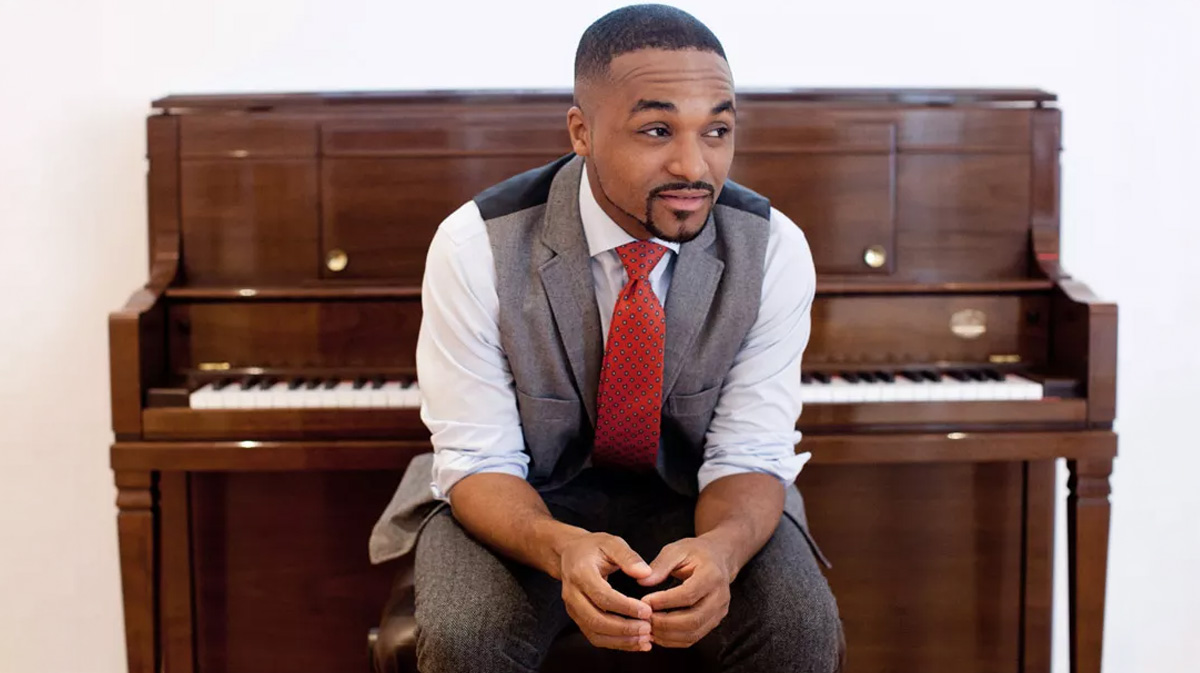
Sullivan Fortner has established himself as one of the most compelling pianists in contemporary jazz. His playing combines the discipline of classical music, the expressive power of gospel and the rhythmic traditions of New Orleans. Rather than treating jazz as a museum piece, Fortner approaches the music as something constantly evolving, allowing his performances to move freely between tradition and experimentation.
Born and raised in New Orleans, Fortner grew up surrounded by a musical culture that has influenced generations of artists. The sounds of the city became an important part of his musical foundation, from jazz and gospel to the rhythms and traditions that make New Orleans unlike any other American city. Those influences continue to appear in his work, even as his music reaches into new territory.
Fortner’s latest album, Leave That In There, represents another important chapter in his career. The project gives him an opportunity to explore personal memories, cultural history and musical ideas through a collection of original performances. Instead of relying on a single sound, Fortner allows the album to develop through different rhythms, textures and instrumental combinations.
The recording also demonstrates Fortner’s willingness to experiment with the traditional piano-trio format. Working with bassist Tyrone Allen II and drummer Kayvon Gordon, he creates a musical conversation in which the three musicians can respond to one another. Additional sounds, including synthesizers, marimba and percussion, expand the palette and give the recording a contemporary character.
New Orleans remains an important presence throughout Fortner’s artistic vision. The city is not simply the place where he was born; it is part of the way he hears rhythm, harmony and musical interaction. His connection to New Orleans gives his work a sense of history while also encouraging him to search for new ways of expressing that heritage.
The album also touches on experiences connected to Hurricane Katrina. Fortner was away at college when the storm devastated his hometown in 2005, but the disaster profoundly affected his family and community. The passage of time has allowed him to look back on that period from a different perspective, transforming difficult memories into material that can be explored through music.
The title Leave That In There reflects Fortner’s philosophy about accepting the different experiences that have shaped him. Instead of removing uncomfortable, unexpected or complicated elements from his artistic identity, he embraces them. That approach is reflected in the album’s willingness to move between different musical ideas without forcing everything into a single category.
Fortner’s background also includes important relationships with some of the leading figures in modern jazz. His work with musicians such as Roy Hargrove and Cécile McLorin Salvant exposed him to different approaches to improvisation, interpretation and collaboration. These experiences helped him develop into an artist who is comfortable both supporting other musicians and taking the lead.
What makes Fortner particularly interesting is his ability to respect jazz history without becoming trapped by it. His performances can contain familiar elements while still sounding fresh and unpredictable. He understands that improvisation is not simply about playing something complicated; it is about listening, responding and creating something that exists only in that particular musical moment.
With Leave That In There, Sullivan Fortner continues to demonstrate why he has become an important voice in today’s jazz. The album brings together his New Orleans roots, personal experiences, technical ability and desire to experiment. More importantly, it shows an artist willing to let every part of his story remain in the music. For Fortner, the past does not have to compete with the future—it can become the foundation for creating something entirely new.