Haitian Communities Face Uncertain Future
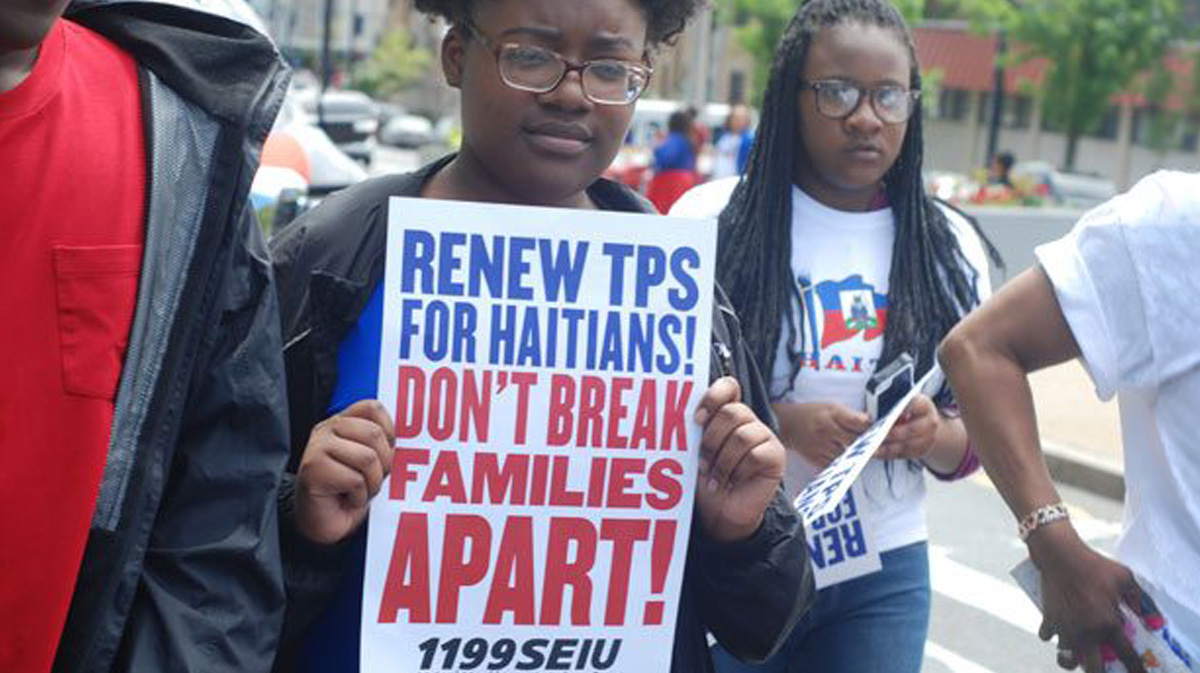
The ending of Temporary Protected Status, or TPS, for Haitians in the United States represents a major turning point for Haitian communities across the country. The federal government officially terminated Haiti’s TPS designation effective July 27, 2026, following a legal battle that reached the Supreme Court. The decision affects hundreds of thousands of Haitians who had relied on TPS to live and work legally in the United States.
The consequences extend far beyond the individual people who held TPS. Haitian families have established homes, careers, businesses, churches, friendships, and community institutions throughout the United States. Many TPS holders have lived in this country for years, and some have children who were born here. The loss of protection therefore creates uncertainty for entire families rather than simply changing the immigration status of individual workers.
Employment will be one of the most immediate concerns. TPS provided eligible Haitians with authorization to work legally in the United States. With the termination of the program, people who do not have another legal basis to remain and work may lose their jobs or become vulnerable to immigration enforcement. Recent reports already describe Haitian workers being removed from positions in health care, hospitality, restaurants, construction, and other industries.
The impact on health care could be particularly significant. Thousands of Haitian immigrants work as home-health aides, caregivers, nursing assistants, and other essential workers. Their absence can affect elderly, disabled, and medically vulnerable Americans who depend upon consistent caregivers. In New York and Florida, organizations have already reported losing Haitian employees and struggling to replace them.
South Florida may experience some of the most visible economic consequences because it has one of the nation’s largest Haitian populations. Haitian workers are deeply connected to the region’s health-care, hospitality, tourism, construction, and service industries. Businesses that have depended on experienced Haitian employees may face labor shortages, increased costs, and difficulty maintaining services if large numbers of workers can no longer legally remain employed.
The emotional impact on Haitian families may be equally profound. Families that have spent years building stable lives can suddenly face the possibility of separation. Some households include U.S.-born children, spouses with different immigration statuses, or relatives who depend financially on TPS holders. The fear of detention or deportation can also discourage people from going to work, attending church, seeking assistance, or participating normally in community life.
Haitian churches and community organizations are likely to become even more important. Churches have traditionally served Haitian immigrants as places of worship, cultural preservation, social support, and information. Community organizations may increasingly help families understand their legal options, locate immigration attorneys, find emergency assistance, and prepare for possible changes in employment or family circumstances. In some communities, churches may also become places where people seek emotional support during an extremely stressful period.
The termination could also affect Haitian-owned businesses. Workers who lose employment or become uncertain about their future may reduce spending, postpone major purchases, or send less money to relatives in Haiti. Small businesses that depend heavily on Haitian customers could consequently feel the economic effects. At the same time, Haitian entrepreneurs may face difficult decisions about whether to expand, hire employees, or invest in businesses when immigration uncertainty is affecting the communities they serve.
Remittances are another important consideration. Haitian immigrants in the United States send money to relatives and communities in Haiti, helping families pay for food, housing, education, medical care, and other necessities. If TPS holders lose jobs or are forced to leave the United States, the amount of money flowing back to Haiti could decline. That could create additional economic pressure in a country already facing severe political, humanitarian, and security challenges.
The possibility of deportation also raises questions about whether Haiti can safely receive large numbers of returning people. The United States originally designated Haiti for TPS because of extraordinary conditions that made returning people unsafe or impractical. Although the federal government has determined that TPS should end, Haitian advocates continue to argue that serious instability and violence remain in Haiti. The disagreement over Haiti’s conditions is therefore central to the continuing debate surrounding the policy.
The end of TPS may also change the political consciousness of Haitian Americans. Immigration policy has long been an important issue within Haitian communities, but the loss of TPS could intensify political participation, voter registration, advocacy, fundraising, and organizing. Haitian Americans may increasingly demand that elected officials address immigration reform, family unity, economic security, and the future of people who have established deep roots in American society.
Ultimately, the end of Haitian TPS is about much more than immigration paperwork. It is about families, jobs, churches, businesses, neighborhoods, and the future of a community that has become an important part of American society. The coming years will determine how many Haitians find alternative legal pathways, how many are forced to leave, and how communities respond to the disruption. Whatever happens next, the effects of ending TPS will be felt not only by Haitian immigrants but also by the American communities, employers, institutions, and families whose lives have become intertwined with theirs.