The Soulful Genius of Mulgrew Miller
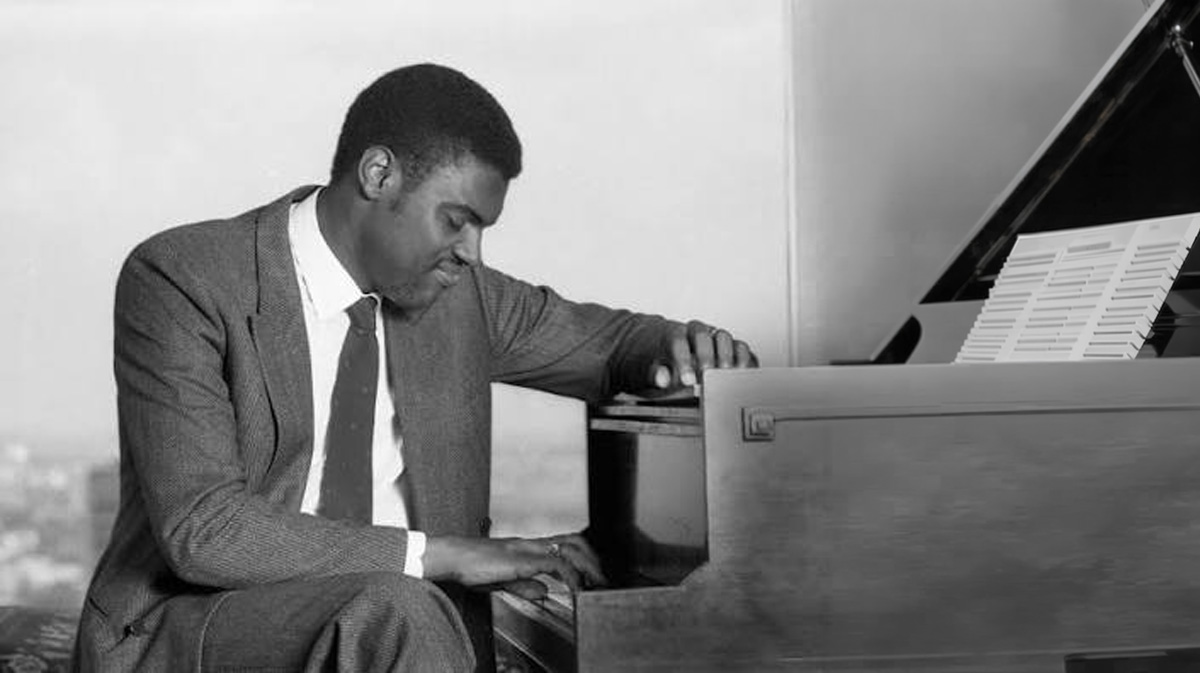
Mulgrew Miller was one of the most respected jazz pianists and composers of his generation, a musician whose playing combined technical brilliance, rhythmic energy, gospel feeling, and remarkable melodic sophistication. Born August 13, 1955, in Greenwood, Mississippi, Miller developed a musical voice that reflected both his Southern roots and his deep understanding of the jazz tradition. He died on May 29, 2013, at age 57, leaving behind an extraordinary body of work.
Music was part of Miller’s life from childhood. His father purchased a piano when Mulgrew was six, and the young musician began picking out melodies by ear. By age eight, he was taking formal piano lessons, and he also learned hymns and played in church. Gospel music became an important part of his musical foundation, giving his playing a soulful quality that remained evident throughout his career.
At 14, Miller experienced a moment that changed the direction of his life. He saw Oscar Peterson perform on television and was captivated by the pianist’s extraordinary technique and musical freedom. Peterson became an important influence, joining other musicians—including McCoy Tyner, Bud Powell, Ramsey Lewis, and Phineas Newborn Jr.—in shaping Miller’s developing musical vocabulary.
Miller attended Memphis State University, now the University of Memphis, on a music scholarship. While there, he studied with pianists James Williams and Donald Brown, musicians who would themselves become important figures in jazz. He also spent time listening to the great Memphis pianist Phineas Newborn Jr., further deepening his appreciation for the language and history of jazz.
His professional career accelerated in the 1970s when he joined the Mercer Ellington Orchestra. Working with Duke Ellington’s son gave Miller an opportunity to perform the music of one of America’s greatest composers while establishing himself in New York’s competitive jazz community. His time with the orchestra helped prepare him for the demanding musical partnerships that followed.
Miller subsequently worked with vocalist Betty Carter, whose highly interactive approach to jazz demanded extraordinary concentration and responsiveness. He then became part of trumpeter Woody Shaw’s group, an association that pushed Miller toward greater harmonic freedom and improvisational exploration. Shaw recognized Miller’s potential early, and their musical relationship became an important chapter in the pianist’s development.
In the 1980s, Miller joined Art Blakey’s legendary Jazz Messengers. The group was renowned as a proving ground for young jazz musicians, and Miller’s tenure with Blakey helped establish him as one of the leading pianists of his generation. During this period, he also recorded and performed with musicians including Terence Blanchard, Branford Marsalis, Bobby Watson, and Bobby Hutcherson.
Miller’s association with drummer Tony Williams was equally significant. He became part of Williams’ quintet in 1986 and remained associated with the group for approximately six years. Throughout his career, Miller was in extraordinary demand as a sideman, appearing on hundreds of recordings and working with some of the most influential musicians in modern jazz.
At the same time, Miller established himself as a compelling bandleader. His 1985 recording Keys to the City marked his debut as a leader, beginning a recording career that would include more than 15 albums under his own name. His groups showcased his ability to balance the traditions of hard bop with his own sophisticated compositions and distinctive harmonic approach.
Miller was also deeply committed to education. In 2005, he became director of Jazz Studies at William Paterson University in Wayne, New Jersey, where he shared his knowledge and experience with a new generation of musicians. The university recognized that his presence brought an extraordinary combination of performance experience, musical scholarship, and mentorship to its jazz program.
Perhaps the most remarkable quality of Miller’s playing was its balance. He could be technically dazzling without allowing technique to overshadow feeling. His music carried traces of gospel, blues, hard bop, and modern jazz, yet he never sounded like a copy of his influences. Instead, he absorbed those traditions and transformed them into a personal musical language marked by elegance, rhythmic authority, harmonic depth, and emotional warmth.
Mulgrew Miller’s legacy extends far beyond his recordings. He was a musician’s musician, a teacher, composer, bandleader, and mentor whose influence continues through the artists who heard him, studied with him, performed beside him, and were inspired by his example. From a piano in Greenwood, Mississippi, to the world’s great jazz stages and the classrooms of William Paterson University, Miller demonstrated that mastery of tradition and individual expression could exist together. His music remains a powerful reminder that great jazz is not simply about playing notes—it is about telling the truth through sound.