Monkey Jar: Africa’s Barbadian Legacy
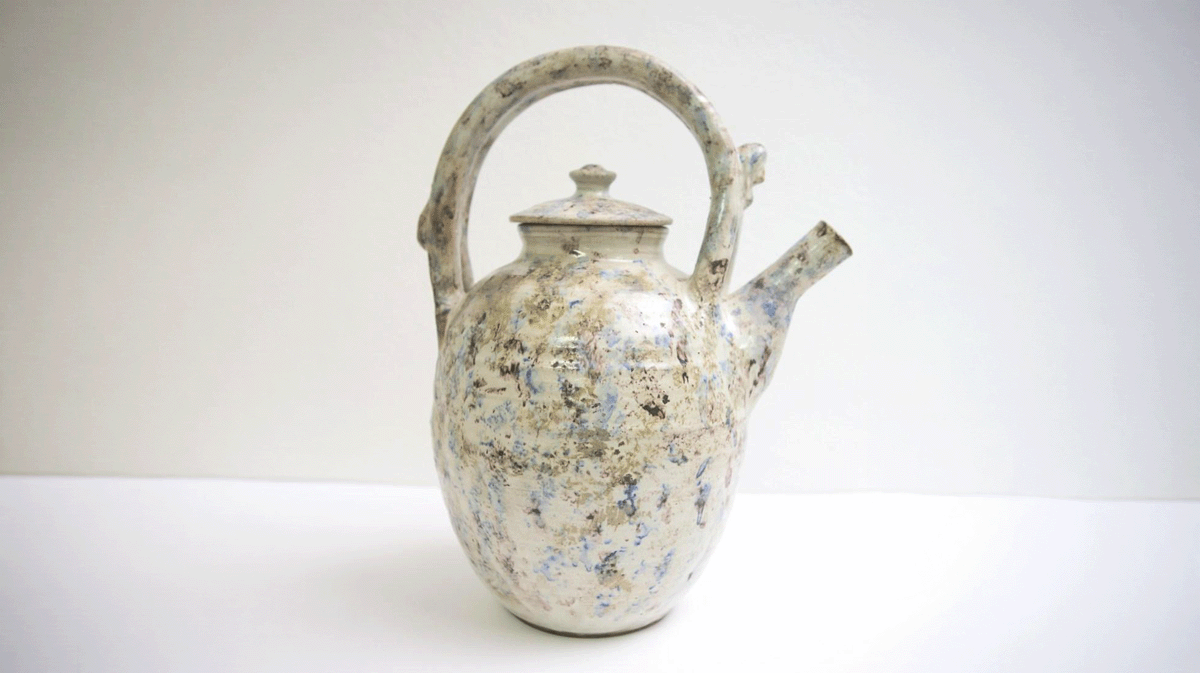
The Barbadian monkey jar is one of the most fascinating examples of how African cultural knowledge survived and evolved in the Caribbean. Traditionally made from clay, the vessel was used primarily to store and cool drinking water. Although it served a practical purpose, the monkey jar represents something much larger: a connection between Barbados and Africa and a reminder of the cultural knowledge carried by Africans who were brought to the Caribbean during slavery.
The history of the monkey jar is closely connected to Barbados’s African population. Enslaved Africans came to the island from different parts of West and Central Africa, bringing with them knowledge of agriculture, cooking, music, metalworking, pottery, and other crafts. European colonial society attempted to control nearly every aspect of their lives, but many African traditions survived through everyday skills and objects. Pottery became one of the ways that African knowledge continued from one generation to another.
The monkey jar’s design has similarities to pottery vessels found in Africa, particularly in its shape and function. The Barbados Museum and Historical Society has recognized these similarities as evidence that pottery-making skills and design traditions were passed down by enslaved Africans. The vessel therefore represents an important example of African technological knowledge being adapted to life in the Caribbean.
One of the monkey jar’s most remarkable qualities is its ability to keep water cool without electricity. The jar is made from porous, unglazed clay. Small amounts of water move through the clay and evaporate from the outside surface. This evaporation naturally lowers the temperature of the remaining water inside. In the hot Barbadian climate, this simple technology was extremely useful.
The name “monkey jar” is believed to have been connected to its distinctive shape. The rounded body and projecting spout can resemble the crouched form of a monkey. The vessel became a familiar part of Barbadian household life and was used by people from different economic backgrounds. Its usefulness meant that it was not simply a decorative object but an important household tool.
Pottery production became particularly associated with African Barbadian communities and eventually with Chalky Mount, a famous pottery village in Barbados. Generations of potters developed and preserved their craft there. The production of monkey jars, along with other vessels such as cornarees and goglets, became part of a broader Barbadian pottery tradition rooted in both African knowledge and the circumstances of colonial Barbados.
The monkey jar also demonstrates how African traditions could survive despite the enormous disruption caused by slavery. Enslaved Africans were separated from their families, communities, and homelands, yet they continued to recreate aspects of their cultural heritage. Sometimes that heritage survived through religion or music; in other cases, it survived through objects as ordinary as a water container.
Women also played an important role in the broader pottery economy of Barbados. Historical accounts describe women carrying pottery to markets and selling it to households throughout the island. This demonstrates that pottery was not merely a craft practiced in isolation. It became part of a local economic system and provided African Barbadian families with an opportunity to participate in commerce.
Today, the monkey jar is recognized as an important part of Barbadian cultural heritage. Modern refrigeration and manufactured containers have greatly reduced the need for traditional water coolers, but the monkey jar remains significant because of what it represents. It is a tangible reminder of African creativity, craftsmanship, adaptation, and survival.
Ultimately, the Barbadian monkey jar is much more than a clay vessel. It is a small object carrying centuries of history. Its connection to African pottery traditions demonstrates how people who were forcibly removed from their homeland were nevertheless able to preserve knowledge and transform it into something uniquely Caribbean. The monkey jar stands as a powerful symbol of the African contribution to Barbados and of the resilience of a people whose cultural creativity survived generations of oppression.